


The first day of the Spain Real Estate Summit placed the property sector within a landscape marked by geopolitical fragmentation, the emergence of artificial intelligence, the return of investment fundamentals and the need to review how value is generated in assets. The event, organised by Iberian Property in Madrid, brought together institutional representatives, investors and industry executives to analyse how the market is being reshaped against a backdrop of greater uncertainty, new operational demands and growing interest from international capital in Spain.
Geopolitics, deglobalisation and European autonomy
The first session of the event placed the analysis of the property market within a broader context: that of a less globalised, more fragmented world marked by heightened geopolitical tensions. Josep Borrell, former EU High Representative for Foreign Affairs and Security Policy and Vice-President of the European Commission (2019–2024), argued that global trade is not in decline, but has ceased to grow at the pace seen in recent decades, marking a phase of stabilisation in globalisation.
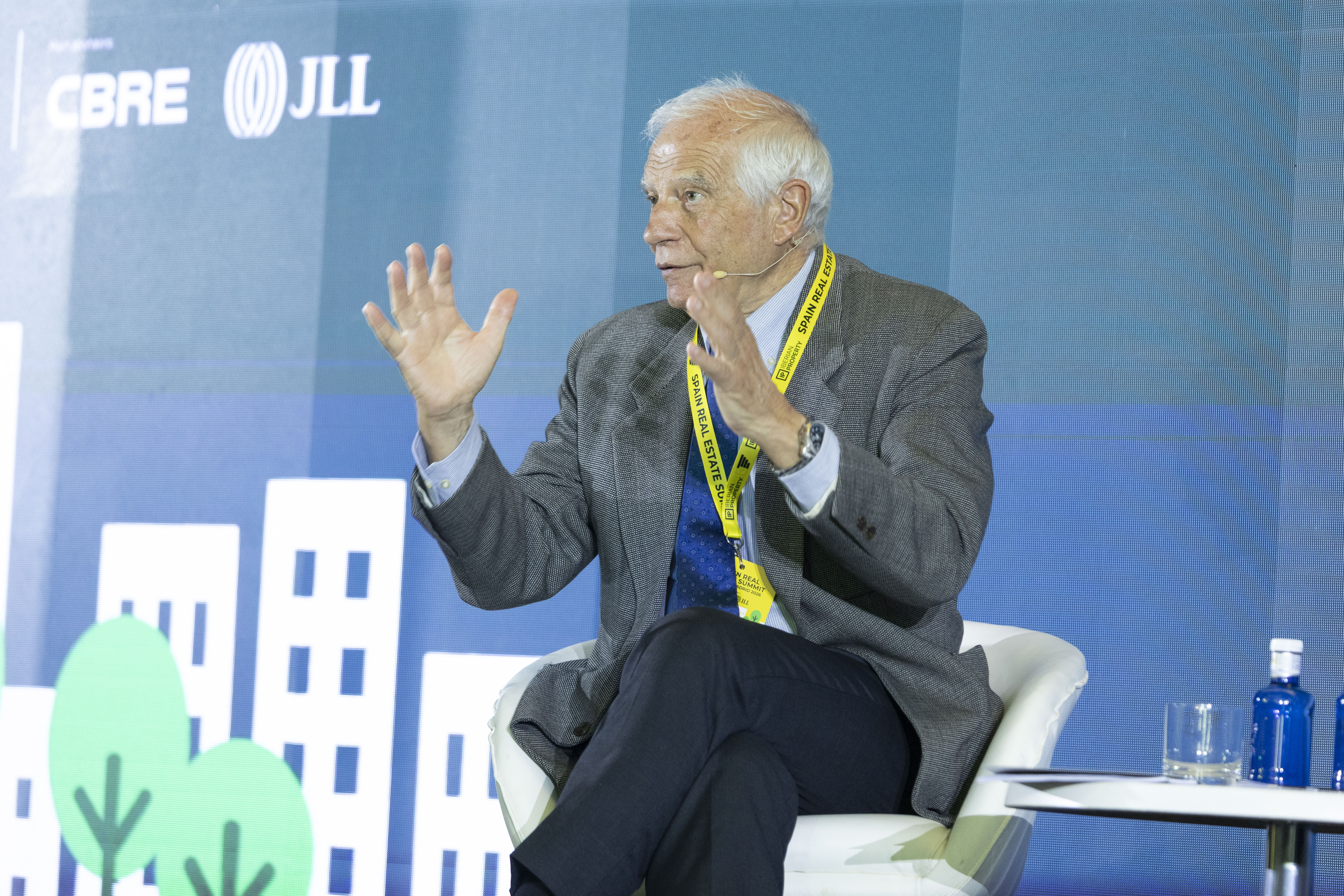
In his speech, introduced by Adolfo Ramírez-Escudero, Chairman of CBRE Iberia & Latam, Josep Borrell identified China as “the elephant in the room”. The Asian country, he explained, no longer occupies a central position solely in the mass production of goods, but has also gained influence in technological innovation. In this new balance, China has established itself as an industrial hub, accounting for around 30% of the world’s industrial goods, while the United States maintains its position as the main financial hub, holding nearly 60% of financial assets.
Josep Borrell linked this transformation to a deterioration in the international context. After decades in which Europe had taken peace for granted as the natural state of the world, he warned that this perception has changed and that respect for international law is at one of its weakest points.
In conversation with Adolfo Ramírez-Escudero, Josep Borrell argued that the European Union is not yet fully adapted to the new international landscape. In his view, Europe must accept that today’s world no longer fits the framework of the second half of the 20th century and prepare for a more unstable environment. This adaptation, he believes, requires developing greater military capabilities of its own and reducing its historical dependence on the United States in matters of security.
The former EU High Representative also linked strategic autonomy to productive and technological capacity. Europe, he noted, has for years benefited from the influx of low-cost Chinese goods, which has helped to keep inflation in check, but this dependence has also had consequences for its industrial base. As an example, he pointed out that the continent now produces 10% fewer cars than it did a decade ago.
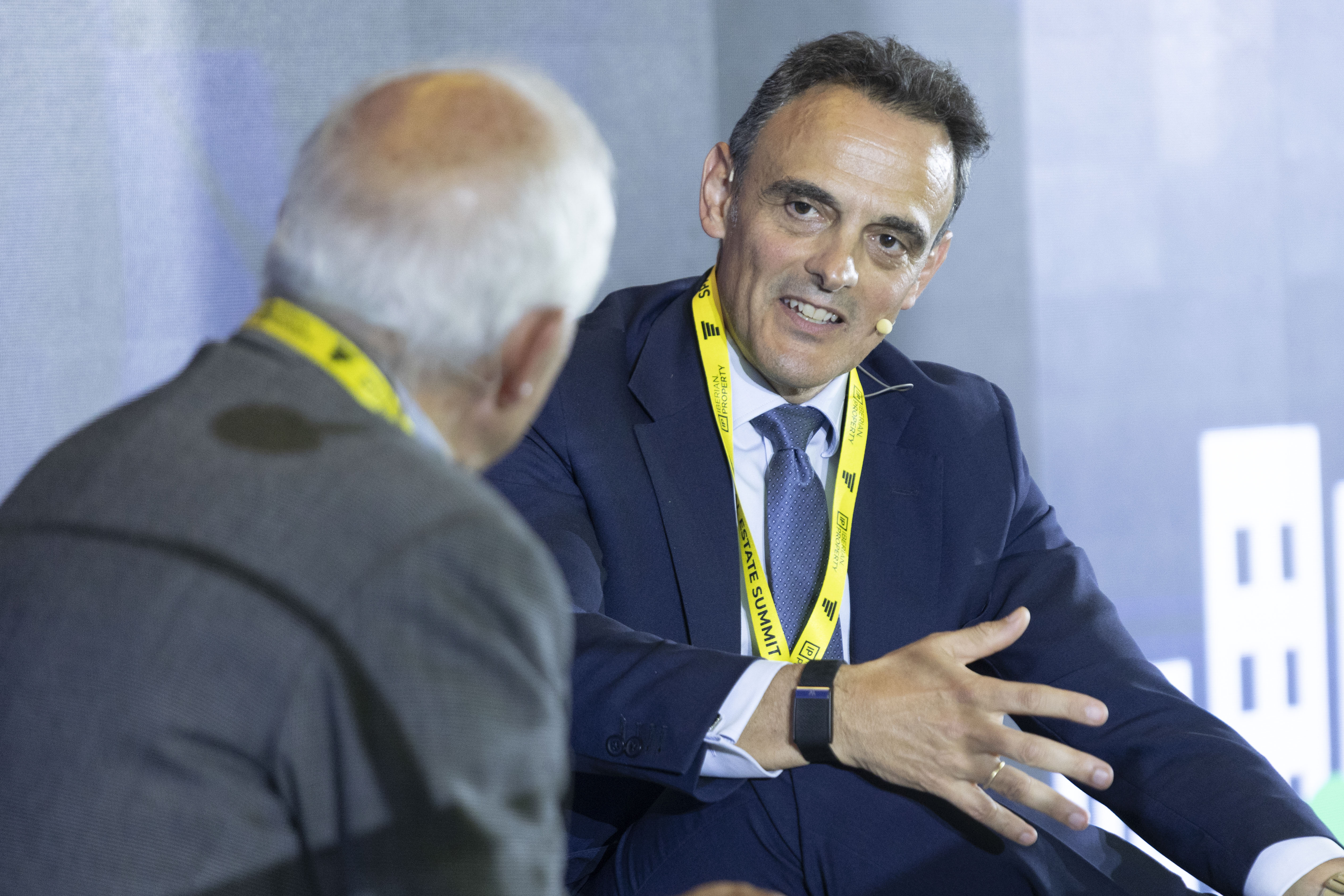
In the same vein, he argued for the need to rethink the ‘just in time’ approach and move towards a ‘just in case’ approach. For Josep Borrell, Europe must rebuild its storage capacity and ensure the supply of strategic goods in the face of potential external shocks, as the pandemic has shown.
Technological dependence was another key theme of his speech. Josep Borrell pointed out that the United States maintains a dominant position in terms of access to information, data, military capabilities, satellites and digital infrastructure, a reality that constrains European autonomy. He also identified China as a key player in the energy transition, due to its control over minerals and components essential for the production of technologies such as solar cells.
The session concluded with a call to restore growth in the European Union and to approach the defence of European sovereignty from a broader perspective, encompassing security, industry, energy, technology and economic capacity.
AI as a solution to the cost of waiting
The session on technology and artificial intelligence was opened by Alexandre Lima, Director of Iberian Property, and addressed the impact of AI on decision-making, productivity and business competitiveness. Magnus Lindkvist, trendspotting futurologist and author of How to Make AI Useful, argued that the current technological leap should not be understood merely as an improvement in the tools available, but as a change of scale in organisations’ ability to access, process and utilise knowledge.
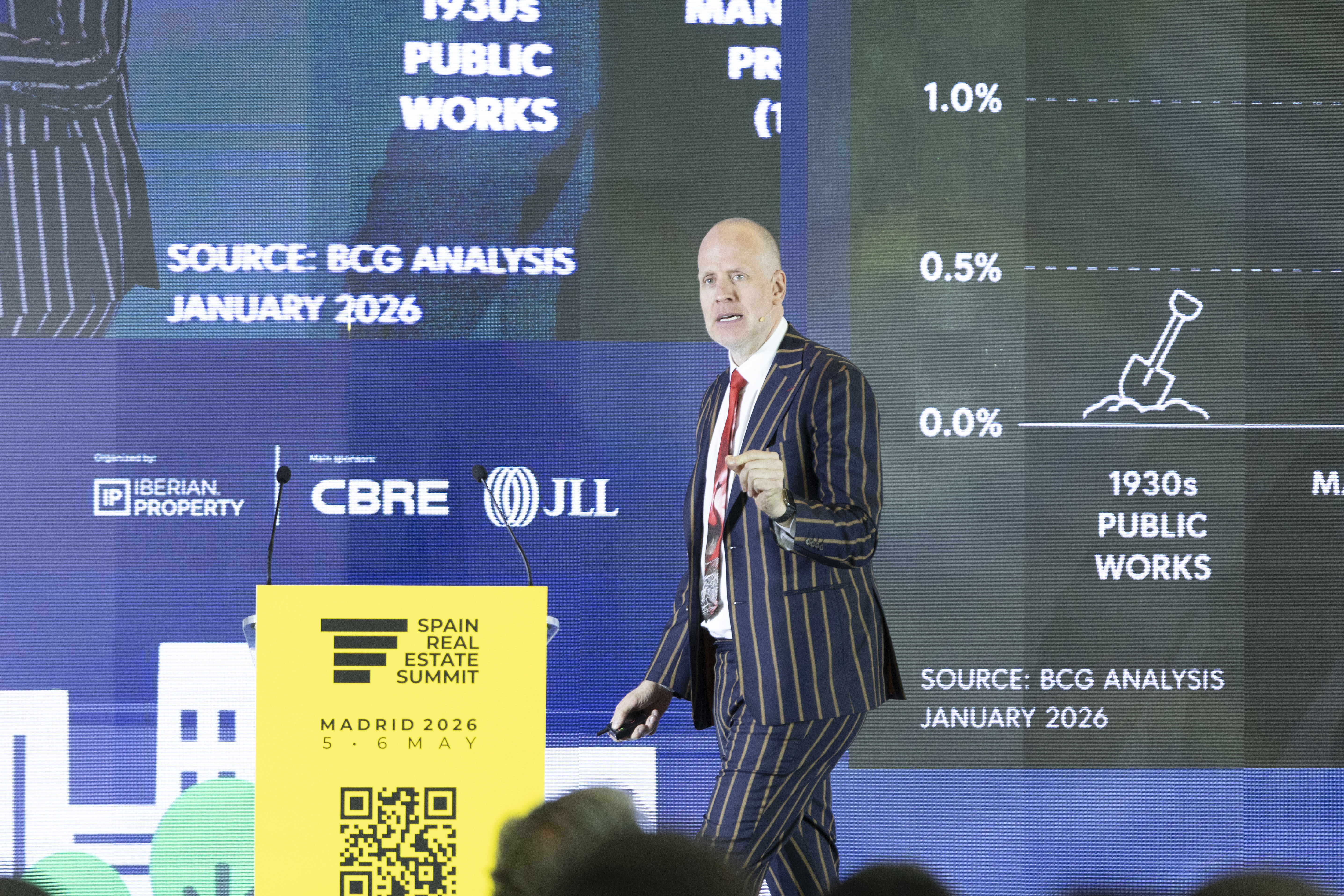
Magnus Lindkvist noted that, in an increasingly technological world, “the cost of doing is falling, but the cost of waiting is rising”. From this perspective, he warned against business strategies based solely on a “wait and see” approach, as delaying the adoption of new tools can lead to a loss of competitiveness.
The expert also linked the advancement of AI to demographic change. In the major economies, falling birth rates and rising life expectancy are putting pressure on the availability of the working population and pension systems. In this context, he positioned artificial intelligence as a tool for sustaining productivity, although he qualified this by saying that neither technology nor immigration, on their own, can fully resolve the challenge.
In contrast to a defensive view of technology, Magnus Lindkvist called for an open-minded approach to the possibilities of AI. In his view, the issue is not merely about competing with it, but about using it to create. He also pointed out that it is not always the first players to enter the market who establish the strongest position, but those who learn from initial mistakes and build on previous developments.
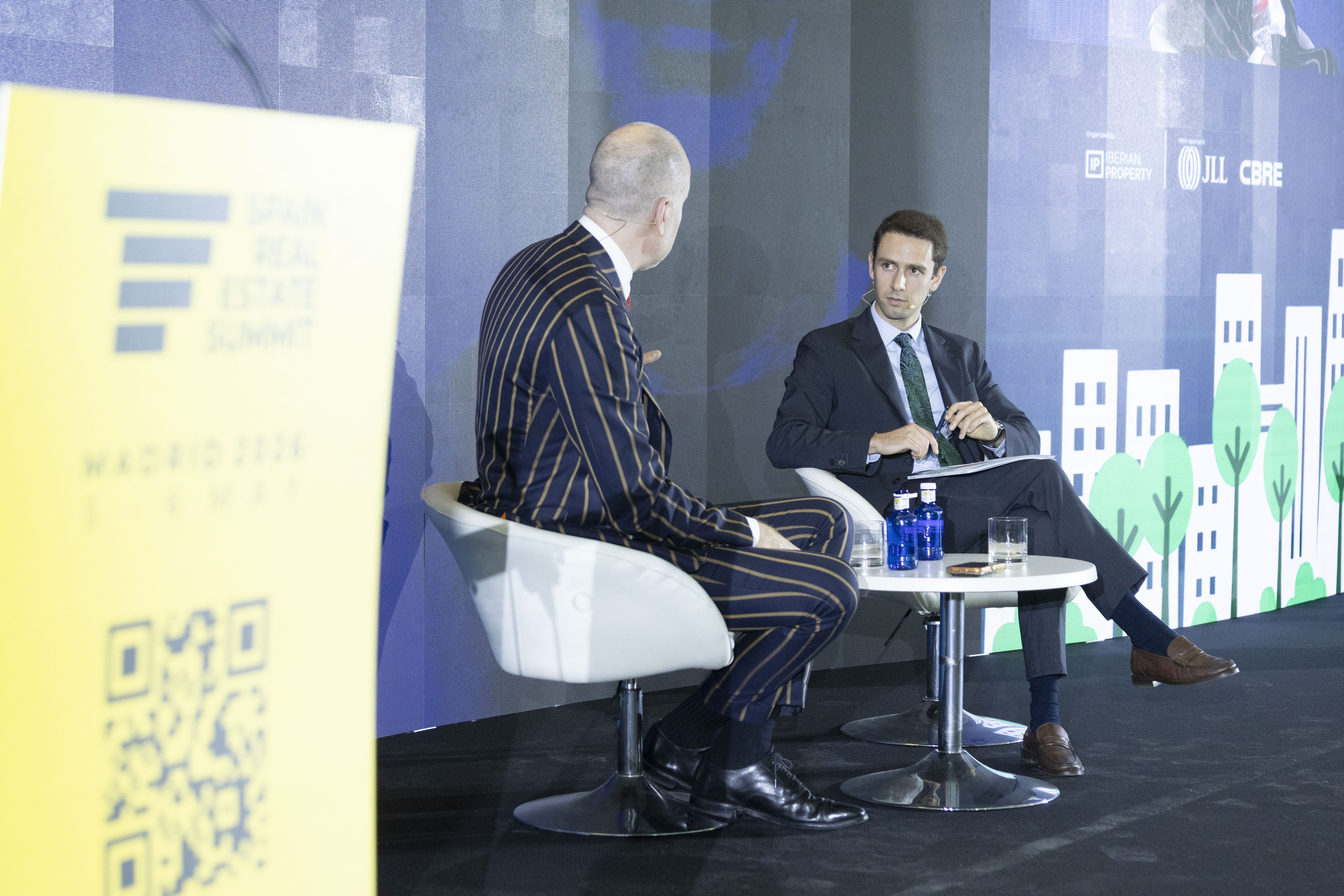
The session concluded with a reference to Moravec’s paradox, which helps explain why some tasks that are complex for humans can be simple for a machine, while others that appear simple – particularly those requiring manual skills or physical adaptation to the environment – remain difficult to automate. In the property sector, this idea introduces an important nuance: AI does not eliminate the human dimension of the business, but it does force us to review which processes, decisions and tasks can be transformed.
Spain gains ground in the new investment cycle
The panel discussion on the economy and the new investment landscape, opened by Enrique Losantos, CEO of JLL in Spain, presented a positive outlook on the Spanish property market, albeit with variations depending on sector, strategy and risk profile. Cristina García-Peri, Senior Partner at Azora; Vanessa Gelado, Senior Managing Director and Head of Southern Europe at Hines; and Kevin Cahill, Partner and Head of European Diversified Investments at Ares RE, agreed that the price adjustment has brought fundamentals back to the fore.
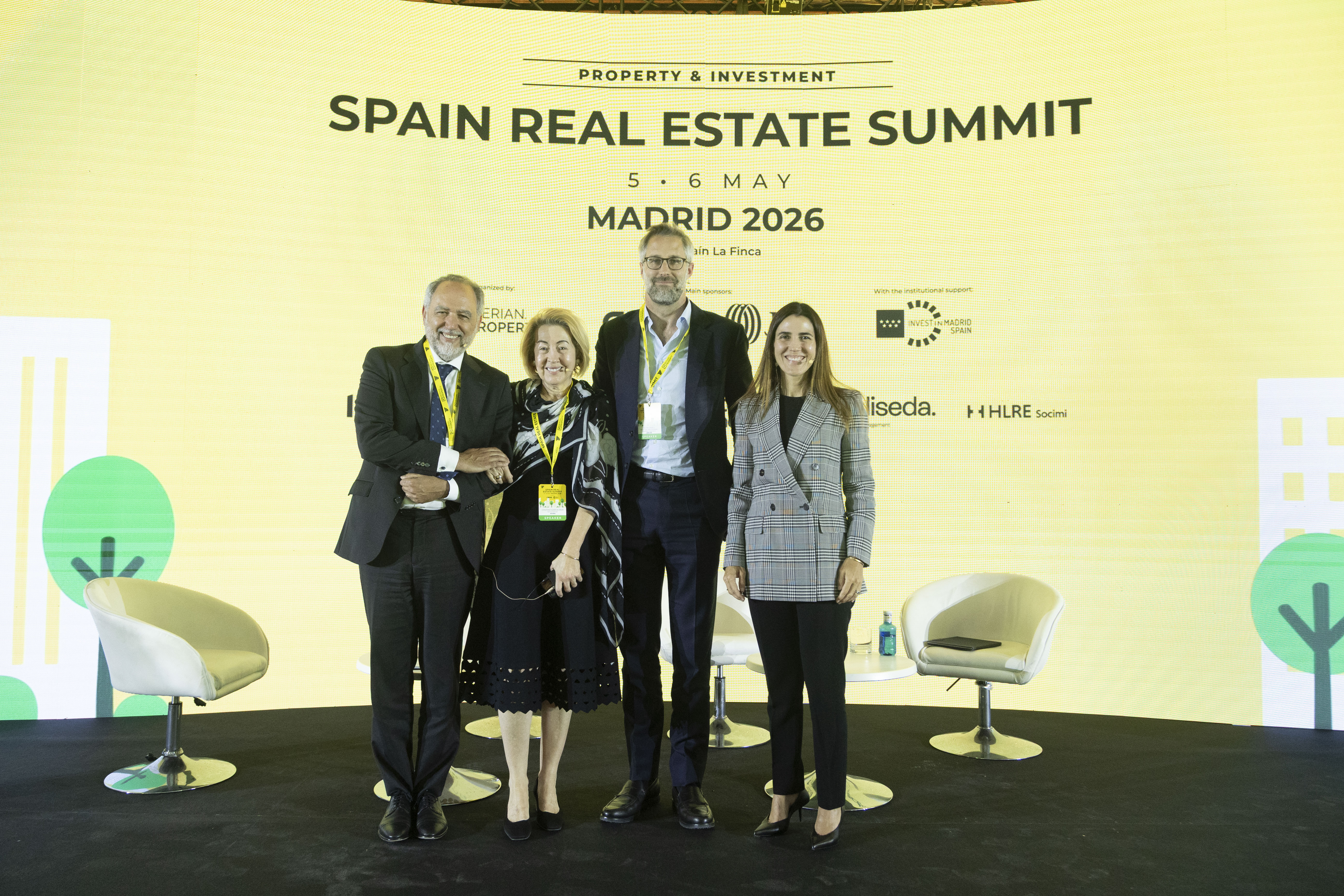
Cristina García-Peri noted that the period of negative interest rates was detrimental to the property sector, as many investment decisions were based on the low cost of capital. In her view, the new cycle allows assets to be re-evaluated on the basis of their fundamentals rather than the abundance of cheap financing. “We are at the start of another major cycle for the property market,” she stated, though she ruled out the possibility that Spain is currently in a state of distress.
Speaking on behalf of Hines, Vanessa Gelado emphasised that experience in recent years has demonstrated the importance of diversification, both across sectors and across investment vehicles. Whereas the company had previously focused more on offices and retail, she explained that it now analyses a broader range of segments and structures, from core funds to strategies with greater risk exposure, with the aim of balancing the portfolio and better managing the various market cycles.
Kevin Cahill identified Spain as one of the European markets with the most favourable outlook for international capital. As he explained, the country has a lower deficit than other European economies, is maintaining growth and offers a greater diversity of opportunities. In his view, Spain is no longer a cheap market nor is it likely to become distressed, as may be the case in other European countries, but it remains attractive due to its dynamism and the breadth of possible strategies.
As for the type of opportunities, Cristina García-Peri argued that value-add in Spain should not be understood as investment in undervalued assets, but rather in underutilised markets and segments where economic growth is generating new needs, as is the case with student housing. In her analysis, alpha in Spain is being driven by fundamentals, although she cautioned that not all investors will achieve the same returns: it will be necessary to analyse each opportunity sector by sector and region by region.
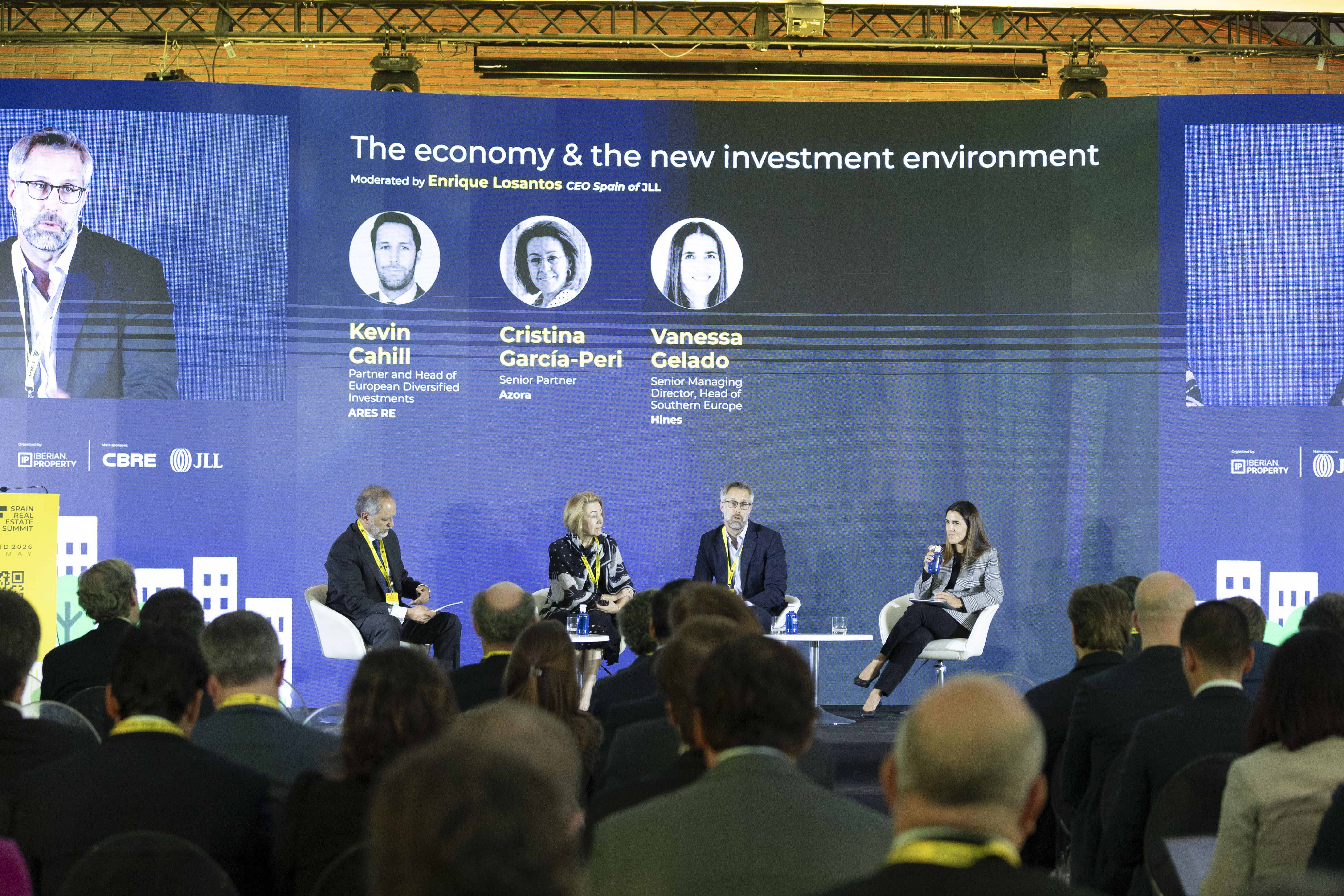
Opinions differed among the speakers regarding sector selection. Cristina García-Peri identified ‘rent-to-sell’, holiday hotels, retail and logistics as among the most attractive opportunities, although she noted that the latter segment faces greater competition at European level. Regarding offices, she highlighted a need for greater caution due to the uncertainty surrounding remote working and the future impact of AI on companies’ space requirements.
Kevin Cahill highlighted the appeal of holiday hotels and BTR properties, given their potential for repositioning, and also pointed to opportunities in prime offices, retail parks and logistics. In the case of retail parks, he noted occupancy levels close to 100% in the assets in which they have invested, reflecting a lack of supply. VanessaGelado, for her part, identified retail as the main focus in Spain, followed by BTR and Grade A offices in Madrid’s CBD.
The panel concluded with a positive outlook on southern Europe and, in particular, on Spain. Cristina García-Peri highlighted that investors have stopped viewing these markets solely through the lens of their smaller size and are beginning to assess them based on the performance of their economies. Kevin Cahill described Spain as one of the most favourable markets for investors in Europe, while Vanessa Gelado argued for the need to make decisions even in turbulent environments, particularly in a context where inflation erodes the value of assets if capital remains idle.
Rethinking property value beyond price
The final session of the day, moderated by Richard Betts, Conference Chairman and Co-founder and Head of Content at Real Asset Media, prompted a discussion on how property value is being redefined against a backdrop of increased competition between asset classes, reduced macroeconomic visibility and growing demands on management.
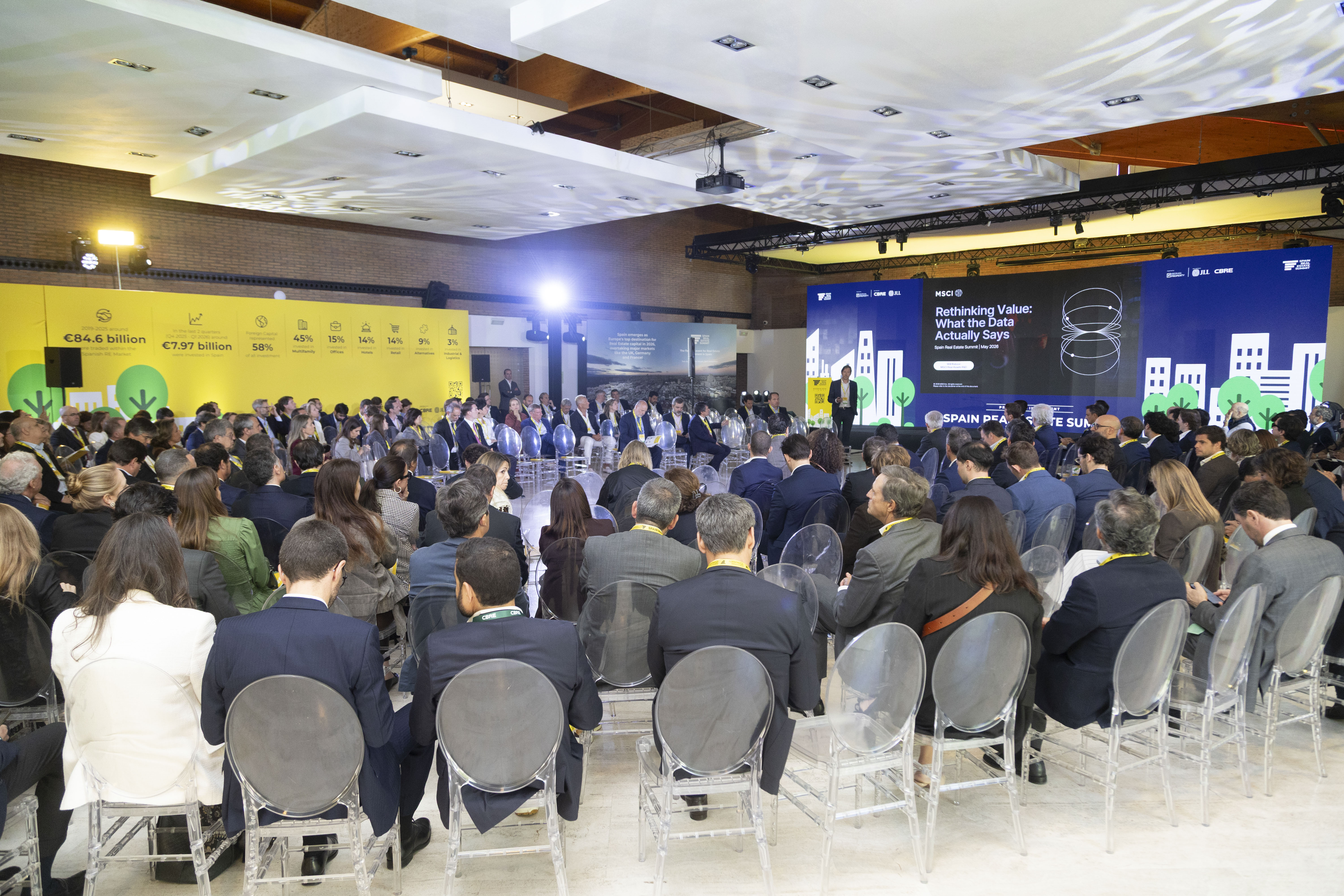
Will Robson, Executive Director of MSCI Research & Development, noted that, in the long term, rental growth is the main driver of real estate investment appreciation. Although capital value also plays a role, he pointed out that it tends to fluctuate more over time, while income plays a more structural role in value creation. In this context, he identified Spain as one of the leading markets in Europe, both in terms of returns and transaction activity.
Brad Greenway, Head of APAC and Co-Head of EMEA Debt & Structured Finance at JLL, argued that asset-based allocation remains relevant, but emphasised that the flight to quality affects not only property but also management and investment management itself. In his analysis, operators must make decisions in an environment characterised by greater noise and uncertainty, a reality common across different markets.
From a residential perspective, Juan Pablo Vera, CEO of Testa Homes, noted that this flight to quality requires partners who understand the realities of local markets. For Juan Pablo Vera, asset quality remains a key factor, but it must be accompanied by a precise understanding of the location and the operational context.
Eduard Mendiluce, CEO of Aliseda and Anticipa, summarised value creation as a combination of acquisition and management: “The best business is to buy well and operate well”. In his remarks, he noted that acquiring an asset at the right time does not eliminate the need to optimise returns, especially in a context of higher interest rates.
Eduard Mendiluce also linked value creation to energy efficiency. As he explained, in addition to potential public subsidies, Spain has a secondary market for carbon credits that can help cover around 30% of the capital expenditure costs associated with certain energy efficiency improvement strategies.

