



 19 / 110

2017 / iberian.propery // 19
ISSUE: TOP IBERIAN Investors //dossier
How dependent is the Iberian economy on
foreign direct investment (FDI)? And at this
moment when all eyes seem to be set in Iberia,
how can we boost the FDI in our Peninsula?
Iberian economies are heavily dependent on
Foreign Direct Investment due to the small scale
of their largest companies. Iberia has very small
multinationals, and the largest come fromma-
ture or semi-state owned conglomerates.
It is, therefore, imperative that Iberia boosts
FDI. This can only be achieved by improving in
theWorld Bank ranking of
“Ease of Doing Busi-
ness”
and in the Economic Freedom Index by
the heritage Foundation, improving investment
conditions, cutting red tape and excessive tax
burdens. The formula is very simple, Iberia does
not need to invent thewheel, just adopt the best
practices recognised globally and ignore the
siren calls of interventionism and penalizing pro-
ductive sectors to subsidize unproductive ones.
Is this the right moment to invest in Real Estate
in Iberia? And, given its the small dimension,
is the Portuguese market condemned to be
a second choice after Spain in the foreign
investors strategies?
I believe there are selective opportunities in
Real Estate due to a combination of value and
growth, and I believe the market is starting to
recognize them as the imbalances of the Iberian
economies are reduced. I believe we should
discuss Real Estate from the perspective of real
asset returns and valuations relative to other
asset classes. As bond yields fall and multi-
ples of infrastructure and financial assets rise
to extreme levels, real estate can become a
valid option. However, it is essential to be very
diligent about the analysis of opportunities.
When economies emerge from a real estate
bubble, many value opportunities appear, but
there are also value traps. Analysing the market
adequately and making prudent assessments
are key to a successful investment decision.
Considering the major differences between
Spain and Portugal, what are the sectors with
high growth potential in each of these coun-
tries? And what are the key-challenges that
need to be overcome?
Both countries have an immense opportunity in
healthcare and services that cater to an ageing
and more prosperous population, for example.
Iberia needs to take the challenge of generating
higher added-value in its core sectors, and not
try to reinvent the wheel. Tourism and services
can be massively improved to provide better
and higher quality experiences, more focused
on margins than on top-line revenues. The tech-
nology sector is also one that can benefit from
the combination of value-for-money and growth
that Iberia provides. The challenge of Iberia is
to increase productivity, which has shown an
almost imperceptible growth since 1995. This is
because Iberian economies focus stubbornly on
subsidized, low-productivity and weak margin
sectors. As the tax burden falls on high-produc-
tivity sectors and small and medium enterprises
to sustain the large conglomerates, productivity
suffers, salaries are lower and dependence on
economic cycles increases. The positive factor is
that Iberia has learned many of the lessons from
the bubble, and begins to wake up from the
nightmare of debt-fuelled growth and ignoring
what happens globally. Iberia now focuses on
the external sector, exports are at record-highs
and companies have survived admirably. Now it
is time to strengthen that export-driven model.
Looking forward into the next 10 years, do you
think that Iberia will be able to stand as one of
themost important economiccentres inEurope?
Of course it can. The question is: does it want to?
Iberia’s problems in the past have been self-inflict-
ed, so nowall the economic agents need to stand
together and believe in what is an undoubtable
potential, get to work and look at the rest of the
worldwith pride and commitment tobe the best.
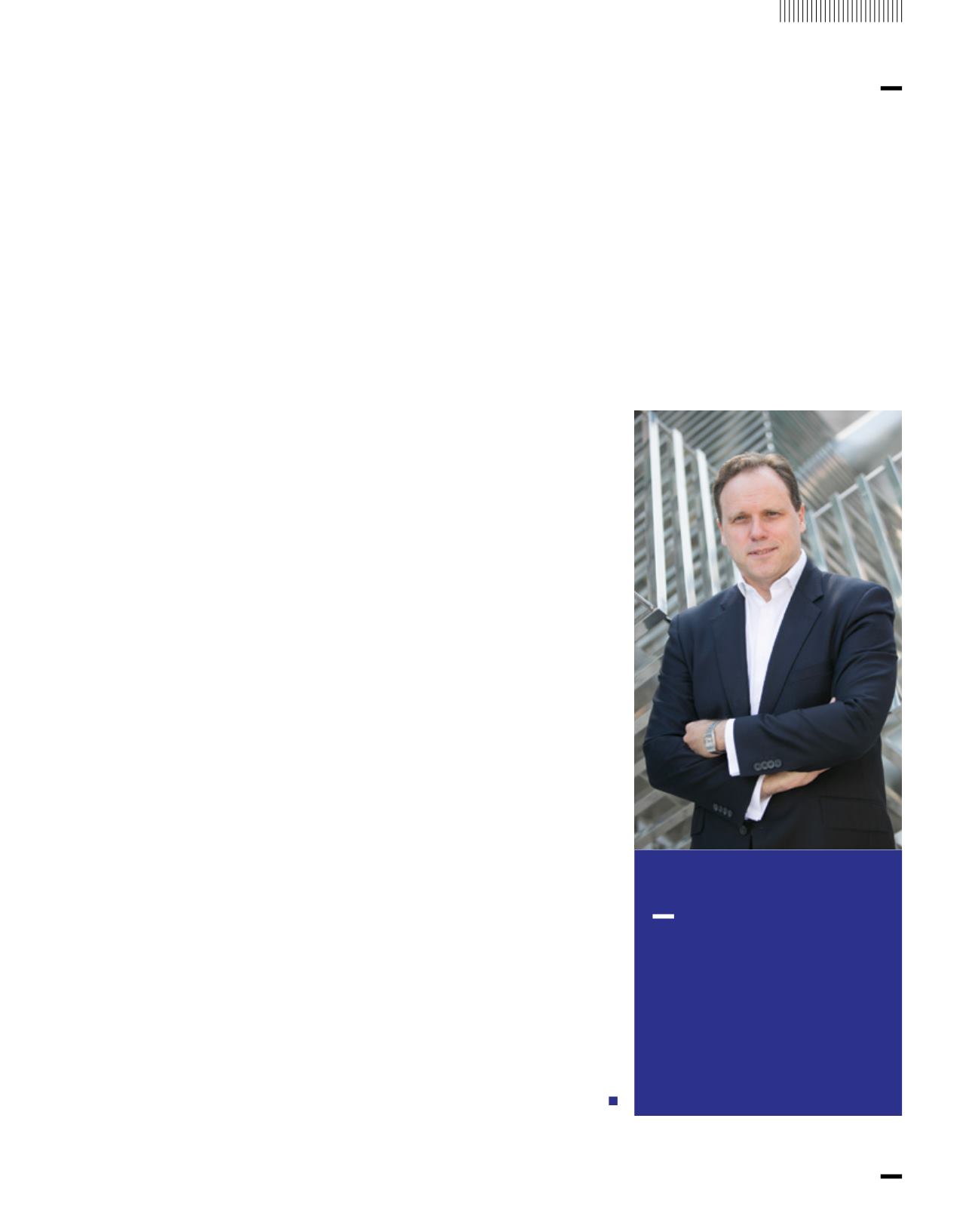
Who is Daniel Lacalle?
Daniel LaCallewas elected by the Richto-
pia ranking as one of the 20most influential
economists of theworld. Professor, author
of several bestsellers in the area of Econ-
omy, commentator and lecturer, is also
an inescapable name in the Investment
Fund Management panorama of Europe.