

Growth has been strong and real, making the country a constant presence on the radar of investors, who have channeled billions of euros in private capital into Portugal via real estate. But even though there are still great opportunities, we need to ensure that this top position continues and, at the same time, continue to fuel growth, with local authorities playing a central role in resolving these challenges.
On Wednesday evening, the Portuguese Investment Conference closed the MIPIM program with a bang, as mayors and investors aligned strategies to continue channeling investment into a new urban cycle. Organized by Iberian Property and APPII, the event was attended by a full house.
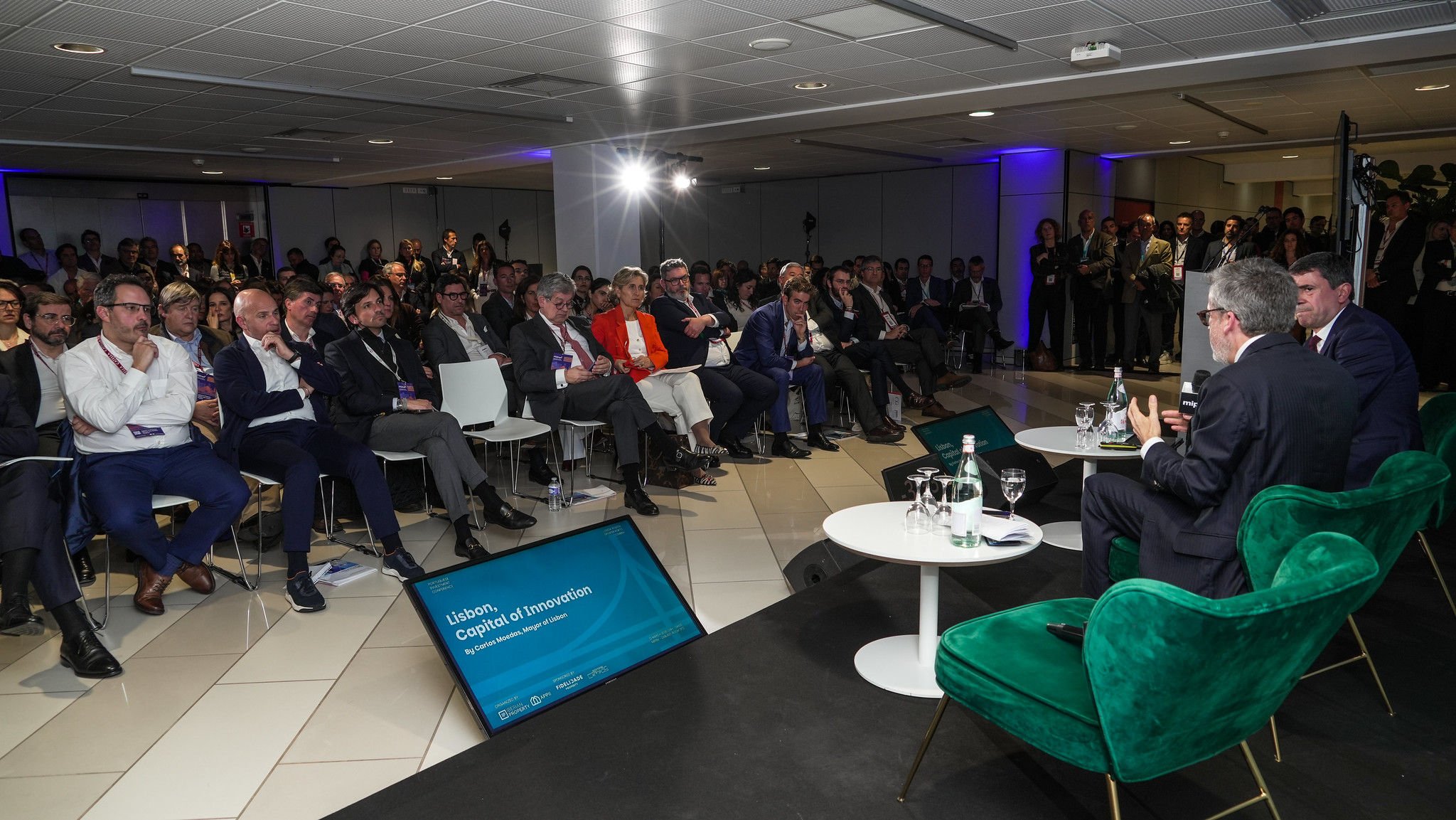
Lisbon Mayor, Carlos Moedas, led the way, saying: “Downtown Lisbon is a clear example of the transformative effect of real estate investment. When people say that the area has been completely transformed, I say: ‘Good for it! It's great that it is no longer deserted, abandoned or lifeless... and if that whole area is vibrant today, we owe it to the real estate investors who accepted the challenge of investing their capital there”. Emphasising that "realising our vision for the future of Lisbon means reconciling the public and private strategies of all those who invest in, live in, and visit the city", Moedas pointed out that the city's recent success also poses new challenges. "When a city like Lisbon reaches a leading position of international prominence, the most difficult thing is maintaining that position and continuing to grow." In this context, he stressed the importance of balancing economic dynamics with social cohesion and scale, as this is the only way to avoid the pressures of urban development and ensure that everyone who comes here continues to feel comfortable, welcome and safe.
For Moedas, safety, qualityof life and even the capacity for rapid integration of foreign residents continue to be, for currencies, some of the major differentiating factors that sustain the continued interest of international investment in Lisbon. However, he acknowledges that challenges persist, citing excessive bureaucracy and the complexity of urban planning frameworks and licensing processes as the main constraints on real estate investment. "We need to simplify the rules and provide greater clarity in the planning instruments, because in Portugal the laws in this field are so complex that even AI would be confused" he said, arguing that this has to be a priority in order to strengthen the competitiveness of the market.
City development must be done in partnership
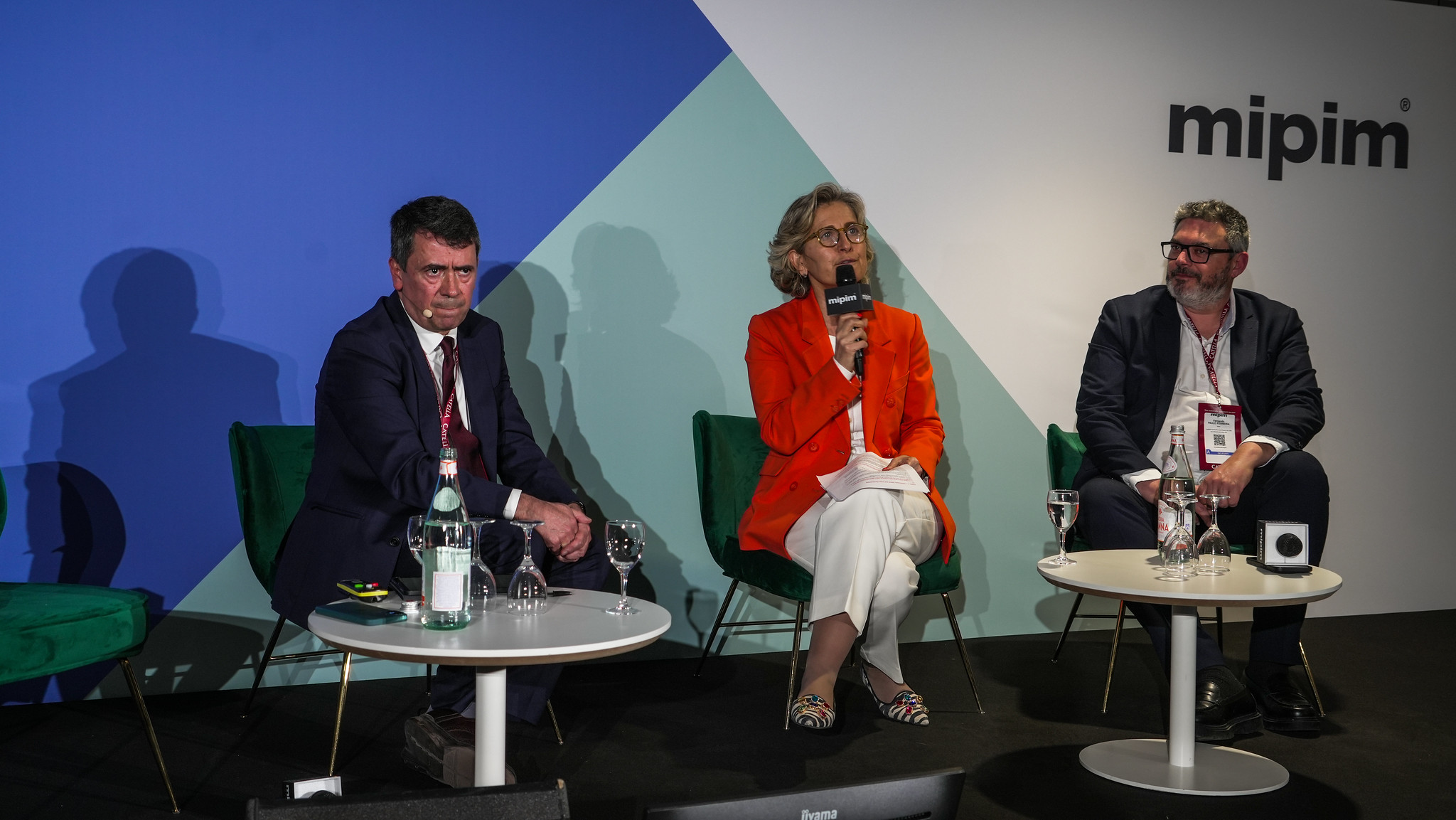
Today, real estate investors are no longer restricted to Lisbon and Porto, and opportunities are multiplying throughout the country. Coimbra is one of those alternative locations willing to attract capital. At MIPIM, it presented itself as the country's third largest urban centre, boasting a strong academic and innovation ecosystem, as well as a growing international student community.
The future high-speed rail line, with a stop in the city, should further strengthen this position, stresses the Coimbra Mayor, Ana Abrunhosa. "We're planning a real new city for the whole area and we've invited the architect Jean Busquets to work with us to think about what the future of the whole area will be. We want to create a clear master plan that guarantees predictability and that works, because if we want to build cities with private investors, we obviously need a clear, publicly debated concept of what that city should be," she said. Describing this new expansion area as a "great opportunity for the future" in Coimbra, Ana Abrunhosa explained that it involves "public land to be developed by the private sector in partnership with us, creating more housing, hotels, commerce and services. We also want to have a metrobus corridor connecting the entire expansion area to the neighbouring municipalities and to the centre of Coimbra, because we know that if we have mobility, we will also have more freedom to choose where we want to live and work”.
Highlighting the growing attractiveness of his municipality for businesses and investment, the Mayor of Vila Franca de Xira, Fernando Paulo Ferreira, identified the creation of new housing, particularly in the affordable built-to-rent sector, and mixed-use projects as strategic priorities. “Many new companies are setting up in Vila Franca de Xira, and now we need to provide the conditions that will encourage people to settle there too. That is why the development of mixed-use projects is so important, and why we must work closely with investors," he said. However, he added that to facilitate this, "our country needs to simplify the relationship between the public and private sectors, especially with regard to housing", emphasising that ‘"o attract private investment, we essentially need two things: trust and speed".
Although the market is more liquid, it cannot rest on its laurels.
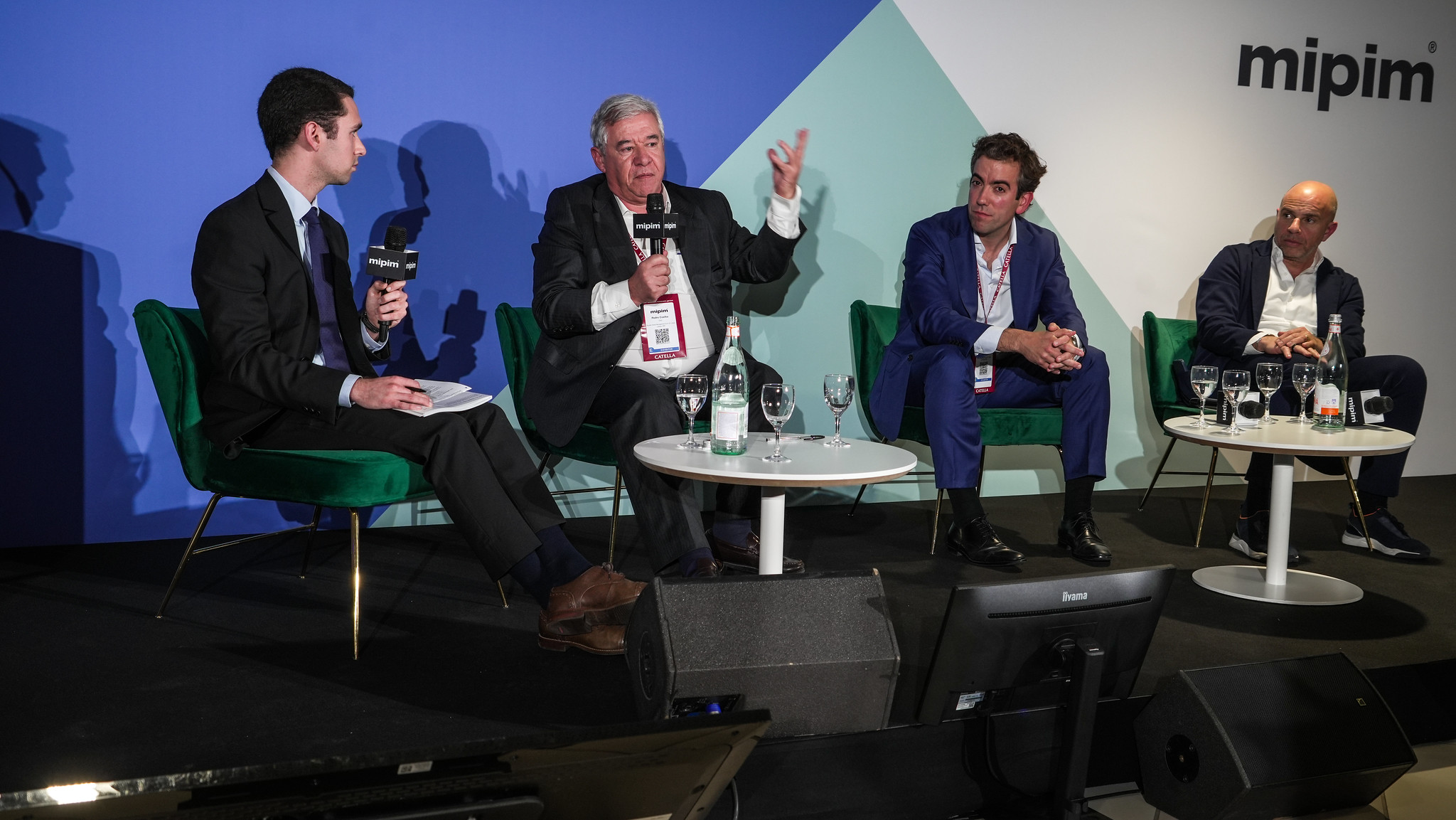
On the investors' side, the perception is that the Portuguese market has undergone a structural transformation in the last decade. "When we entered Portugal in 2013, there was virtually no institutional capital in the country. Today, the scenario is completely different," recalled Claude Kandiyoti, CEO of Krest Real Estate Investments, which currently has a portfolio in Portugal valued at more than 1.5 billion euros, with a presence in different areas of the country.
"While the country faced a shortage of capital and financing in the post-financial crisis period, today the market has global institutional investors, credit funds and a more robust banking system, creating conditions for larger and more sophisticated operations," added João Cabaça, CEO of VIC Properties. Although the situation is different, opportunities continue to abound; otherwise, the country would not have one of the greatest potentials for urban regeneration in Europe. “The Portuguese urban fabric still offers opportunities for large-scale intervention that we no longer find in many European cities,” he said.
According to Pedro Coelho, CEO of Square Asset Management, Portugal's growing position as an investment destination is ‘the result of a combination of several structural factors: macroeconomic stability, demographic dynamics, international mobility and quality of life’. Capital always follows people and companies,” he summarised.
Despite the positive momentum, the participants issued a common warning: "Portugal cannot rest on its recent success" as João Cabaça stated. Those present unanimously agreed that the shortage of new housing supply, regulatory complexity and licensing times continue to be structural challenges that constrain the market's responsiveness.
The Portuguese Investment Conference, hosted at MIPIM in Cannes, has been organised by Iberian Property and APPII, counting with the support of Fidelidade Property through Entrecampos - an awarded Mega Development located in Portugal.

