PORTUGAL IS ALREADY A "MUST-SEE" DESTINATION FOR TOURISM INVESTMENT
Hotel Investment Portugal conference
The growing sophistication of demand and the reconfiguration of source markets are reinforcing the country's international attractiveness and opening up new opportunities for investors, in a context where tourism real estate plays a strategic role in the allocation of capital.
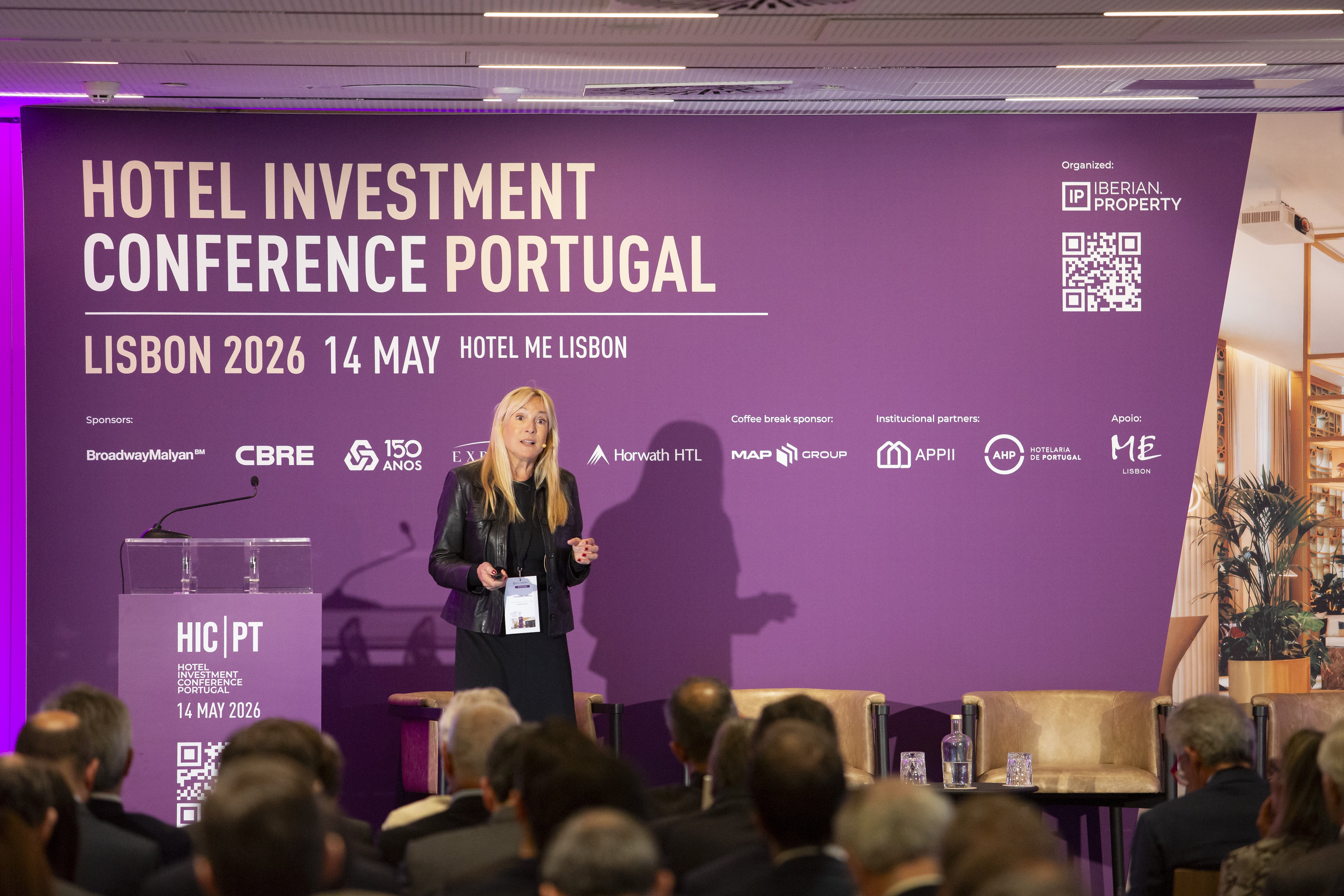
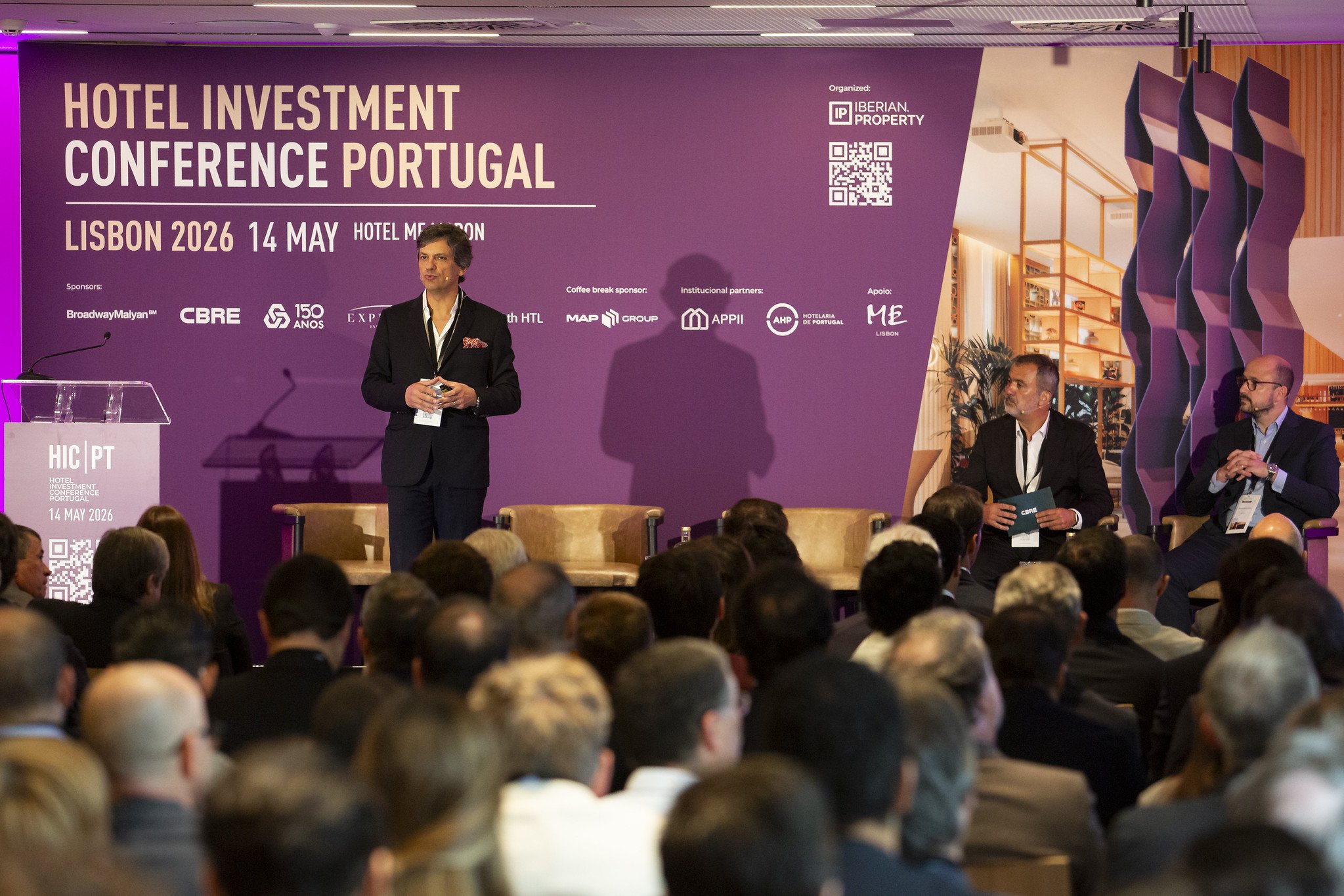
This was one of the main conclusions drawn from the Hotel Investment Conference - Portugal, organized by Iberian Property last Thursday, May 14. The event, which was supported by Broadway Malyan, CGD, CBRE, Explorer and Horwath HTL, was attended by a full house at the new ME Lisboa hotel, bringing together hoteliers, investors and experts in the sector.
Access all the presentations of the Hotel Investment Conference
Horwath HTL Portugal & CBRE | Broadway Malyan | Caixa Geral Depósitos
To grow more in value and less in volume
Despite the sector's enormous contribution to the Portuguese economy, which translates into 12% of GDP and almost 30,000 million euros in revenue, Turismo de Portugal recognizes that "the successes of the past do not guarantee the results of the future". This is because issues such as climate change, geopolitical issues, ESG sustainability, or the growing demand for increasingly personalized experiences, are becoming increasingly important; experiences, among others, are redefining the direction of the sector, said the administrator of that public entity, Catarina Paiva.
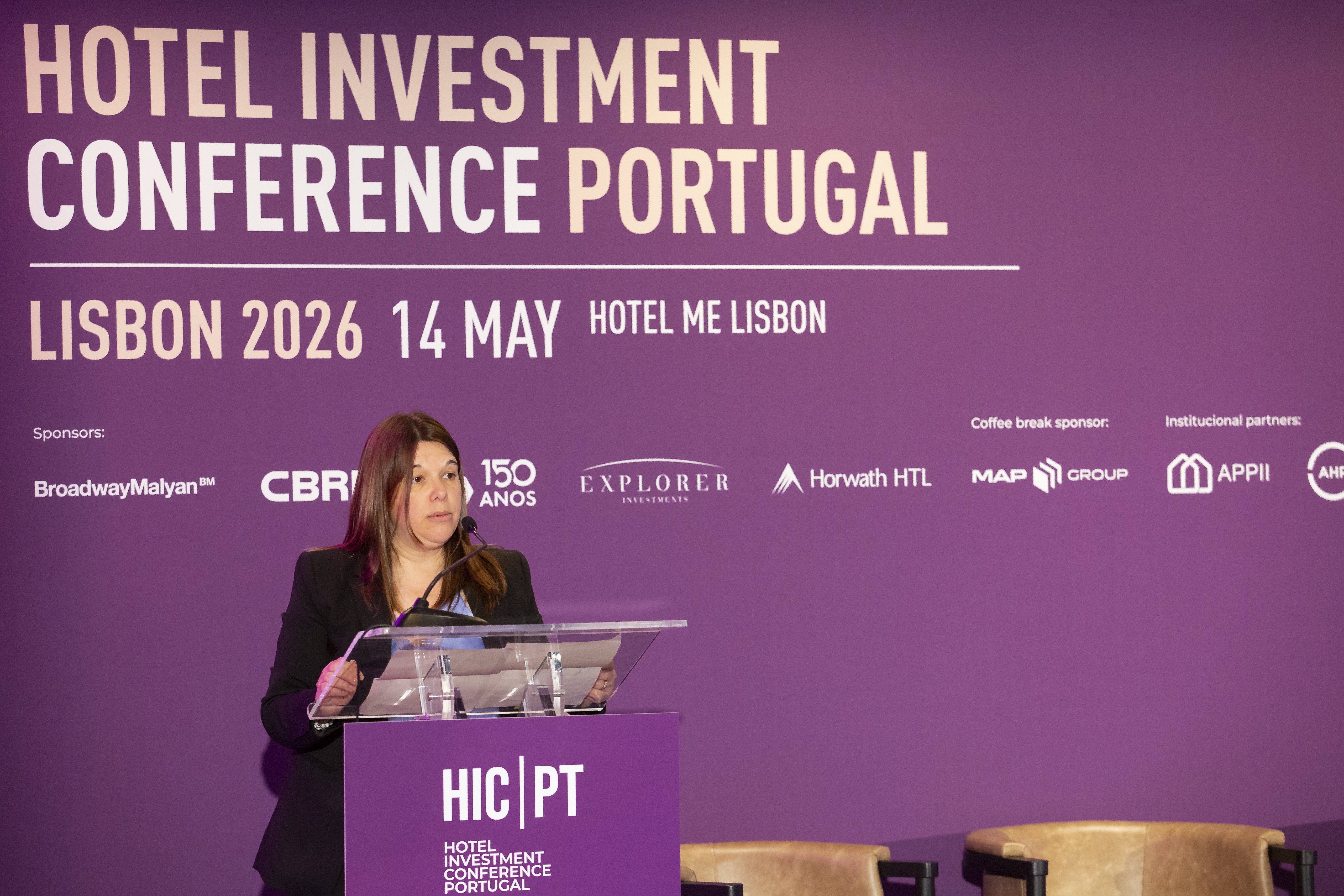
"We are redefining Turismo de Portugal's strategy for the coming years, so that it puts people at the center and we can grow more in value and less in volume. And in this vision, the qualification and repositioning of the offer will be critical," she said. She added that "investment is a necessary condition for this growth to actually happen".
12%of GDP and almost 30,000 million euros in revenue (tourism economic impact).
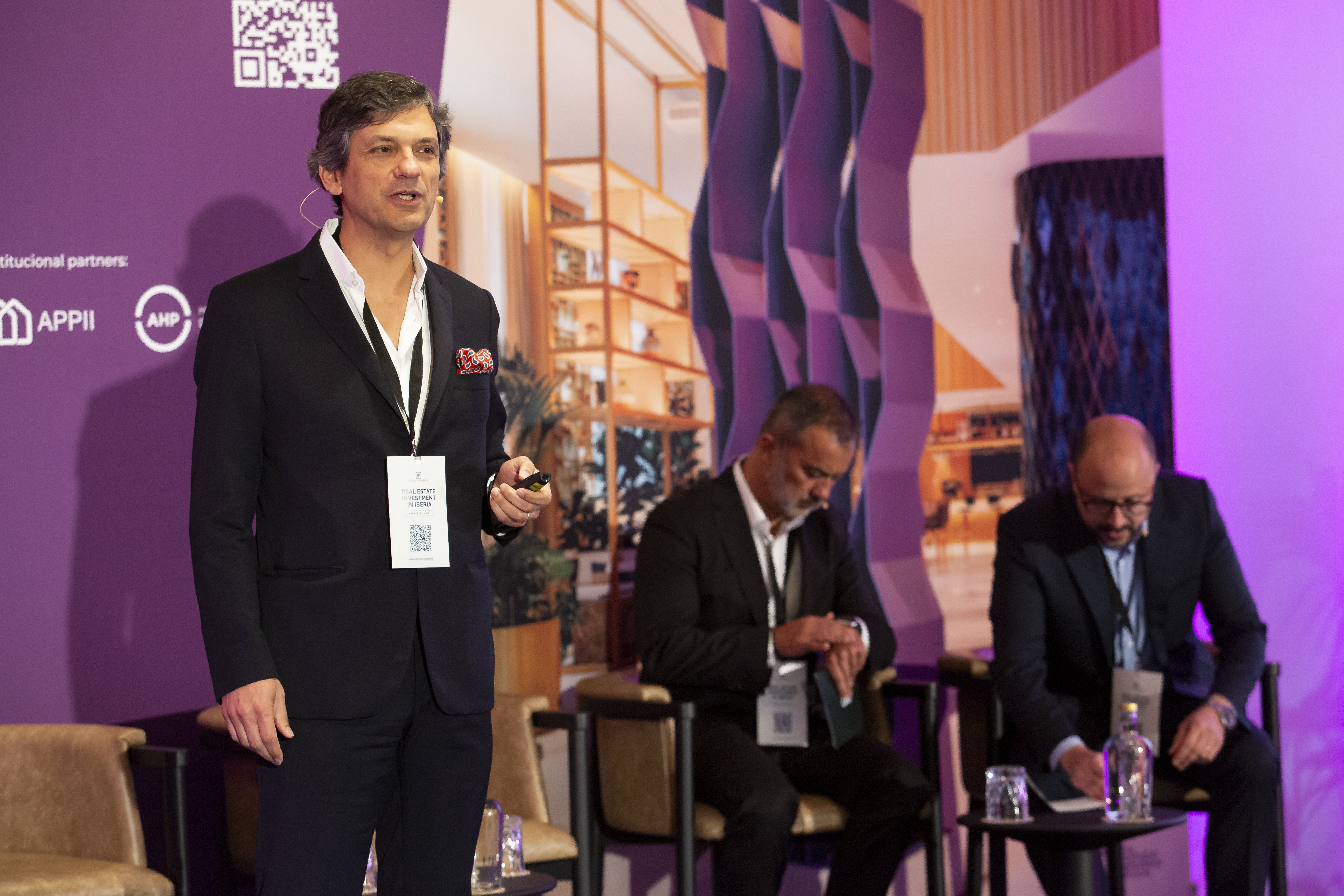
The data presented by José Gil Duarte, Managing Director of Horwath HTL Portugal, shows that the sector is already on the right track towards this strategic goal. In the last ten years, ADR has risen by 10% and although four-star is the dominant segment on offer, there is enormous interest and a predominance of investment in five-star units, he said.
In addition, the expert emphasized, "the pandemic has accelerated not only a huge growth in operational KPIs in the upper segments, but also a profound transformation of the source markets. Today there is a greater geographical dispersion of those who come to us, which brings greater resilience to the destination", he added, highlighting the exponential growth of the North American markets, namely the USA and Canada.
This new configuration of demand, which is more sophisticated and demanding, is generating a new range of opportunities for the offer, which is reflected, among other things, in the growth of luxury, in the expansion of international brands, in a greater demand for international brands, in a greater demand for international brands; international brands, greater demand for immersive services and experiences and, of course, territorial expansion, with regions such as the Azores or the Douro gaining prominence in five-star hotels. “The new hospitality has to offer experiences. And, consequently, the product is also evolving beyond traditional accommodation models, giving way to lifestyle hotels, branded residences, wellness and nature and hybrid models".
"Portugal is aligned with this future", concludes José Gil Duarte, listing the repositioning and reconversion of aging assets, their upgrade to lifestyle, the growth of the branded residences and long-stay markets, territorial expansion into new geographies and the expansion of the long-stay market;territorial expansion into new geographies and the bet on new wellness markets and authentic experiences, as major opportunities for the supply side.
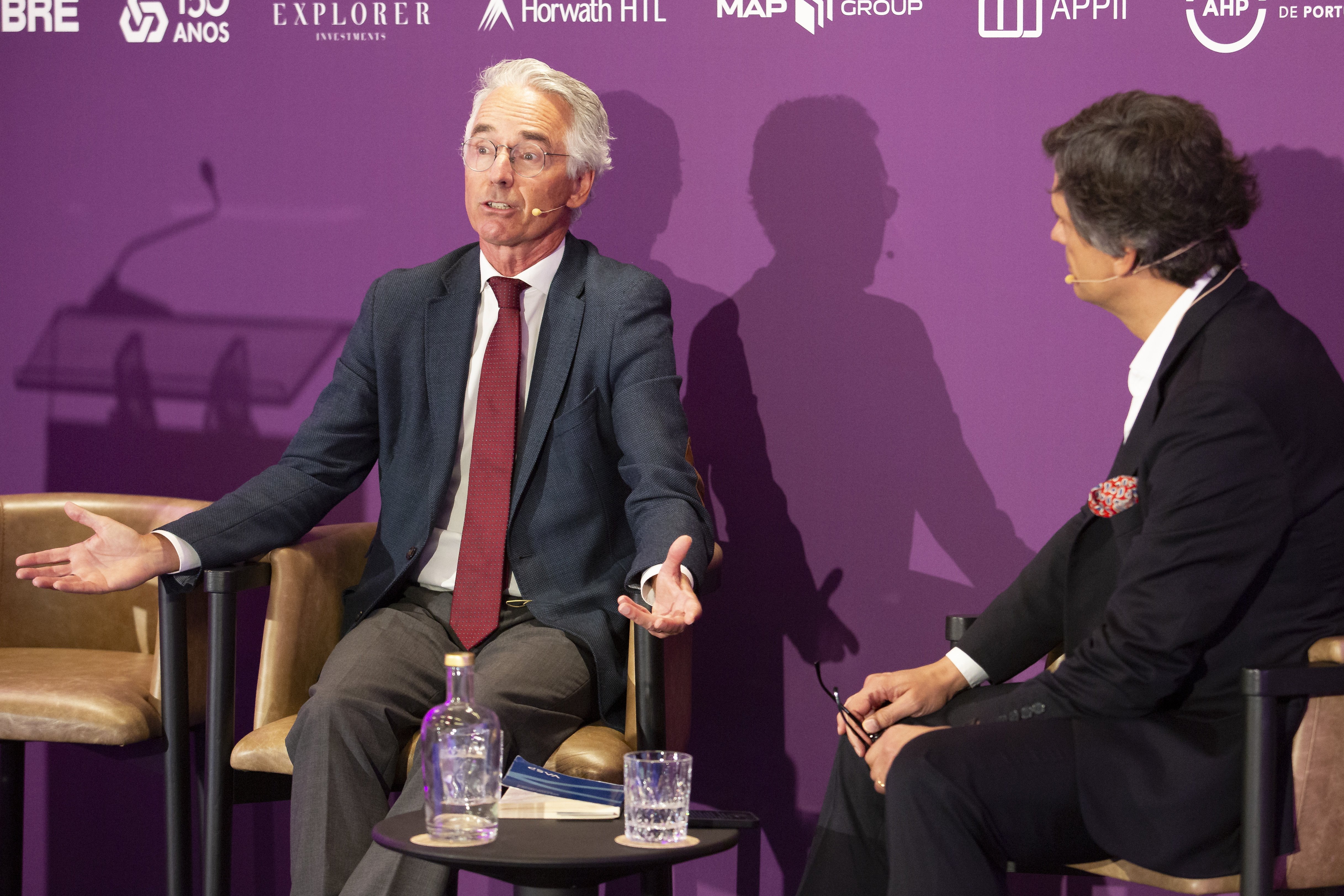
Bernardo Trindade, president of the Hotel Association of Portugal, also stressed the importance of qualifying the touristic supply. "Quality is an essential issue for Portugal," he said, recalling that many of the current investment vehicles emerged after the financial crisis of the 2010s and played an important role in transforming the sector. However, the hoteliers' leader also warned of some structural challenges that Portugal will have to face in this period, particularly in terms of airport infrastructures and human resources. "We need to increase the average stay of tourists and improve the experience at Portuguese airports," he said.
Capital moves to southern Europe
“Capital is attracted by increases in performance. And Portugal is now in fourth place, along with France, in terms of investors' expectations in terms of hotel returns for 2026", noted Gilberto Martins, director of CBRE Hotels. According to this expert, the most recent international survey carried out by the consultancy firm shows "an intention on the part of capital to move from central to southern Europe, which benefits our country”, and when asked which markets will generate the most investor interest this year, Lisbon comes sixth at European level.
Hotels accounted for 40% of the volume of commercial real estate investment transacted in Portugal
In fact, in 2025 the Iberian Peninsula already captured 20% of real estate investment in hotels in Europe, competing closely with what is the main European destination in this field, the United Kingdom. This trend has continued this year, with the region remaining in the top 5 of the main destinations for investment in hotels in Europe, with 938 million euros transacted in this asset class in the first quarter, as shown by Duarte Morais Santos, Head of Hotels at CBRE. Including only the sale of existing assets, i.e. excluding investment in promotion, this figure includes 606 million euros sold in Spain and the remaining 362 million euros in Portugal. Hotels accounted for 40% of the volume of commercial real estate investment transacted in Portugal in the first quarter, well above the European average of around 10%, said the expert.
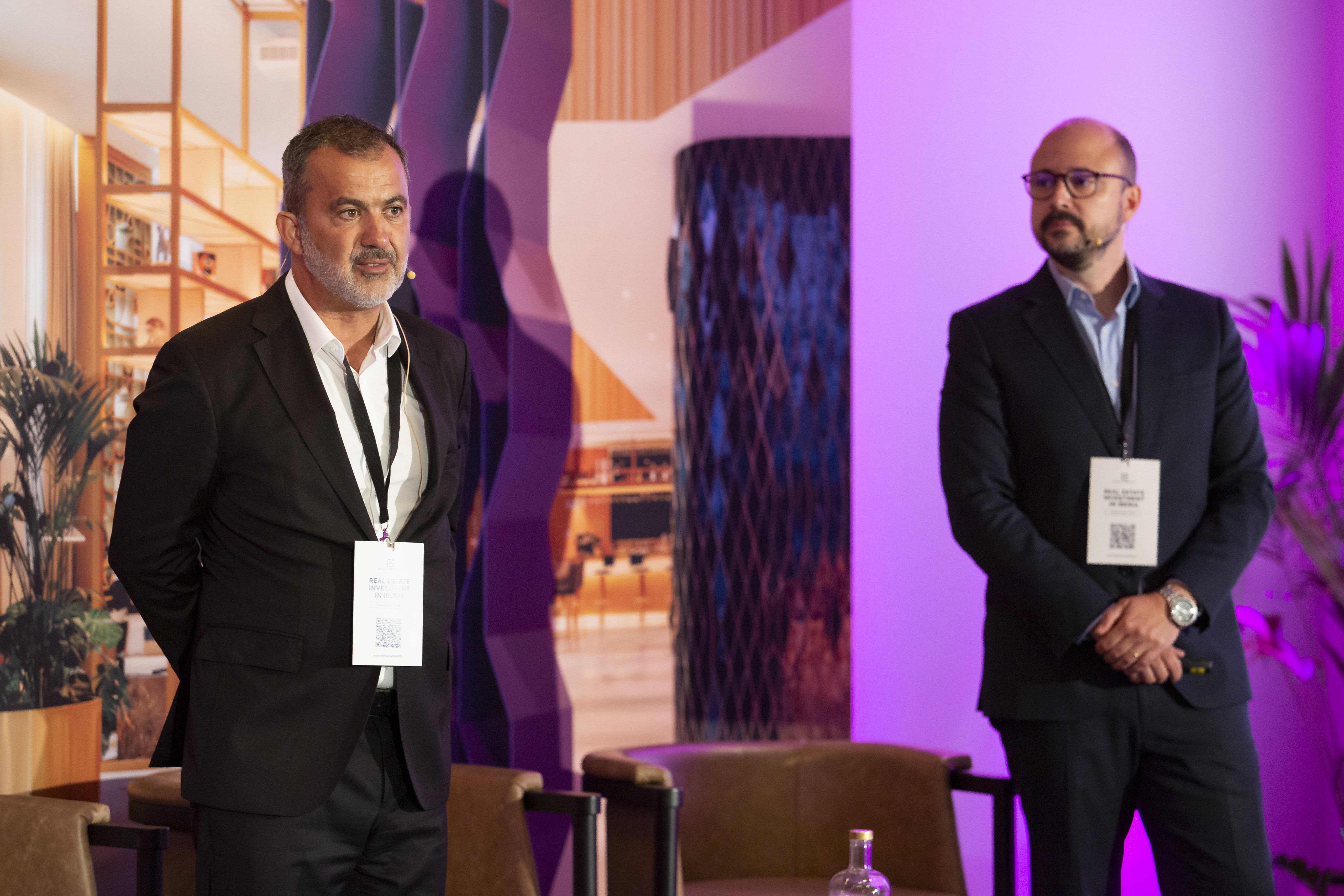
Investment in hotels could break records in Portugal this year
Until 2018, hotels were almost seen as an alternative asset class within real estate investment in Portugal, but since then this has begun to change, with an average of 505 million euros invested annually in the sector between 2018 and 2025, he estimates. If we add investment in new projects (excluding renovations), the annual average rises to 916 million euros. And the projections for 2026 point to a turnover of 758 million euros which, if confirmed, will bring annual growth of 73% and one of the best years ever for this sector; said Duarte Morais Santos, adding that these capital flows "should continue to increase in the coming years”.
Despite international geopolitical instability, Gilberto Martins believes that the impact on the domestic market should be limited. "There are challenges ahead, but for now we don't anticipate any significant changes in this scenario," he said.
€505Minvested annually in the sector between 2018 and 2025
The Spanish company ATOM Hotels is one of the international investors currently looking for opportunities in Portugal. "We have already analyzed more than 60 hotels, but we still haven't found the right asset, with the right profitability and the right partner," said the CEO, Vítor Martín, explaining that, as they are an active investor, they have access to various investor profiles – “we could invest in a single asset worth 20 to 30 million euros, or in a portfolio of several hundred. It all depends on the opportunity”.
Explorer is also interested in new operations. "We are looking for assets where we can replicate our value creation strategy," explained José Tiago Silva, Hospitality Partner. "We prefer assets that require investment in CAPEX and repositioning".
According to José Tiago Silva, this growing specialization of investment demonstrates the greater maturity of the Portuguese destination. "There is now a strategic alignment between the diversification of the origins of capital and the diversification of the source markets," he commented.
Brands are the trump card to win in a more competitive market
The strengthening of the presence of international brands is another of the factors valued by investors. "The market is increasingly competitive and brands bring innovation, creativity and differentiation," said Francisco Moser, CEO Hospitality at Arrow Group.
José Tiago Silva agrees. "In a highly competitive market, we can only achieve the desired levels of profitability through differentiation, management skills and association with strong brands".
Francisco Moser also stressed the importance of developing integrated tourism ecosystems. “Our concern is to create differentiation not just in the hotel product, but in the whole environment, integrating hotels, real estate, the marina, golf, restaurants and events, as we are doing in Vilamoura or Palmares". In this context, he believes that "traditional metrics such as RevPAR no longer reflect the full reality of the operation. Today, there are complementary components that are increasingly relevant to the profitability of assets".
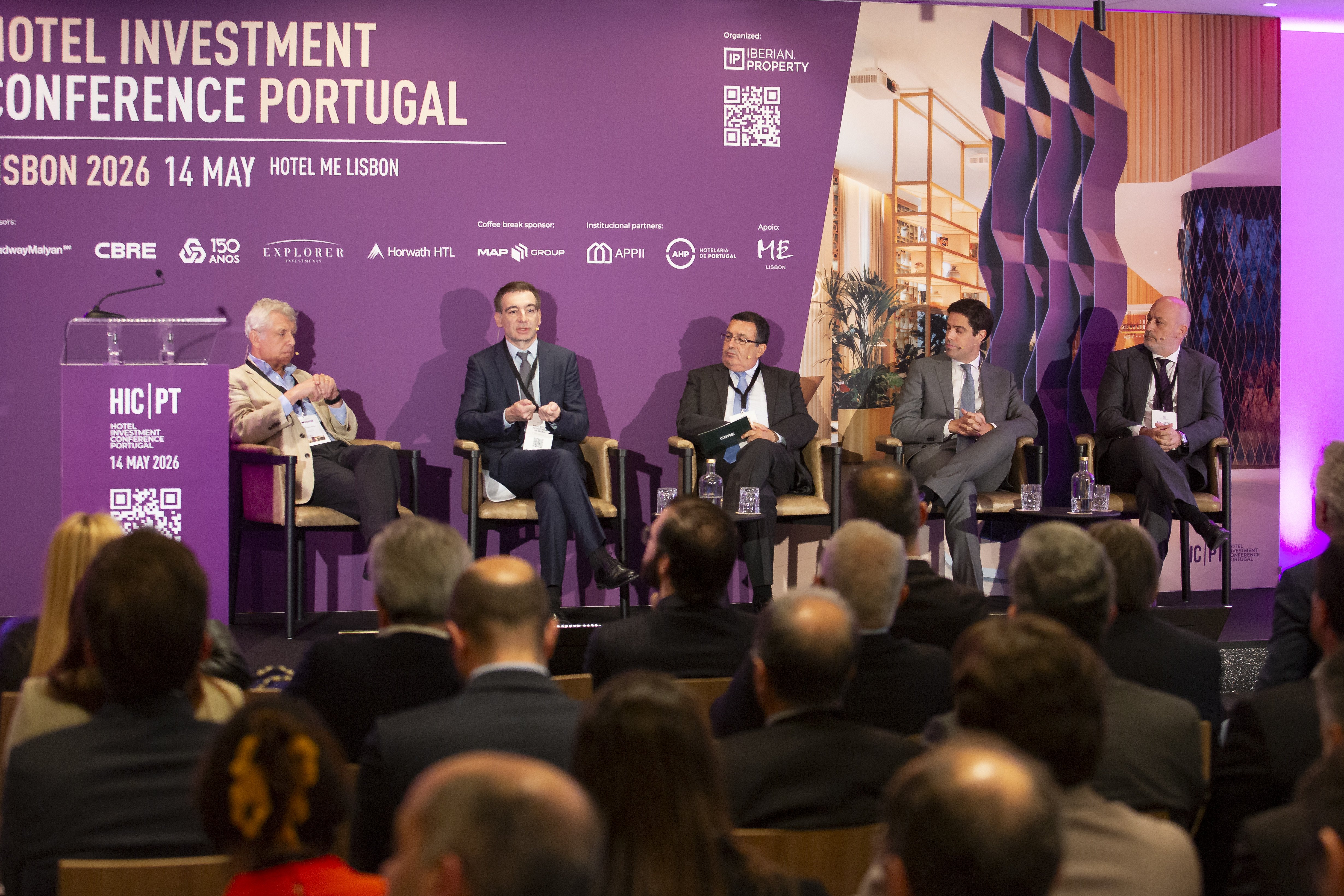
Financing keeps pace with sector developments
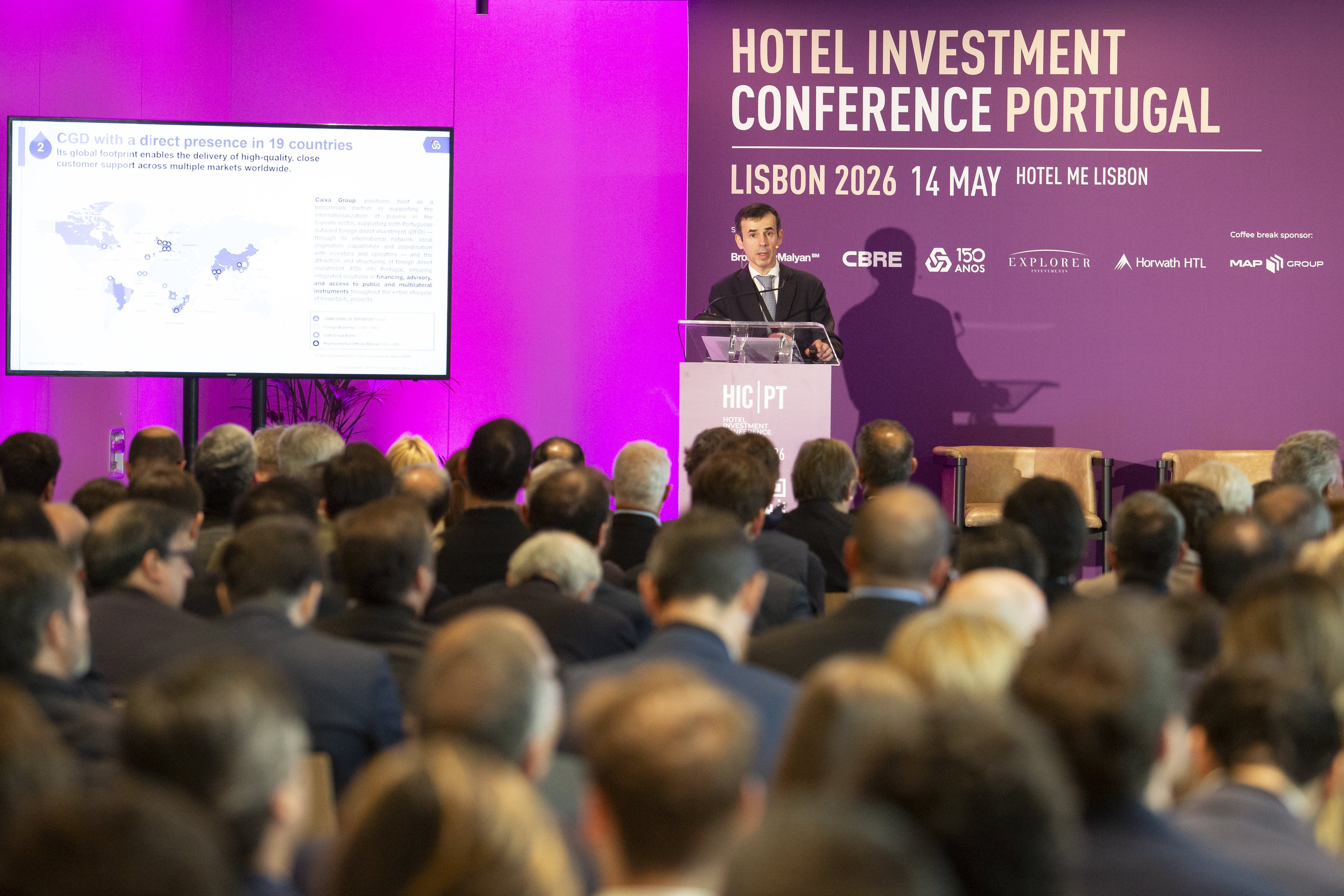
Meanwhile, the banking sector has also been moving to keep up with this growth in the sector, diversifying the range of financing solutions available for both the short and long term, as shown by Carlos Figueiredo, Director of Structured and Project Financing at Caixa BI – Investment Bank. "We are available to support the real estate and tourism sectors," he said.
In the case of Fomento Fundos, SGOIC, "the goal for 2027 is very clear: to reach 1,000 million euros in assets under management", revealed the President, Abel Mascarenhas. "We have various instruments that allow us to inject liquidity into companies so that they can grow and become more competitive, including, among other mechanisms, sales and leaseback operations lasting up to 15 years. Our operations are the most competitive on the market, and we have clients such as Arrow and Explorer, among others, which demonstrates the attractiveness of these solutions for the hotel sector, injecting liquidity using real estate assets".
Thinking beyond the traditional hotel to create future-proof assets
The evolution of the hotel product and the role of design and architecture in creating "future proof" assets were other topics highlighted at the meeting.
Margarida Caldeira, Global Head of Hospitality at Broadway Malyan, argued that hotels today have to offer much more than accommodation. "Hotels don't just sell rooms; they sell experiences," she said, framing this transformation in the so-called "Bleisure Revolution", which combines work and leisure.
According to the architect, trends such as biophilia, wellness, F&B, technology, artificial intelligence and ESG criteria are shaping contemporary hospitality. All of this is no longer a niche bet but a transversal necessity for the sector, she concluded.