IBERIAN OFFICES: INTRINSIC VALUE & INVESTMENT RATIONALE
Is a market consolidation imminent?
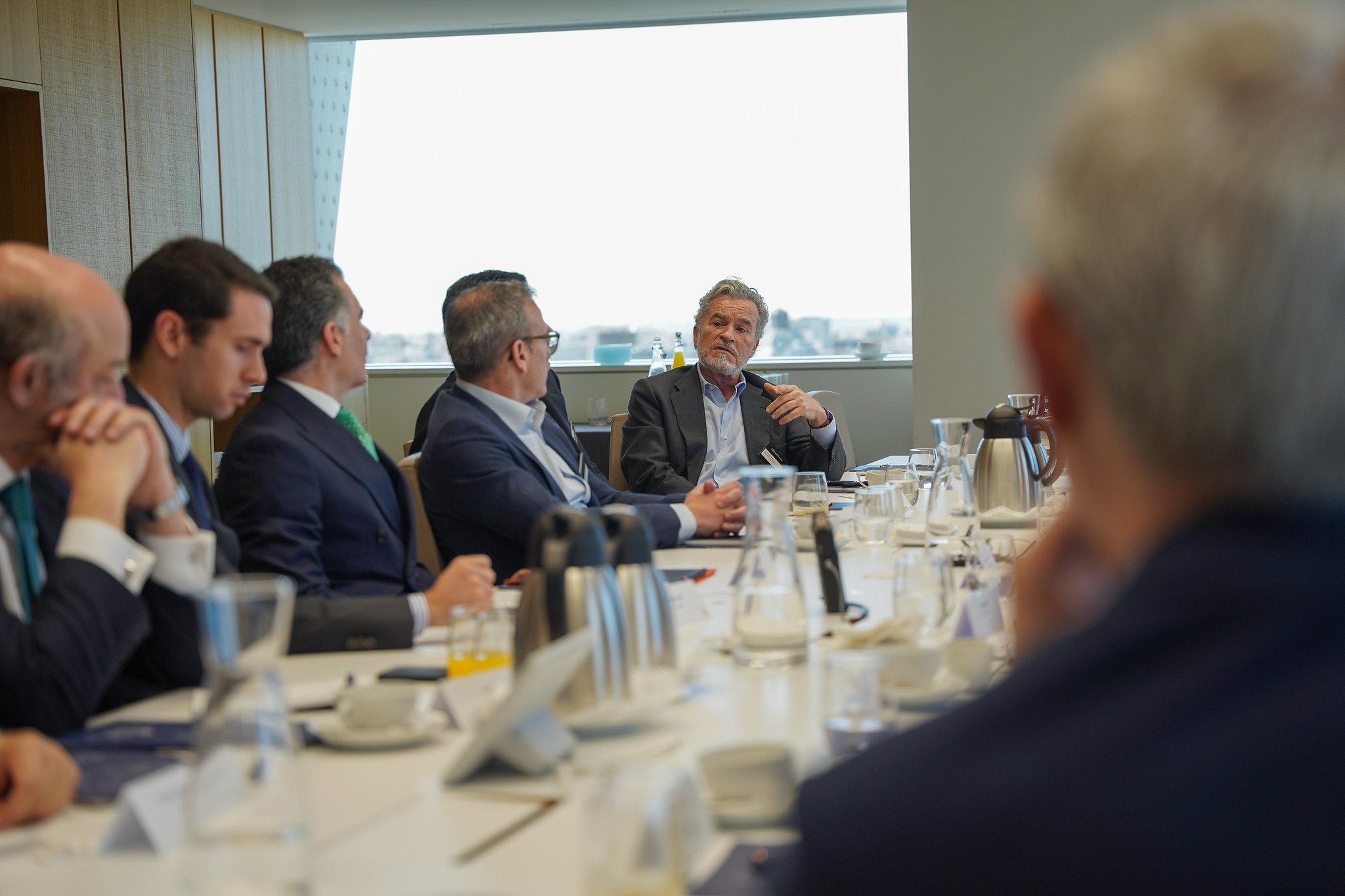
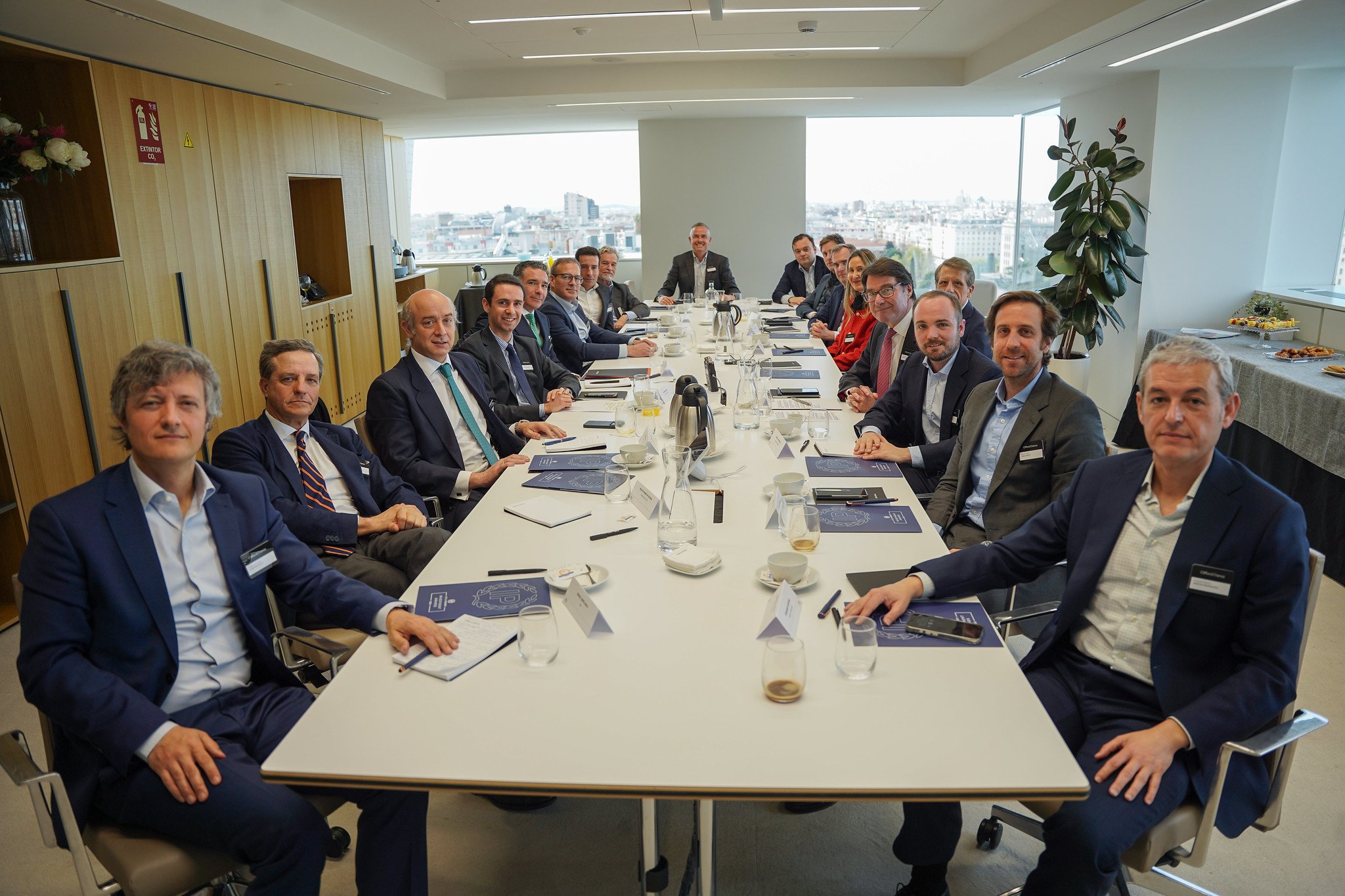
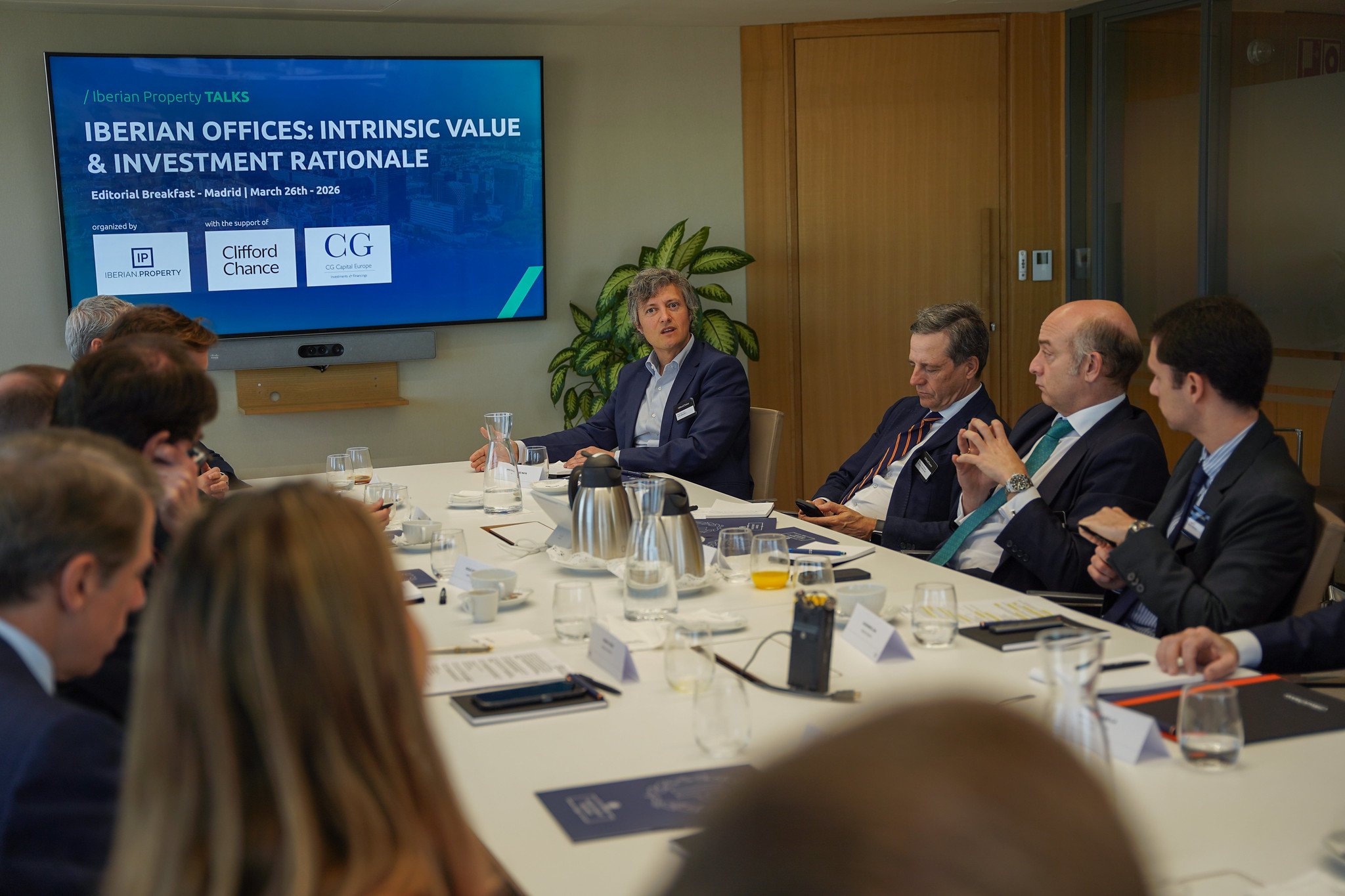
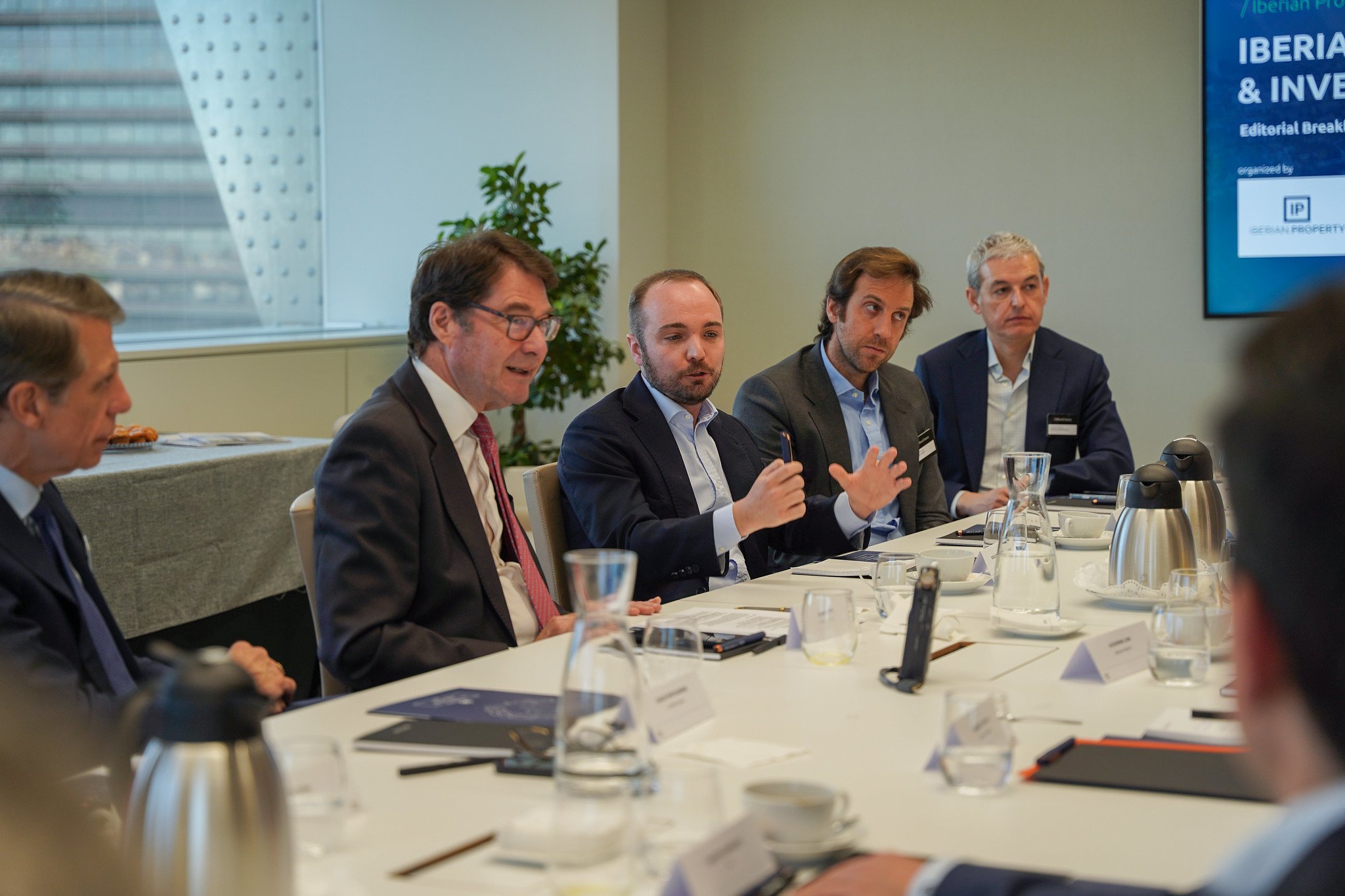
On the 26th of March, Iberian Property convened an Editorial Breakfast hosted at the offices of Clifford Chance in Madrid with the support of both the law firm and of CG Capital Europe. The session brought together investors, asset managers, developers and legal experts to reassess the role of the office sector within institutional portfolios, at a time when the asset class continues to face intense scrutiny across global markets.
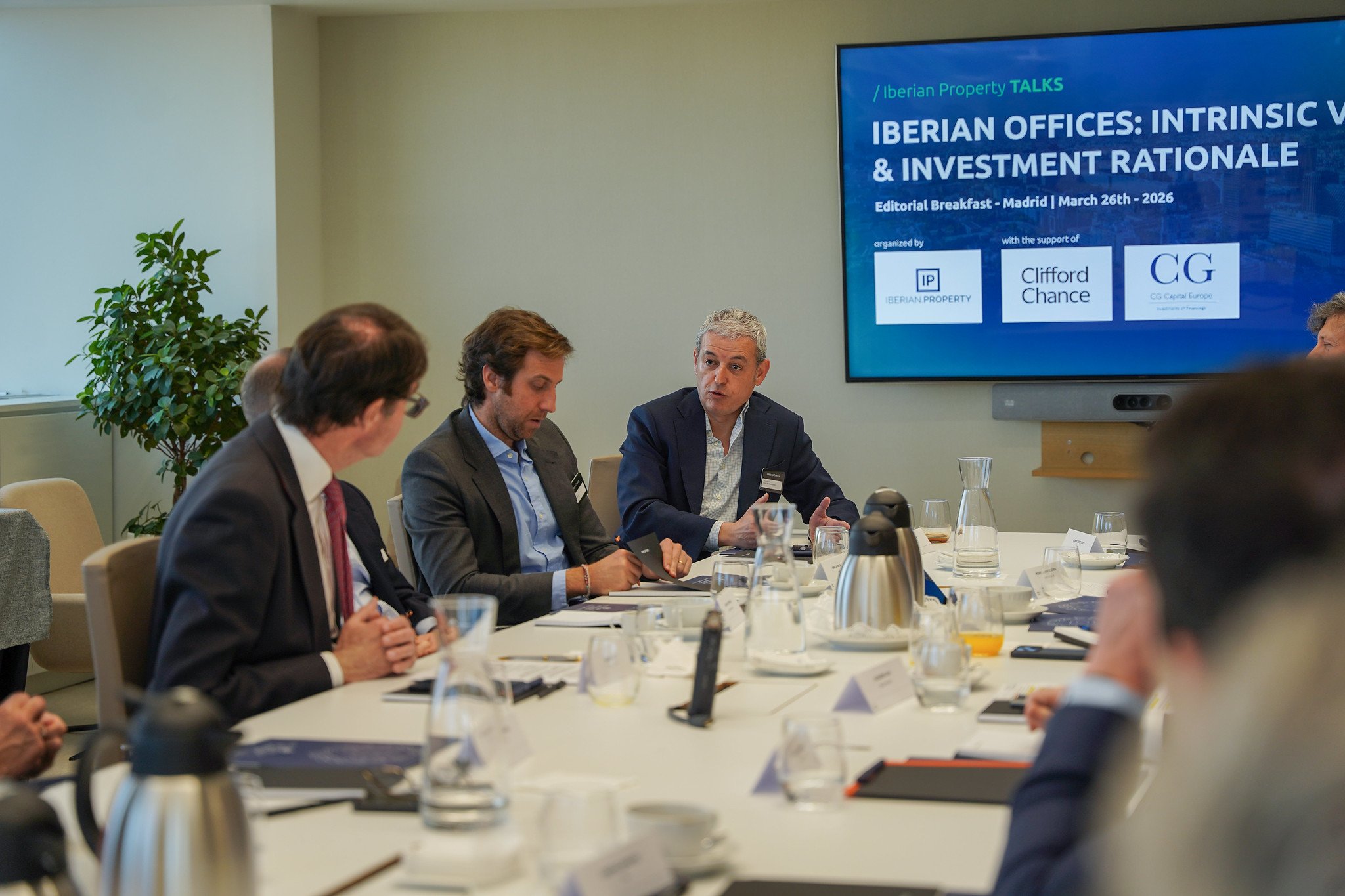
Opening the debate, Alexandre Lima, Director at Iberian Property, framed the discussion through a transatlantic lens, drawing on recent data from listed real estate vehicles (REITs) to illustrate how capital is behaving in the United States. Despite continued pressure on valuations, particularly in the office segment, which remains the most discounted sector (regarding NAV), REITs have re-entered an acquisition phase, with capital raising reaching recent highs and activity increasingly supported by debt strategies. At the same time, transaction volumes in key markets such as New York are recovering towards pre-pandemic levels, while office demand linked to technology and artificial intelligence is showing renewed momentum. Against this backdrop, the central question emerges: is Europe, and more specifically Iberia, following the same trajectory, or does it present a fundamentally different cycle in terms of pricing, demand and capital deployment?
Is Madrid’s office market structurally undersupplied?
The discussion took off with the structural dynamics of supply, with Carsten Czarnetzki, Country Head of Iberia at AEW, reinforcing the singularity of Madrid within the European office landscape. The scale of stock reduction—around 500,000 sqm removed through change-of-use strategies—was not, in his view, a cyclical adjustment but something structurally distinctive. “We are not seeing this anywhere else in continental Europe,” he noted, drawing only a partial comparison with London. This contraction, combined with a limited development pipeline, continues to exert upward pressure on prime CBD rents, suggesting that current rental growth is not simply a short-term rebound but underpinned by deeper supply-side constraints.
That structural narrative was immediately tempered by a more cautious perspective from Luis Bueno, Senior Director at Tristan Capital Partners, who framed the discussion within a broader context of systemic uncertainty. “We are living in a world where disruption has become structural,” he observed, warning that traditional real estate cycles may no longer provide a reliable framework for forecasting demand. Beyond hybrid work, he pointed to a less visible but potentially transformative trend: the rise of independent professionals operating outside traditional corporate structures. “We simply don’t know what the size of the office market will be,” he admitted, highlighting a fundamental uncertainty that continues to shape investor behaviour and reinforce the divergence between prime and peripheral assets.
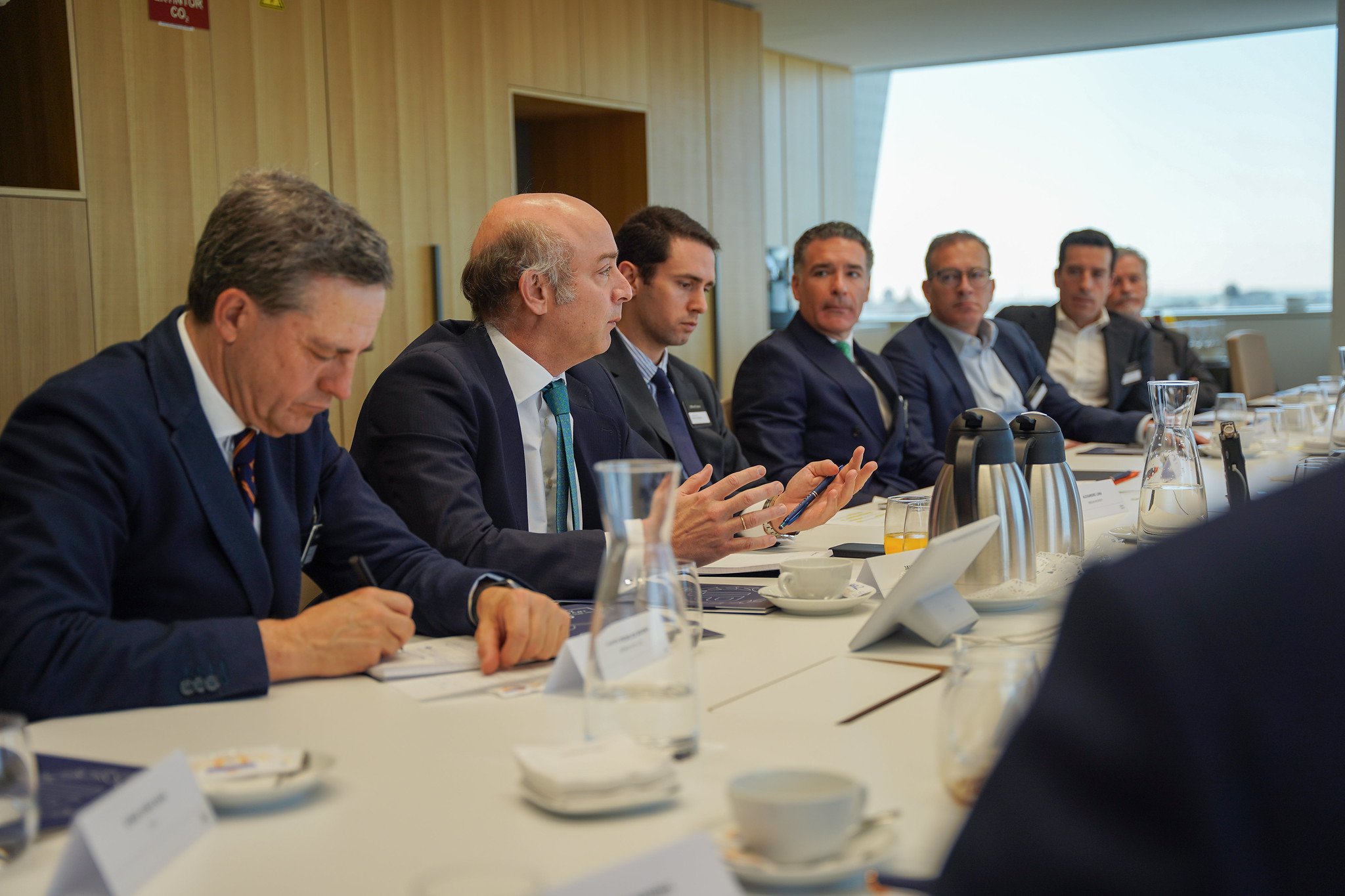
Perception, particularly from international capital, has also played a decisive role in shaping market dynamics. Carlos Portocarrero, Partner in Real Estate at Clifford Chance Spain, reflected on how, at the peak of scepticism, many US investors struggled to differentiate Madrid from more distressed urban markets. “It was difficult to explain that Madrid is not Los Angeles,” he remarked, recalling a period where overly broad assumptions led to mispricing. While sentiment has since improved, he noted that listed real estate vehicles (especially in the US) continue to trade at significant discounts, in some cases “around 50% below 2022 levels”, pointing to a persistent disconnect between public market sentiment and underlying asset fundamentals.
From a transactional standpoint, Gabriel Cabello, Partner in Real Estate at Clifford Chance Spain, observed that the market has not rejected offices outright, but rather evolved towards a far more granular and technically driven analysis. “The conversation has changed... it is no longer whether to invest, but how,” he explained, with increasing emphasis on Capex requirements, ESG compliance and future liquidity. This shift reflects a more sophisticated investment framework, where assets are assessed not only on current income but on their ability to remain competitive and compliant over the full holding period.
Fundamentals vs. capital: where is the disconnect?
This divergence becomes particularly evident when comparing operational performance with capital markets behaviour. Javier Beltrán, CEO at CG Capital Europe, described a market characterised by “extreme polarisation”, where prime CBD assets in Madrid are achieving rents of €44–45/sqm/month with annual growth of 7–8% and vacancy levels around 5–6%, while secondary assets—particularly those lacking sustained investment—face vacancy closer to 15%. “The difference today is capex,” he emphasised, underlining how asset quality and active management have become decisive drivers of performance. According to the CEO, "we have been very active in the Spanish office market, which has been on a recovery path for several months now, having successfully completed numerous transactions in recent years”.
Yet, despite these strong fundamentals, transaction activity remains subdued, an apparent contradiction that Fernando Ramírez, CEO of LOOM & Director at Merlin Properties, articulated with particular clarity. “There is a clear dissociation between capital and what is happening in the business,” he argued, pointing to “rents at historic highs and occupancy at historic highs” as evidence that the occupational market is performing exceptionally well. In his view, the hesitation of international capital is less about fundamentals and more about broader narratives, particularly around the potential impact of artificial intelligence on office demand.
Drawing a parallel with the retail sector during the rise of e-commerce, he suggested that markets are once again pricing in a structural disruption that may prove overstated. “The market is making a bet,” he said, noting that listed office companies are trading at discounts of 40–50% to NAV despite strong cash flows. At the same time, he highlighted the growing influence of residential conversion, identifying a clear economic threshold: “€45–50 per square metre per month is the frontier,” where office use begins to compete directly with residential redevelopment, particularly in Madrid.
Supply dynamics further reinforce this tension. Returning to the development pipeline, Javier Beltrán stressed that “this is not a market where supply can adjust overnight”, noting that only around 190,000 sqm of new office space is expected in Madrid over the next two to three years, with approximately 40% already pre-let. This limited pipeline, combined with ongoing conversions to residential, suggests that supply constraints are likely to persist, reinforcing rental growth in prime locations.
From an investment perspective, Pablo Rodríguez Fominaya, Investment Director at IBA Capital Partners, introduced a more nuanced, asset-level approach. While acknowledging that alternative-use value—particularly residential—can often exceed office valuations in central Madrid, he pointed to a disconnect between theoretical pricing and executable transactions. “There are assets where book values do not reflect what could actually be realised,” he noted, highlighting how some owners are reluctant to sell in a downcycle to avoid crystallising losses. As a result, investment strategies are becoming increasingly micro-driven, with opportunities identified at the asset level rather than through broad market timing.
How far can rental growth go—and at what cost?
If supply constraints are supporting rental growth, sustaining that trajectory depends increasingly on asset quality and continuous investment. Jorge López Naya, Head of Investments at GMP Property, emphasised the importance of a long-term capex strategy, noting that demand is becoming both “more professional and more demanding”. Tenants are no longer focused solely on technical specifications, but on the overall user experience, with offices increasingly resembling hospitality environments in terms of amenities and design. “The office is starting to look more like a hotel,” he observed, linking this evolution to the need to attract and retain talent in a competitive labour market.
This shift is occurring alongside a structural change in cost dynamics. Although rents may have returned to levels seen in 2007 in nominal terms, they now represent a smaller share of corporate cost structures, reinforcing the strategic role of the office within organisations. At the same time, he warned of a less visible but critical constraint: the depletion of land available for future office development, as plots are increasingly reallocated to residential use. This could create a structural supply gap in the medium term, particularly in prime locations.
Outside core areas, however, the economics are far more challenging. Ignacio Pareja, Managing Director at FREO Group, was explicit in his assessment: “today, speculative development outside the M-30 does not work.” The mismatch between construction costs and achievable rents effectively prevents new supply from coming forward in decentralised locations, limiting development to pre-let or build-to-suit schemes. While he acknowledged that rental growth in the centre may eventually spill over into peripheral markets, he noted that, for now, both occupiers and capital remain firmly focused on prime areas.
The consequences of this imbalance are particularly acute in secondary assets. Pelayo Primo de Rivera, CEO at Kefren Capital RE, illustrated the shift with stark figures: refurbishment costs have increased from around €150/m² to €250–300/m², while rents in some decentralised areas remain close to €10/m²/month. “You need three years to recover the investment,” he explained, often within the context of relatively short lease terms. His conclusion was unequivocal: “right now, decentralised secondary is effectively dead, unless rents increase,” capturing the depth of polarisation within the market.
Capital, liquidity and the limits of the cycle
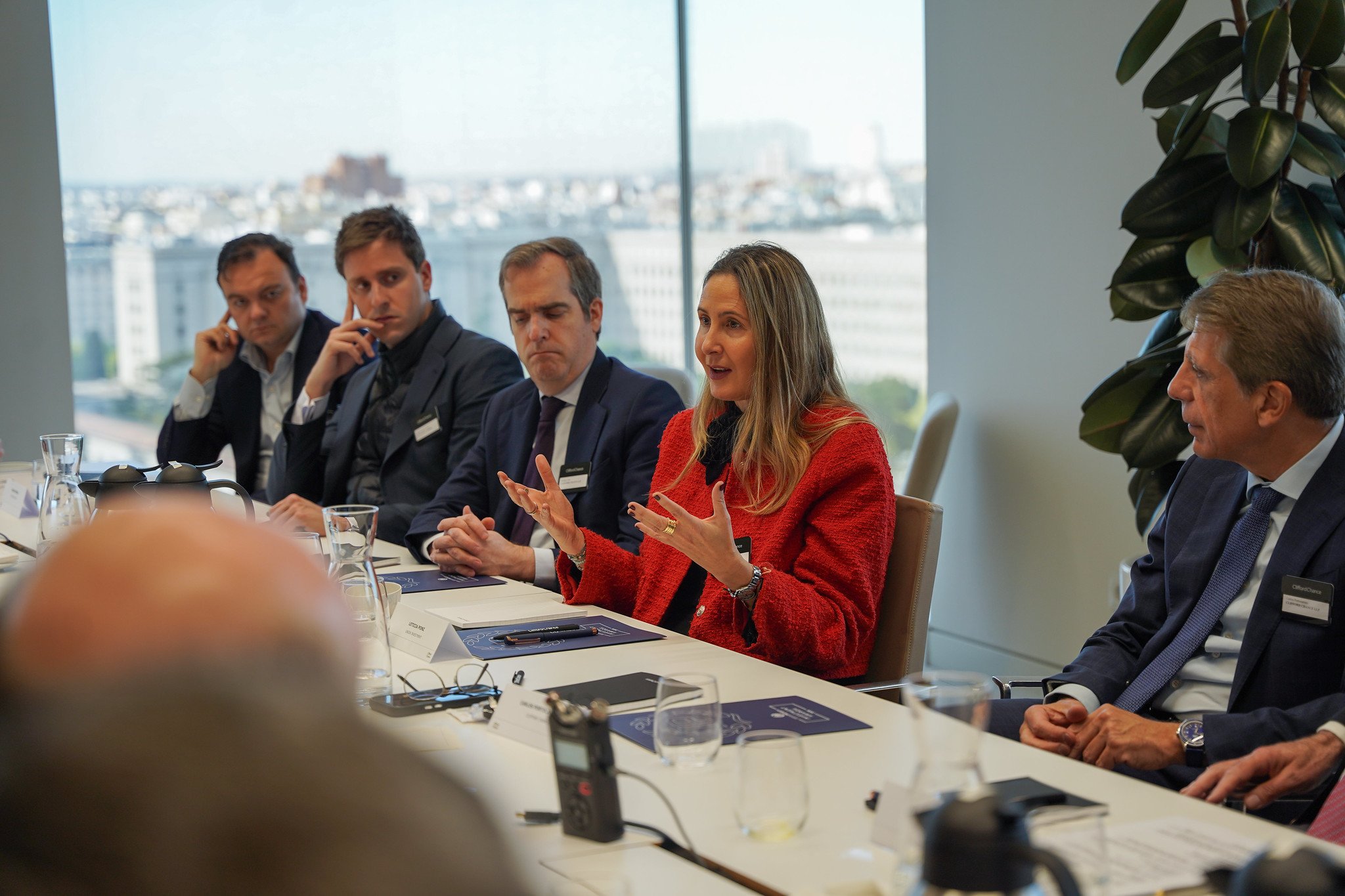
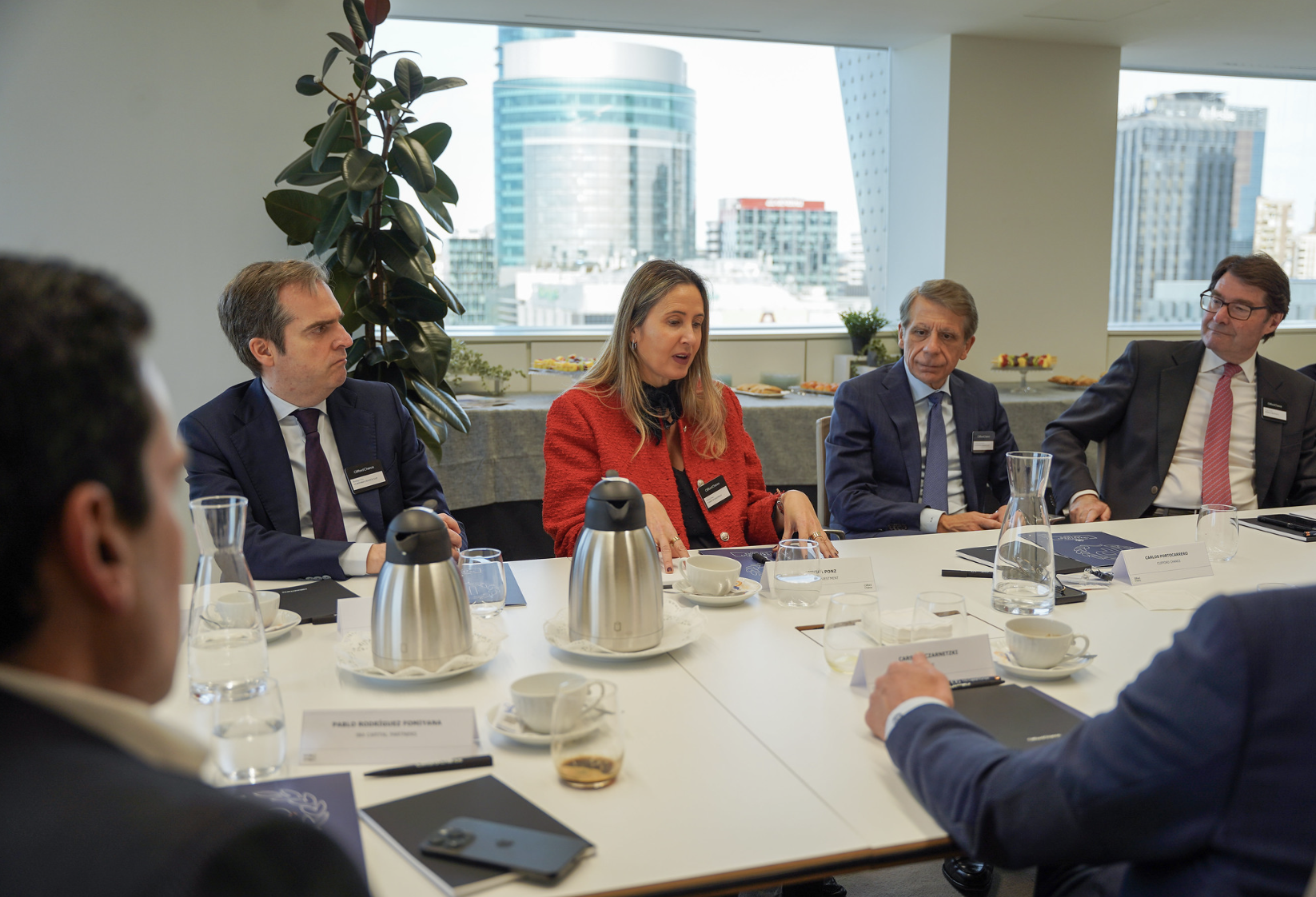
As the discussion turned to capital flows, Leticia Ponz, Head of Spain & Mexico at Union Investment, outlined how investment strategies have been shaped by liquidity pressures and valuation discipline over the past two years. “Most recently we have been net sellers,” she explained, driven by redemptions and the need to exit assets where book values could be met. This has led to disposals in markets such as Spain and Portugal, while attempts to sell assets in the United States have proven more challenging.
However, following successful transactions across Europe, the strategy is now evolving. “Now we have capital, and Spain is again a core target,” she noted, highlighting renewed interest in Southern European markets, particularly for core, stabilised assets. At the same time, she expressed concern about the changing buyer landscape, with family offices playing an increasingly prominent role. “It is a completely different world… in some cases, there is not even technical due diligence,” she remarked, contrasting this with institutional investment processes.
Her comparison with the US market was particularly striking. In cities like New York, tenant incentive packages have reached extreme levels, with upfront costs accounting for up to 70% of the lease value. “When you end up with only 30% of your invested capital as being real benefit, in some cases, it makes more sense to keep a building vacant.” This divergence reinforces the relative attractiveness of European markets, where such dynamics are far less pronounced.
Financing conditions add further complexity. Javier Beltrán described a “super bifurcated” lending environment, where prime CBD assets once again attract competitive bank financing, while anything outside core locations faces a fragmented landscape dominated by debt funds. “For debt funds, when they achieve their target capital in a specific location, you can easily go from Euribor +3.5% to +12%, as they already solved their pressure to deploy” he noted, highlighting the “brutal divergence in cost of capital” that is shaping investment decisions and underwriting assumptions.
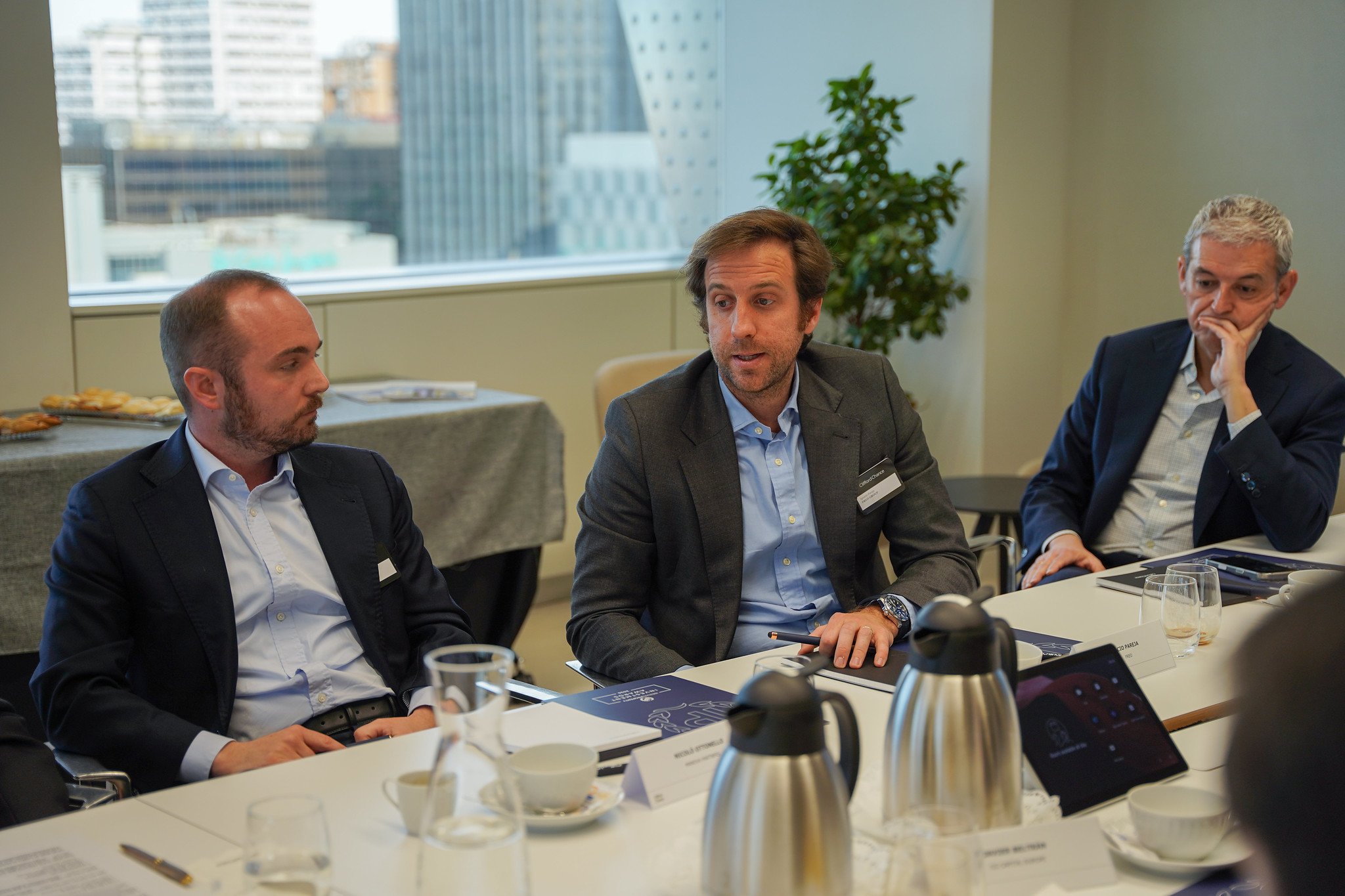
This bifurcation is echoed by Nicolò Ottonello, Transaction Manager Southern Europe at Manova Partners, who noted that “everyone is chasing the same few assets” in prime locations, leading to intense competition and sustained pricing. At the same time, banks remain highly selective in new lending but more supportive in refinancing situations, helping to explain the limited levels of distress in the market.
Even so, structural challenges are emerging on the exit side. Luis Bueno pointed out that large portfolio transactions have become increasingly difficult. While individual assets, particularly prime, continue to transact, the lack of institutional capital for large-scale acquisitions creates a constraint for value-add investors, who must carefully consider exit liquidity at the point of entry.
This growing complexity is also reflected in transaction processes. Gabriel Cabello observed that investors are now “much more exhaustive and sophisticated”, incorporating forward-looking variables such as capex, ESG requirements and regulatory compliance into their analysis. The question is no longer just about current performance, but about how assets will evolve over the holding period and whether they will remain competitive at exit.
Opportunities, however, are still emerging from this dislocation. Carlos Portocarrero pointed to potential strategies around European consolidation or for companies break-up, leveraging the gap between public market valuations and underlying asset values.
At the more distressed end of the spectrum, Pablo Rodríguez Fominaya acknowledged that some assets, particularly in peripheral locations, are approaching situations where, after factoring in capex and leasing risks, value can become effectively negligible. However, the absence of forced sales, supported by cooperative lenders, has limited visible distress. “If you can hold, you tend to do so... many times to not send a pessimistic message to the market,” he noted, explaining why the market has not yet seen significant repricing through transactions.
This reality was reinforced by Ignacio Pareja, who pointed to specific cases of assets with negative net operating income, requiring ongoing equity injections with limited prospects for recovery. In such scenarios, “change of use may become the only solution,” highlighting the structural challenges facing certain segments of the market.
A sector evolving towards service and flexibility?
The discussion ultimately returned to occupier behaviour and the evolution of the office product itself. Fernando Ramírez argued that flexible office space should not be seen as a fundamentally different asset class, but rather as a different way of delivering the same product. “The raw material is the same...it is an office,” he explained, with the key distinction lying in the service-based model.
Operationally, this model aligns more closely with hospitality than with traditional leasing. In Madrid’s CBD, LOOM is achieving “around 88% occupancy and €500 per workstation,” equivalent to approximately €50/m²/month. More significantly, demand is increasingly coming from large corporates seeking simplicity and flexibility. “They tell us: take care of everything,” referring to fit-out, operations and lease management, allowing occupiers to avoid real estate complexity and focus on their core business.
This shift reflects a broader change in occupier expectations, where convenience and service quality are becoming central decision factors. “Comfort drives behaviour,” he noted, highlighting how turnkey solutions are gaining traction across tenant profiles. At the same time, this model introduces a new level of operational discipline: “if the service fails, the client leaves, it is like cancelling Netflix,” reinforcing the need for consistently high service standards.
In this context, the future of the office sector may be defined not only by supply, demand or capital flows, but by its ability to adapt to a more service-oriented paradigm where flexibility, user experience and operational excellence become as important as location and rent.