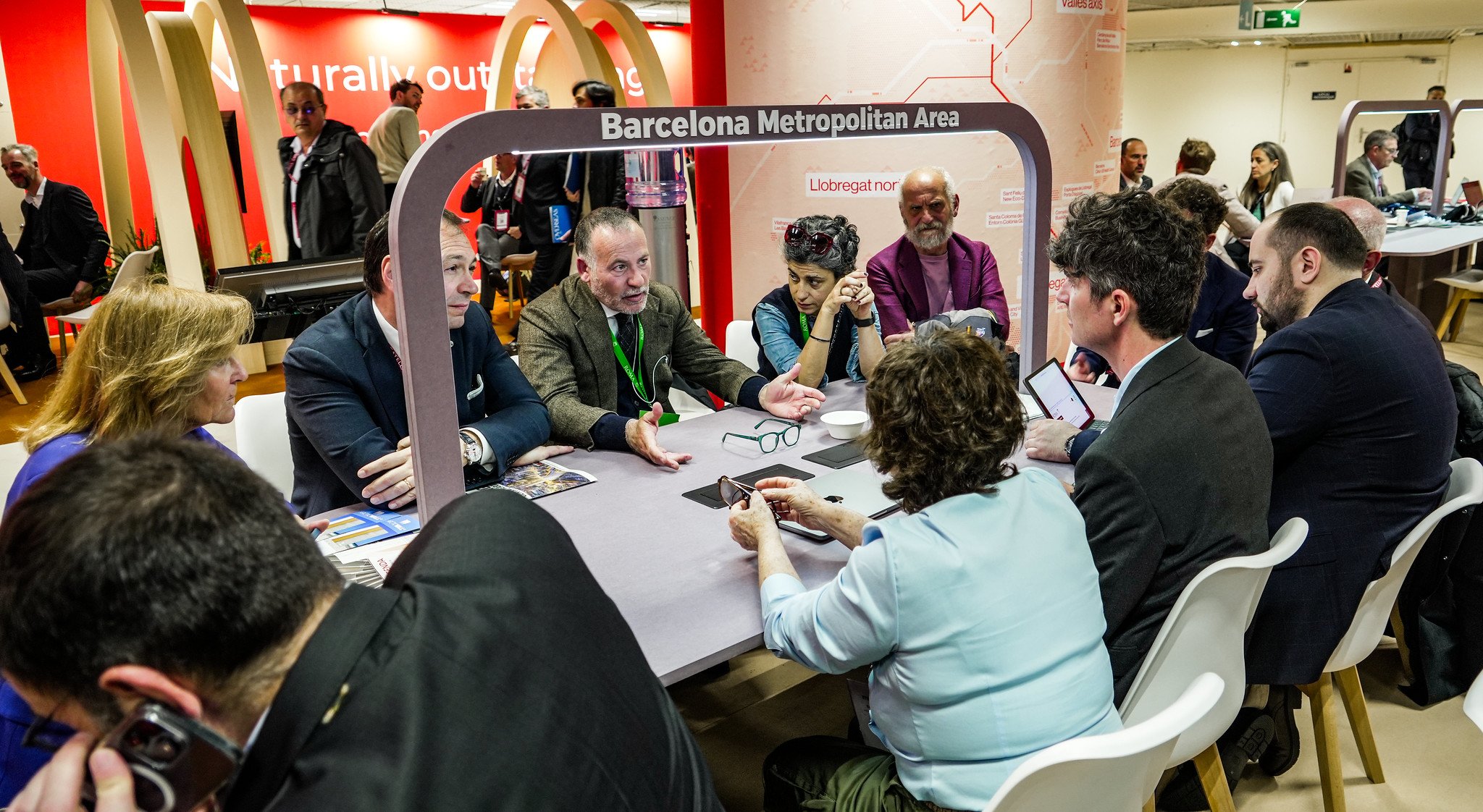
BARCELONA CATALONIA AT MIPIM 2026
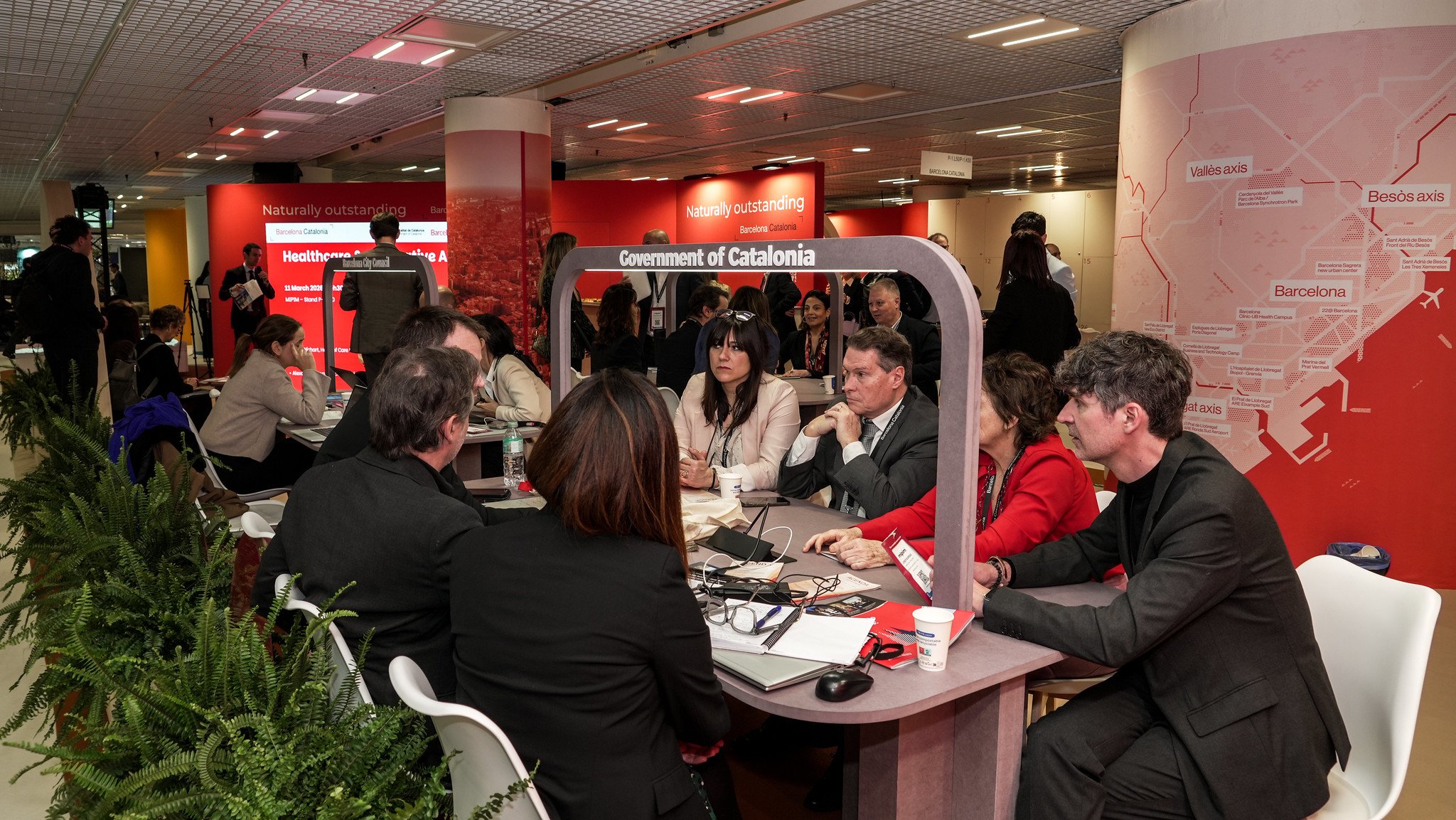
DAY 1 - MIPIM, CANNES 2026
Barcelona Catalonia returned to the Palais des Festivals in Cannes in 2026 with a strong institutional presence and a clear strategic message for international investors. From 10 to 12 March, at MIPIM the Barcelona Catalonia Pavilion (Stand P-1.K50) is hosting a programme of Investor Talks powered by Iberian Property, bringing together public authorities, investors, developers and corporates to explore how the region is positioning itself within a changing European real estate cycle.
Backed by the Generalitat of Catalonia through INCASÒL, Barcelona City Council and the Metropolitan Area of Barcelona (AMB), the platform aims to present not simply individual projects, but a coordinated narrative around land mobilisation, housing delivery, innovation clusters and metropolitan growth.
The first day of discussions confirmed how closely these themes are now interconnected. Across five sessions – ranging from waterfront innovation and office investment to housing policy and metropolitan regeneration – a recurring message emerged: Barcelona’s economic competitiveness increasingly depends on aligning real estate development with broader structural challenges such as talent attraction, affordability and urban transformation.
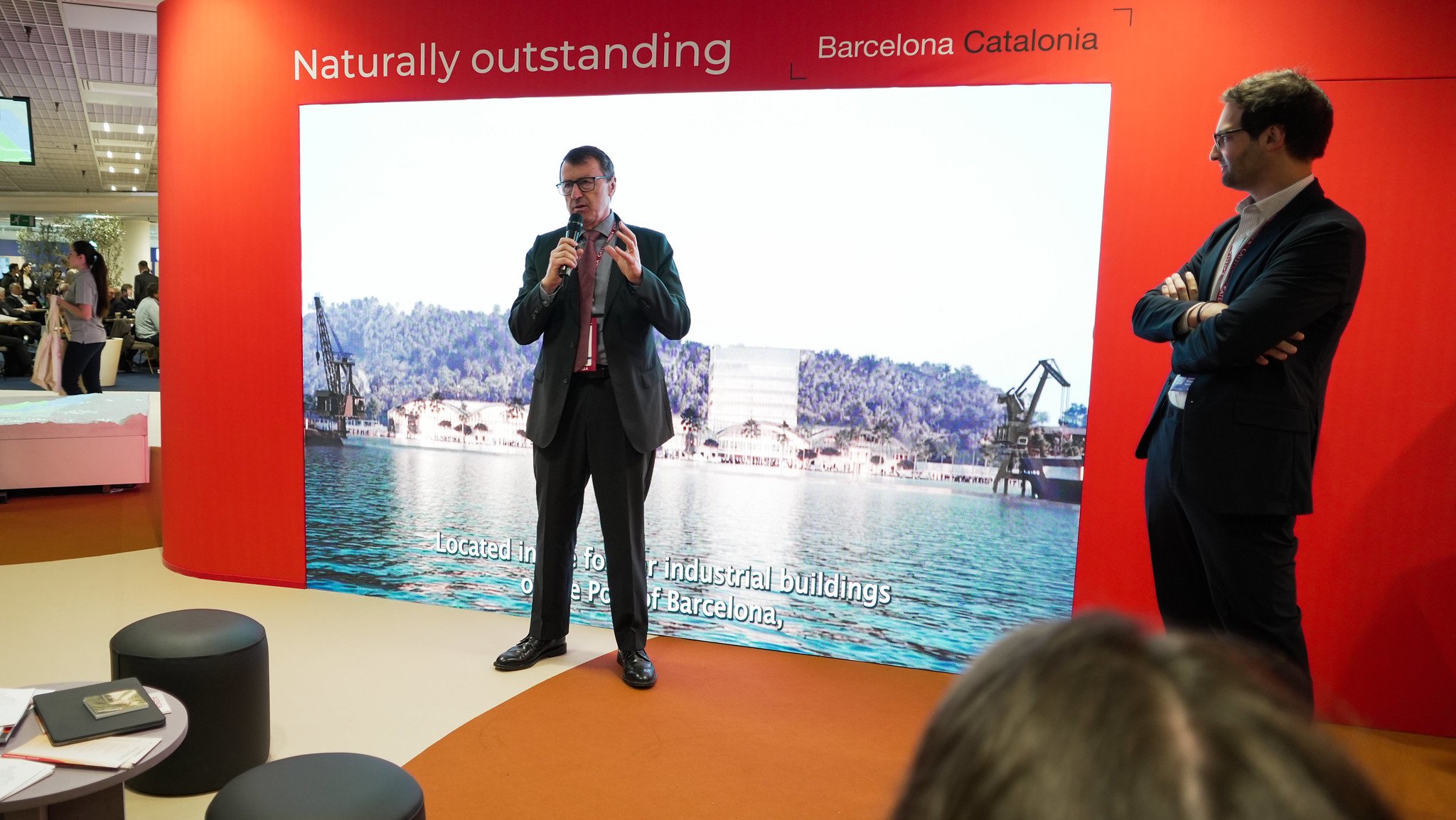
BlueTechPort: reinforcing Barcelona’s maritime innovation ecosystem
The programme opened with a conversation on BlueTechPort, the new innovation hub currently under construction at the Port of Barcelona. The project will transform the historic Sant Bertran warehouses into a 25,000 sqm campus dedicated to the blue economy, capable of accommodating around 2,500 professionals once completed.
For Carles Anglada, CEO of World Trade Center Barcelona, the initiative should be understood less as a conventional office development and more as a strategic economic cluster. The goal is to strengthen Barcelona’s maritime innovation ecosystem by bringing together scale-ups, corporates, research institutions and energy transition companies linked to the blue economy.
The location within the operational port environment is central to that vision. Proximity to maritime infrastructure provides companies with direct access to logistics activity, testing environments and industrial capabilities that inland innovation districts cannot replicate. In this sense, BlueTechPort is designed not simply as workspace but as a platform for companies operating at the intersection of technology, maritime activity and environmental transition.
From an architectural perspective, the project also illustrates how Barcelona continues to reinterpret its industrial heritage through contemporary design. Luis Bellera, Partner at B720 Arquitectos explained how the redevelopment preserves the distinctive structure of the port warehouses while introducing a new floating volume above the existing roofline, creating a visible landmark on the waterfront.
Inside, the building will be organised through a sequence of flexible workspaces and interior plazas connected horizontally across the structure, maximising natural light and ventilation while allowing the building to accommodate both office-based activities and more technical research functions.
Sustainability considerations are also deeply embedded in the project’s design. Through energy-efficient systems, solar generation and water management strategies, the building is expected to consume around 40% less energy than traditional office buildings while generating approximately 60% of its own energy needs. Extensive use of wood and sustainable materials further reinforces the ambition to position the project as a new model for the rehabilitation of industrial assets.
Beyond the physical building itself, BlueTechPort signals Barcelona’s broader ambition to consolidate its position as a Mediterranean hub for maritime innovation and blue economy industries.
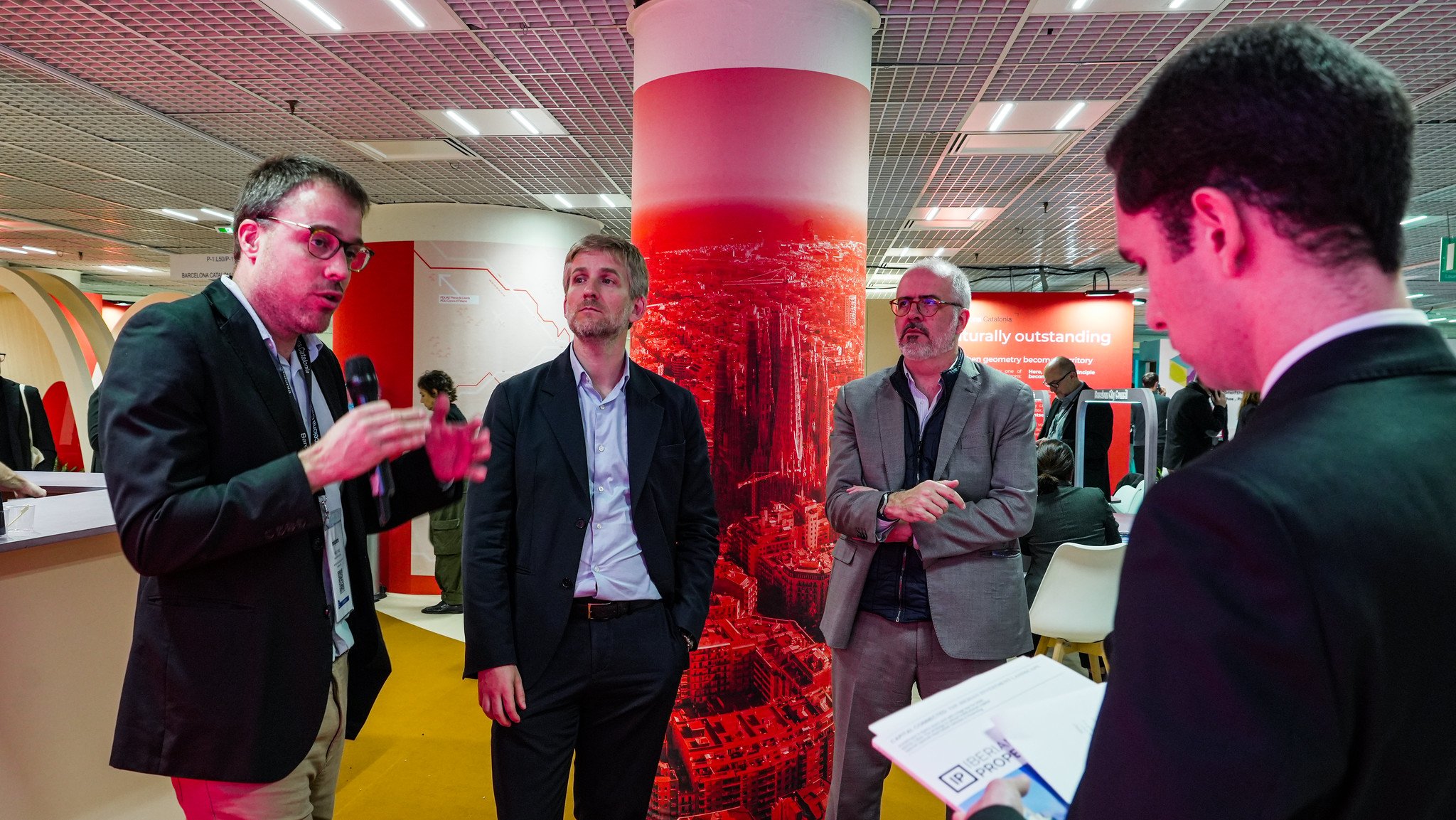
Offices in transition: where the asset class still works
The discussion then moved from the waterfront to the evolution of the office market, examining how Barcelona’s workplace districts are adapting to a European environment characterised by repricing, repositioning and selective recapitalisation.
Marc Unió Puig, Head of International Promotion at Barcelona City Council, reflected on the transformation of 22@, widely considered one of Europe’s most ambitious urban regeneration projects. Originally conceived as a former industrial district converted into a technology and innovation hub, the area has attracted major corporate occupiers and helped position Barcelona as a leading Southern European tech ecosystem.
However, Unió emphasised that the city’s office geography extends well beyond 22@. Emerging nodes such as La Marina del Prat Vermell and the La Sagrera redevelopment area illustrate how Barcelona continues to diversify its employment centres, distributing economic activity across multiple districts rather than concentrating it in a single cluster.
From an investment perspective, the panel revealed diverging strategies within the current market cycle. Victor Iborra, Partner at Meridia Capital, acknowledged that while the firm has historically invested in the office sector, it is currently prioritising other asset classes. In his view, rental growth expectations remain relatively subdued and exit strategies may be more complex in the short term.
By contrast, Nuno Nunes, CIO of Square Asset Management, argued that the current environment may present opportunities for investors with a longer time horizon. As a fund that often targets pricing dislocations, Square AM sees potential in assets where the repricing process has created entry points that were previously unavailable. In this context, tenant covenant strength and building quality become decisive factors. Investors are increasingly selective, favouring assets with resilient occupiers and strong fundamentals rather than relying on broader market growth.
Another issue raised during the discussion was the connection between office demand and housing availability. Participants acknowledged that Barcelona’s ability to attract companies and talent could ultimately be constrained if residential supply fails to keep pace with economic expansion – a theme that would become central in the sessions that followed.
Housing as enabling infrastructure for Barcelona’s growth
The afternoon sessions shifted the focus towards housing, framing the residential sector not only as a social challenge but also as a critical piece of economic infrastructure.
Elena Amat, Manager of Metropolitan Coordination and Major City Transformations at Barcelona City Council, outlined the city’s strategic response through Pla Viure, a long-term housing framework aimed at increasing supply and improving affordability.
Access to housing has become one of the most pressing concerns for Barcelona residents, with recent municipal surveys placing it among the city’s top challenges. In response, Pla Viure seeks to expand the stock of subsidised housing, mobilise public land for development and strengthen collaboration with both private developers and non-profit organisations.
The plan targets the delivery of approximately 1,000 new subsidised homes per year, while broader regeneration initiatives aim to improve the quality and sustainability of existing housing stock. The city is also exploring mechanisms to activate vacant plots and accelerate development through new institutional structures designed to streamline procedures and coordinate land mobilisation.
Public land plays a particularly important role in Barcelona’s housing strategy. In recent years, a significant proportion of new social housing projects have been built on municipal plots, reinforcing the city council’s capacity to influence development pipelines.
Initiatives such as HabitarB!, a partnership between the city council and INCASÒL, further illustrate how public-private cooperation is expected to expand housing delivery. Through this framework, municipal land is transferred for the development of subsidised housing projects while private developers contribute construction expertise and capital.
From the perspective of international investors, however, the regulatory framework remains a key factor in evaluating opportunities. Raúl Blasco, Director at Bialto, confirmed that Barcelona’s demographic and economic fundamentals remain attractive. The company manages around 4,000 rental housing units across Spain, with roughly 10% located in Catalonia, demonstrating continued exposure to the region.
Nevertheless, he acknowledged that regulatory clarity – particularly regarding rent indexation mechanisms – plays an important role in shaping investment decisions. While institutional investors are capable of combining affordability objectives with long-term returns, they require visibility regarding development margins, financing structures and the overall regulatory environment.
The discussion ultimately highlighted a delicate balance: ensuring access to housing while maintaining conditions that allow capital to participate in large-scale residential delivery.
Roca City: corporate commitment shaping metropolitan growth
Beyond Barcelona’s urban core, the metropolitan area is also undergoing significant transformation. This dynamic was explored through the presentation of the Roca City project, a large-scale redevelopment of the former Roca factory site between Viladecans and Gavà.
The project represents a distinctive model of corporate-anchored urban regeneration. The relocation of the Roca Group’s global headquarters to the site will serve as the economic cornerstone of the new district, combining employment activity, innovation spaces and residential development.
According to Richard Calle, First Deputy Mayor of Viladecans, the company’s presence provides a powerful signal for investors. Around 85% of the land involved in the project belongs to the Roca Group, a multinational company with annual revenues exceeding €2 billion, significantly reducing uncertainty around the long-term viability of the development.
The project will ultimately deliver 2,700 homes, of which 40% will include some form of protected housing, alongside innovation centres, co-working environments and office spaces linked to the broader Roca ecosystem. The development will also integrate an eight-hectare urban park, contributing to the environmental regeneration of the former industrial site.
For Jordi Tort, Deputy Mayor of Gavà, the key challenge lies in ensuring balanced growth between residential and economic components. The housing programme is therefore being phased alongside the development of employment spaces, avoiding the risk of creating a purely residential enclave disconnected from economic activity.
Cross-municipal coordination has also been essential to the project’s progress. Viladecans and Gavà have worked to align their planning frameworks and infrastructure strategies in order to simplify administrative processes and provide greater certainty for investors.
Beyond its immediate scale, Roca City illustrates how metropolitan municipalities are increasingly positioning themselves as strategic partners in Catalonia’s broader development agenda.
Scaling new living models across Catalonia
The final session of the day expanded the housing discussion to the regional scale, examining how Catalonia is integrating living models into its residential strategy.
Pere Picorelli, Director of Housing and Building at INCASÒL, explained that multiple formats are becoming increasingly relevant as the region seeks to attract different types of citizens such as international students, researchers and mobile professionals. These segments once viewed as niche markets, are now also an important part for Catalonia’s economic competitiveness.
To address the region’s housing shortage, the Catalan government is developing a framework that combines land mobilisation, financial incentives and partnerships with private developers and institutional investors. Support mechanisms include subsidies, rent stabilisation measures and access to fixed-rate financing lines designed to improve project viability and stabilise investor cash flows.
INCASÒL occupies a unique position within this ecosystem. As the government’s land and housing agency, it simultaneously manages public land, develops projects and retains ownership of certain assets. This multi-faceted role allows the organisation to share many of the same challenges faced by private developers, from construction costs to financing conditions. Reflecting the scale of the commitment, Picorelli confirmed that INCASÒL has committed around €2 billion in housing investment over the coming years.
From the private sector perspective, Manel Rodríguez, CEO of SALAS Group and Director of ALAS Affordable Housing, emphasised the need for greater market consolidation. Spain’s residential sector remains highly fragmented, with large numbers of individual property owners rather than institutional operators.
Rodríguez argued that the future of affordable housing in Catalonia depends on the emergence of larger investment platforms capable of holding assets over the long term. While development-focused investment tends to involve shorter cycles and quicker asset rotation, what the market increasingly requires is patrimonial capital willing to maintain stable portfolios.
Through ALAS Affordable Housing, he noted, projects can still achieve return of around 7%, demonstrating that affordability and financial viability can coexist when developments reach sufficient scale.
Both speakers ultimately converged on a common conclusion: the challenge facing Catalonia is not simply regulatory or financial, but one of volume. Addressing the housing shortage will require significantly higher levels of delivery, supported by coordinated action between public institutions, developers and long-term investors.
DAY 2 - MIPIM, CANNES 2026
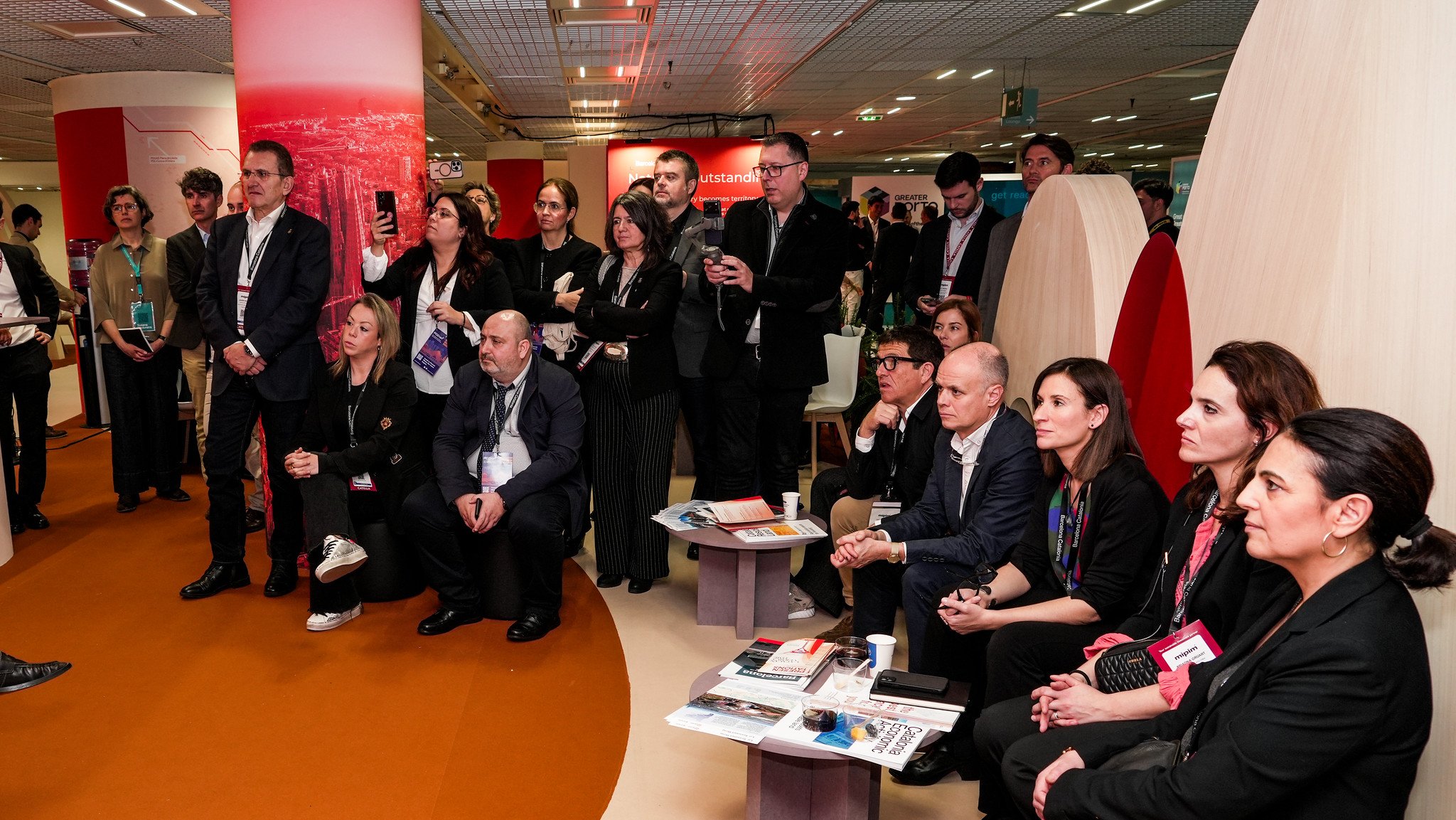
The second day of discussions at the MIPIM continued to showcase how Catalonia is positioning itself at the intersection of urban regeneration, institutional capital and science-driven innovation. Across five sessions — four hosted at the Barcelona Catalonia stand and one within the MIPIM official conference programme — policymakers, investors and planners explored how metropolitan projects are evolving from isolated developments into integrated urban ecosystems.
From the transformation of industrial waterfronts to the institutionalisation of retail capital, and from digital infrastructure to life sciences clusters, the debates highlighted a region increasingly focused on long-term structural competitiveness.
Healthcare & Alternative Assets: a game of operational expertise
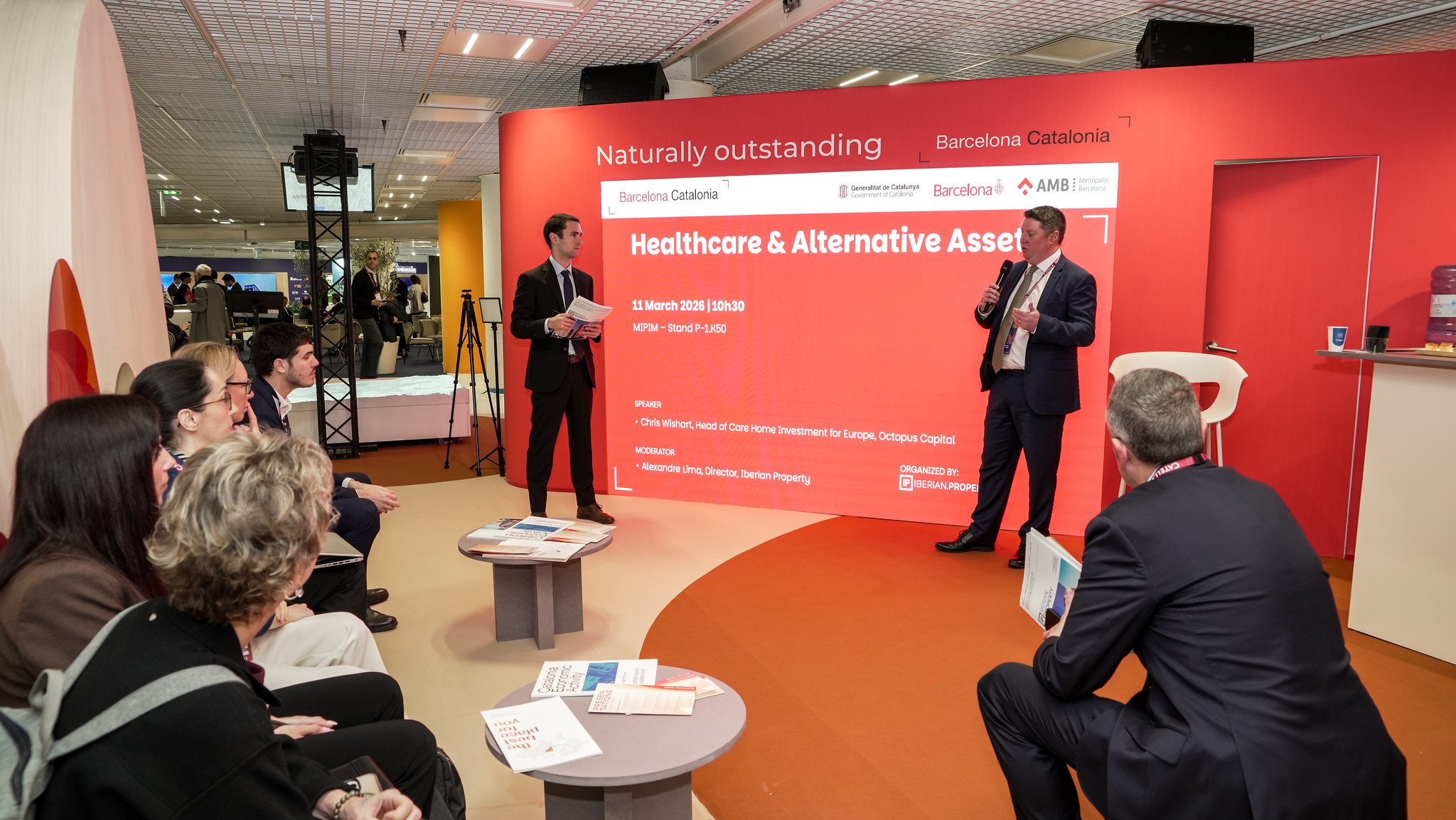
Day two at the Barcelona Catalonia Pavilion opened with a discussion on healthcare real estate, a sector that across Europe is rapidly shifting from a niche alternative strategy into a structural institutional asset class. Interviewed at the Investor Talks powered by Iberian Property, Chris Wishart, Head of Care Home Investment for Europe at Octopus Capital, offered a European perspective on how ageing demographics are reshaping real estate allocation strategies and why Spain is attracting investor attention.
Octopus Capital manages one of the largest care home investment platforms in the United Kingdom and has historically focused on long-term partnerships with specialised operators. The group is now preparing to expand that strategy into Spain, with the ambition to deploy up to €1.5 billion in healthcare real estate over the coming years through an open-ended fund structure backed by institutional investors such as pension funds and insurance companies.
For Wishart, the investment thesis begins with a structural imbalance between demographic demand and available supply. Spain, like much of Southern Europe, faces a rapidly ageing population but still lacks sufficient modern care facilities. This shortage, he argued, creates along-term development pipeline rather than a saturated market, particularly in regions such as Catalonia where urban density and healthcare infrastructure are already well established.
Octopus’ approach in Spain is expected to focus primarily on forward-funding new developments, reflecting the limited availability of institutional-grade standing assets. The firm’s strategy is also deliberately structured around a landlord model, partnering with experienced care operators who manage the day-to-day service provision while the fund focuses on the underlying real estate.
In this sector, however, the operational component is often more critical than the physical building itself. According to Wishart, evaluating the strength, experience and financial stability of operators is therefore a central part of the underwriting process. Markets with mature operator ecosystems and transparent regulatory frameworks tend to attract institutional capital more easily, as investors can rely on long-term operational stability.
Comparing Spain with more established healthcare investment markets such as the UK, France or Germany also reveals structural differences in lease structures. In the UK, care home leases can extend to 30–35 years, providing strong long-term income visibility for investors. In Spain, by contrast, lease agreements typically range closer to 15 years, reflecting a younger and less institutionalised market.
The conversation also addressed the financial parameters shaping investment decisions. While prime theoretical yields for healthcare assets are sometimes discussed at around 5.15%, Wishart suggested that in practice, development projects in Spain are more realistically underwritten at 6–7% yields, particularly when factoring in construction costs, capex requirements and operational risk.
However, Wishart also noted that several conditions would need to evolve for Spain — and Catalonia in particular — to reach the maturity levels seen in Northern European healthcare markets. Greater regulatory clarity, stronger operator platforms, improved financing conditions and deeper institutional liquidity would all contribute to building a more scalable investment environment.
Sant Adrià de Besòs: from industrial waterfront to audiovisual and digital hub
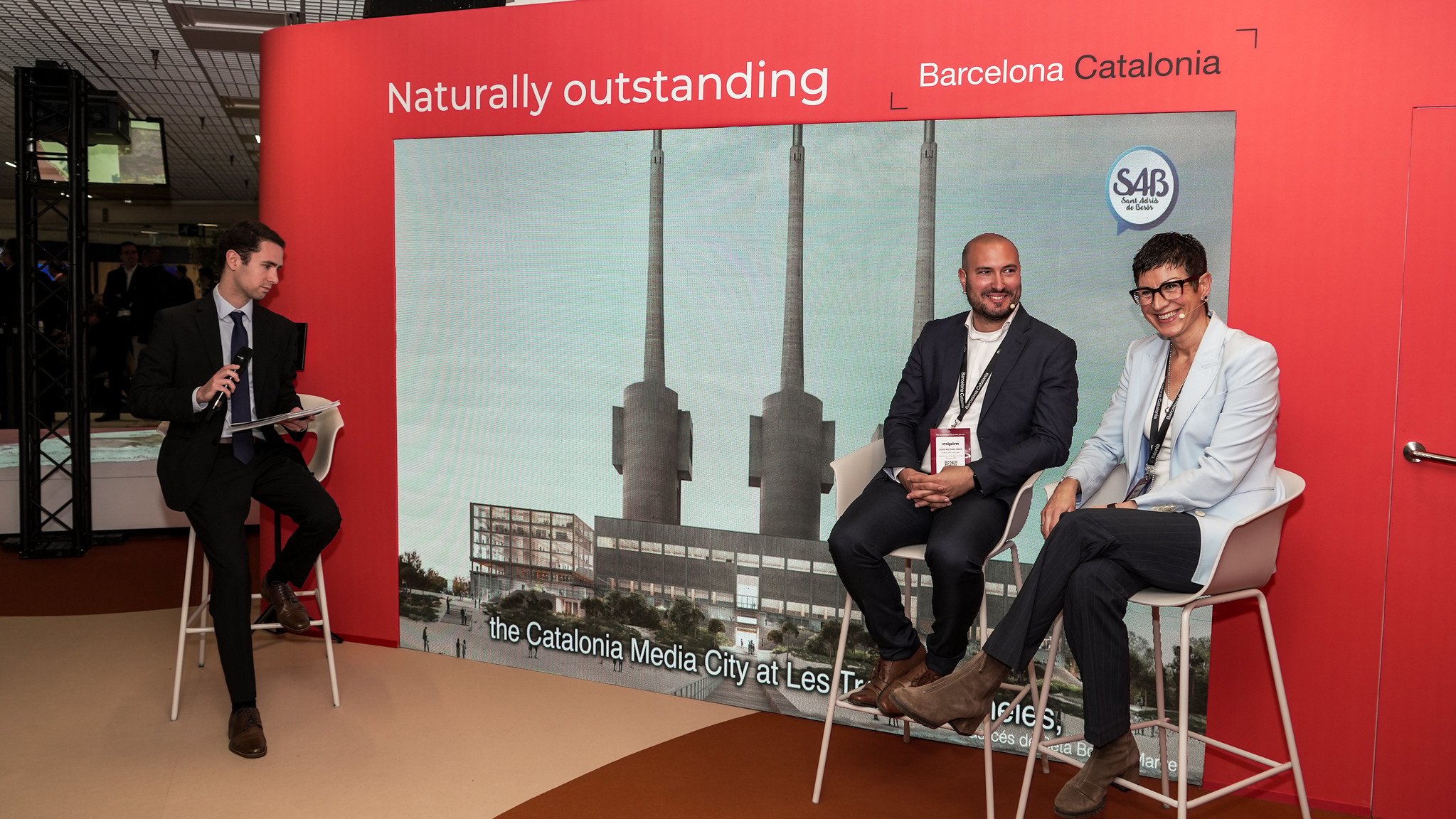
Urban regeneration took centre stage in the morning session dedicated to the transformation of Sant Adrià de Besòs, a city historically shaped by heavy industry that is now repositioning itself within Barcelona’s metropolitan economy. In a conversation with the Mayor Filo Cañete and with José Antonio Gras Councillor for Sustainable Territory & Environment, the municipality shared its strategy to transform former industrial land into a new innovation district.
At the centre of this transformation stands the redevelopment of the iconic Tres Xemeneies, whose three chimneys have long been one of the most recognisable landmarks on Barcelona’s northern waterfront. The site is set to become Catalunya Media City, the flagship of Catalonia’s audiovisual industry strategy.
The wider regeneration programme is extensive. The project covers more than 285,000 square metres of development, combining residential neighbourhoods with economic activity and public facilities. Plans include 1,700 new homes — around 40% of them public housing — and nearly 100,000 square metres of productive space aimed at attracting companies linked to creative industries, technology and services.
For local authorities, the project reflects a broader philosophy: thinking in terms of urban ecosystems rather than isolated developments. As the mayor explained, Sant Adrià currently manages six major urban projects simultaneously, all designed to reinforce each other and reposition the municipality within the metropolitan structure.
Large corporate commitments are already reinforcing this strategy. The decision by Inditex to locate several corporate headquarters in the municipality is expected to generate employment while strengthening the emerging business cluster.
However, the transformation of Sant Adrià extends well beyond the audiovisual sector. The municipality is also positioning itself as a strategic node within the Mediterranean’s digital infrastructure network. The Barcelona Cable Landing Station will connect the city to global data routes through systems such as Medusa submarine cable system and 2Africa submarine cable system, offering some of the lowest latency routes between Europe, Africa and the Middle East.
Supporting this infrastructure is a new data centre operated by Digital Realty, designed as a Tier III+ hyperscale facility with 15 MW of IT capacity and strong environmental credentials including advanced water recycling systems and free-cooling technologies.
Taken together, the audiovisual hub, digital infrastructure and residential expansion illustrate how Sant Adrià is transitioning from an industrial periphery into one of the most dynamic redevelopment corridors in the Barcelona metropolitan area.
Retail real estate: resilience, liquidity and capital rotation
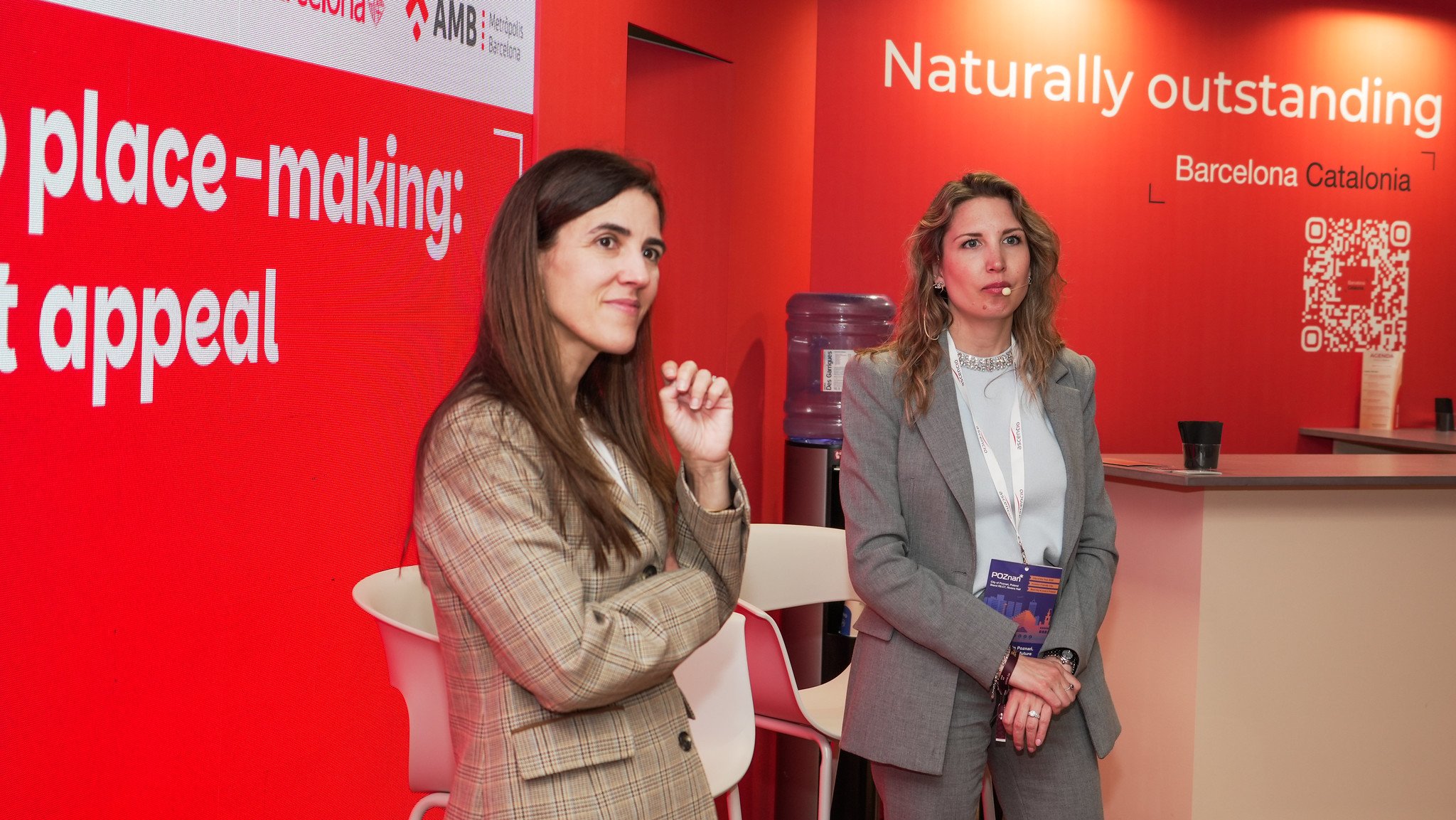
From urban regeneration the discussion moved to retail, exploring how the sector is evolving from transactional shopping space into curated destinations embedded in their catchment areas. The roundtable brought together Vanessa Gelado, Senior Managing Director and Head of Southern Europe at Hines, and Aurore Anbergen, Investor Relations at Ascencio, offering perspectives from both global institutional capital and listed real estate investment structures.
Vanessa Gelado argued that the retail sector has proven more resilient than many expected. For investors who entered the market at the right point in the cycle, the current environment confirms the validity of that strategy. Liquidity is returning and exit channels are functioning again, enabling investors to rotate mature assets and recycle capital.
Her perspective is particularly relevant given her dual role as Chairwoman of HLRE Socimi, the company created following the integration of Lar España with Helios RE Socimi after the takeover led by Hines and Grupo Lar. The platform now manages a retail portfolio valued at around €1.34 billion, financed through an €810 million refinancing agreement with Morgan Stanley and Banco Santander. Recent disposals of mature assets illustrate the company’s strategy of optimising its portfolio while maintaining exposure to strong retail fundamentals.
From the perspective of Belgian REIT Ascencio, Spain remains a strategic growth market, particularly in out-of-town retail parks and supermarket-anchored formats. Ascencio’s investment philosophy remains deliberately focused: supermarkets between 2,000 and 12,000 sqm, retail parks and clusters located on the outskirts of urban areas with strong catchment areas. Across Belgium, France and Spain, the company manages 100 properties totalling more than 442,000 sqm, generating over €53 million in annual rental income and maintaining occupancy levels close to 97%.
Despite the attractiveness of the Spanish market, access to opportunities remains challenging. Many assets are controlled by local owners or traded through off-market transactions, making entry difficult for new institutional investors. Nevertheless, both speakers agreed that the sector’s fundamentals remain strong, with rising footfall, improving tenant sales and stable occupancy levels supporting investor confidence.
Technology and life sciences real estate: pricing innovation-driven assets
After the lunch, Investor Talks shifted to the rapid expansion of technology and biomedical industries is creating demand for a new generation of real estate assets. The conversation between Jordi Ortiz, FDI Director at Catalonia Trade & Investment, and Alfonso Medem, Senior Portfolio Manager of DeepLabs/ESIRE, explored whether Catalonia’s innovation ecosystem has sufficient depth to sustain long-term demand for laboratories, research campuses and specialised offices.
Catalonia has developed a strong life sciences cluster over the past decade, supported by universities, research centres and hospitals. Multinational companies such as Bayer and AstraZeneca have chosen Barcelona for significant research activities, reinforcing the city’s international positioning. Jordi Ortiz defended that this phenomenon expands beyond Barcelona itself, municipalities including Esplugues de Llobregat and cities such as Girona are also strengthening their role within the regional life sciences ecosystem.
From a real estate perspective, however, science-driven assets differ significantly from traditional office developments. According to Medem, laboratories require higher capital expenditure, specialised infrastructure and longer development cycles, meaning investors must incorporate scientific expertise into their teams in order to properly evaluate projects.
Ventilation systems, energy requirements, laboratory equipment and technical specifications all influence investment decisions, making underwriting more complex than in conventional office markets. Because of this complexity, life sciences developments typically command higher return expectations, reflecting the additional risks associated with development timelines, capex intensity and tenant specialisation.
Catalonia’s institutional ecosystem plays an important role in mitigating these risks. Organisations such as Biocat actively promote the region’s biomedical sector internationally, while the regional government continues to develop financing tools to support early-stage companies and attract global investors. Looking ahead, the region’s innovation strategy extends towards 2035, aiming to consolidate Catalonia as one of Europe’s leading life sciences hubs.
Planning the biomedical city: Barcelona’s long-term vision
The final session of the day — part of the official conference programme — has been very much aligned with the previous topic, further expanding the discussion to the scale of metropolitan planning.
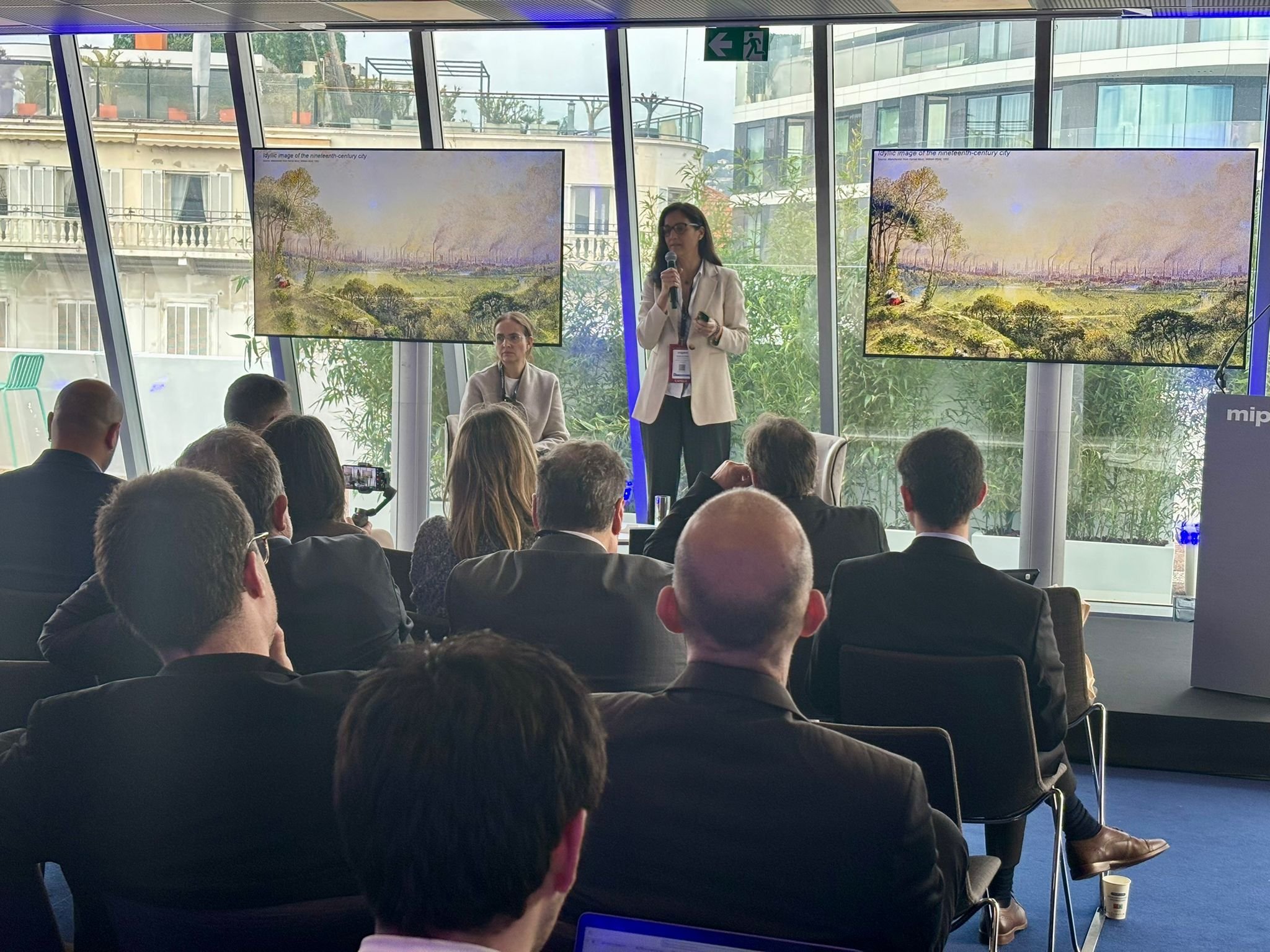
In a keynote titled “The New Biomedical Hub: Redefining Life Sciences in Barcelona Catalonia,” Bàrbara Pons presented the strategic vision of Barcelona Regional for integrating healthcare infrastructure into the city’s long-term urban development.
Rather than treating hospitals purely as medical facilities, Barcelona’s planning strategy views them as multi-layered urban infrastructure combining healthcare services, academic research, education and economic activity.
Two projects illustrate this approach: Porta Diagonal and the future Campus Clínic. The Campus Clínic project will relocate and expand the historic hospital complex into a much larger biomedical district designed to host hospitals, research centres and innovation companies. The first development phase will transform approximately 10 hectares, while the broader project could extend across up to 60 hectares spanning three municipalities within the metropolitan area. An international architectural competition will soon define the design of the campus, with construction expected to begin around 2030 and completion targeted for 2035.
DAY 3 - MIPIM, CANNES 2026
The final day of the Barcelona Catalonia programme at MIPIM concluded with a more compact agenda, yet one that captured several of the structural themes shaping the region’s long-term development: metropolitan governance, science-driven urban growth and logistics infrastructure.
Lisbon and Barcelona: two Iberian cities navigating similar urban pressures
The morning opened with a dialogue between two cities that increasingly share similar urban challenges: Lisbon and Barcelona.
Moderated by Alexandre Lima, the discussion brought together Vasco Moreira Rato, Councillor for Urban Planning and Housing at the Lisbon City Council, and Elena Amat, Manager of Metropolitan Coordination and Major City Transformations at the Barcelona City Council.
Despite operating within different national frameworks, both cities face similar pressures linked to population growth, housing affordability and the need to maintain international competitiveness.
One of the first topics addressed was Lisbon’s position as Portugal’s capital city. According to Vasco Moreira Rato, the presence of national institutions, diplomatic representation and central government agencies naturally enhances the city’s international visibility and can facilitate investment promotion. However, he stressed that institutional status alone does not guarantee long-term success. Cities must continuously adapt to economic growth while ensuring that development benefits local residents. Managing housing affordability, urban regeneration and talent attraction therefore remains central to Lisbon’s strategy.
Urban transformation projects are an important part of that effort. The Lisbon councillor highlighted initiatives such as Unicorn Factory Lisboa, which has helped reposition former industrial areas into innovation districts supporting start-up activity and technology companies. Hosting the WEB Summit has been other of the big achievements highlighted as the openness of the city to foster dialogue and welcome foreign investors. At the same time, Lisbon continues to study international examples, including Barcelona’s 22@ District, widely recognised as one of Europe’s most ambitious urban regeneration programmes.
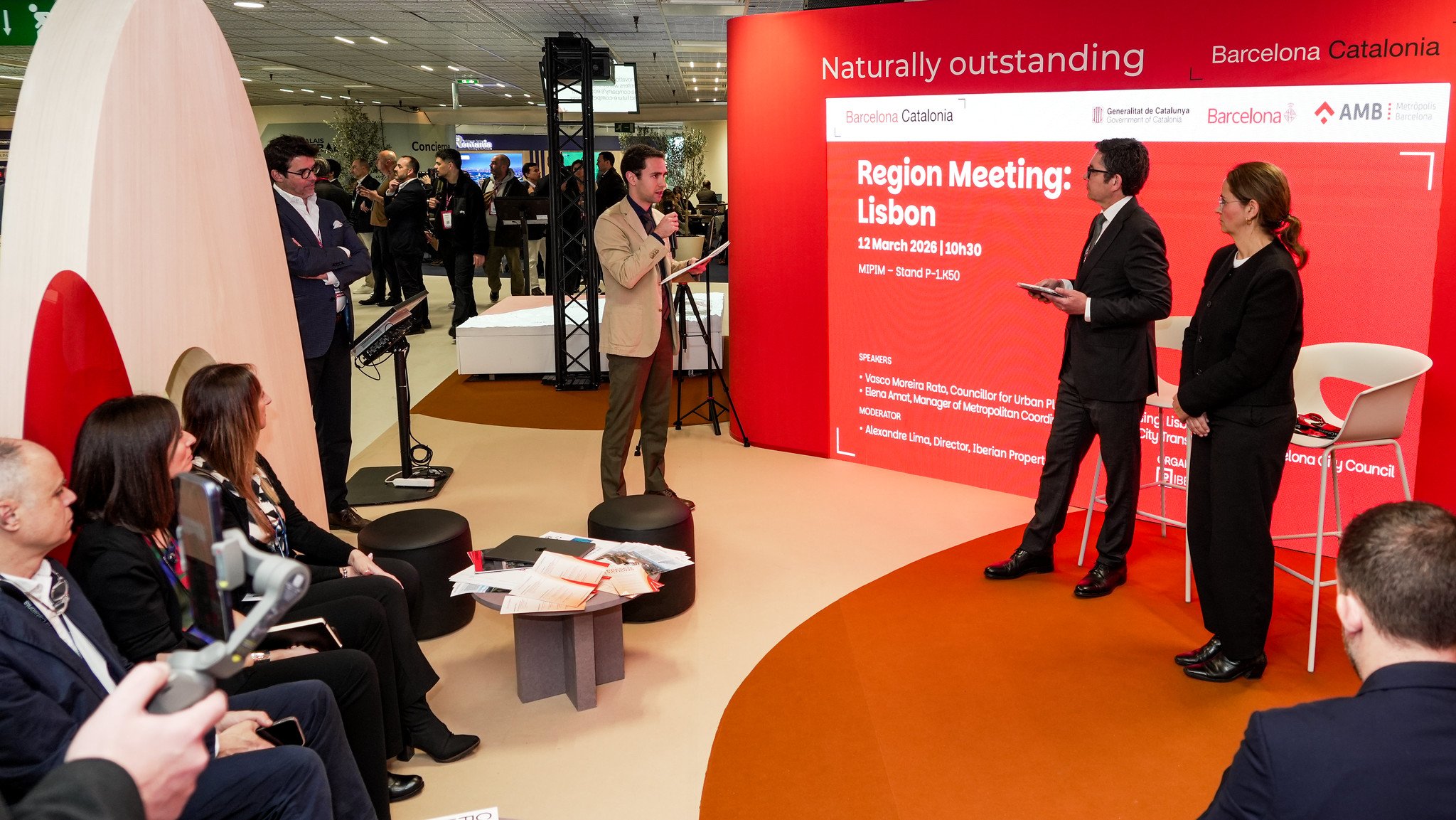
From Barcelona’s perspective, the strategic positioning differs. Elena Amat assured that the strength of the city's economic clusters, its global brand and the scale of its metropolitan region gather everything needed to become known by international investors. She further explained that Barcelona’s development strategy increasingly operates at the level of the broader metropolitan area, which encompasses 36 municipalities and around five million residents. Coordinating infrastructure, housing and economic activity across such a large territory inevitably adds complexity, but it also enables a more diversified urban system.
Land scarcity remains a particularly pressing challenge for Barcelona compared with Lisbon. Limited expansion corridors mean that urban planning must prioritise regeneration, density and the efficient use of existing land.
Housing affordability also emerged as a shared concern. Both cities are seeking ways to expand supply while maintaining conditions that allow private investment to remain viable. Achieving that balance is essential for attracting international capital while preserving social cohesion. Despite occasional competition for investment, Vasco Moreira Rato emphasised that cooperation across the Iberian Peninsula ultimately strengthens the region’s attractiveness. Investors prioritise stability and predictability, and stronger collaboration between cities such as Lisbon and Barcelona can reinforce the perception of Southern Europe as a reliable destination for long-term capital.
The conversation concluded by highlighting that both cities participate in Mayors for Housing, an alliance of 27 European cities working collectively to address housing shortages and advocate for stronger policy tools at the European level.
Parc de l’Alba: a science district shaping metropolitan growth
The following session focused on one of Catalonia’s most ambitious urban projects: Parc de l'Alba, presented by Carlos Cordón, Mayor of Cerdanyola del Vallès, in conversation with Ester Pujol, Director of Social and Economic Development at the Àrea Metropolitana de Barcelona (AMB).
Located just north of Barcelona, the project spans almost 400 hectares, making it one of the largest science-oriented urban developments in Southern Europe.
At the centre of the district stands the ALBA Synchrotron, a major scientific infrastructure already in operation and widely regarded as one of the most advanced research facilities in the Mediterranean.
For Catalonia’s development strategy, the synchrotron acts as a powerful anchor institution. By concentrating research infrastructure, academic institutions and private companies in the same area, policymakers aim to generate a critical mass capable of attracting laboratories, corporate R&D centres and technology start-ups. The project also benefits from its proximity to the Autonomous University of Barcelona and the Vallès Technology Park, creating a powerful innovation triangle linking research, education and business activity.
However, Parc de l’Alba is designed as far more than a research campus. The masterplan integrates housing, economic activity and environmental infrastructure into a single urban platform.
The development will include around 3,500 homes, many of them within public housing programmes, alongside 1.3 million square metres of space dedicated to economic activities. The objective is to create a balanced district where scientists, entrepreneurs and residents can live and work within the same environment. Green infrastructure also plays a major role - approximately 160 hectares will remain dedicated to green zones, preserving natural landscapes while connecting the district to surrounding ecosystems.
According to Cordón, the project is already moving from planning to implementation. Urbanisation works are underway across several areas of the development, with logistics plots already available for sale and land prepared for data centres and office buildings currently being marketed.
The next phase of development will focus on the residential component, reinforcing the ambition to transform the site into a fully integrated neighbourhood.
For Catalonia, Parc de l’Alba represents a flagship growth initiative that combines economic diversification with urban expansion. By integrating scientific infrastructure, housing and innovation activity, the district aims to strengthen the region’s knowledge economy while contributing to the wider metropolitan housing supply.

Catalonia’s logistics sector: growth, constraints and global competition
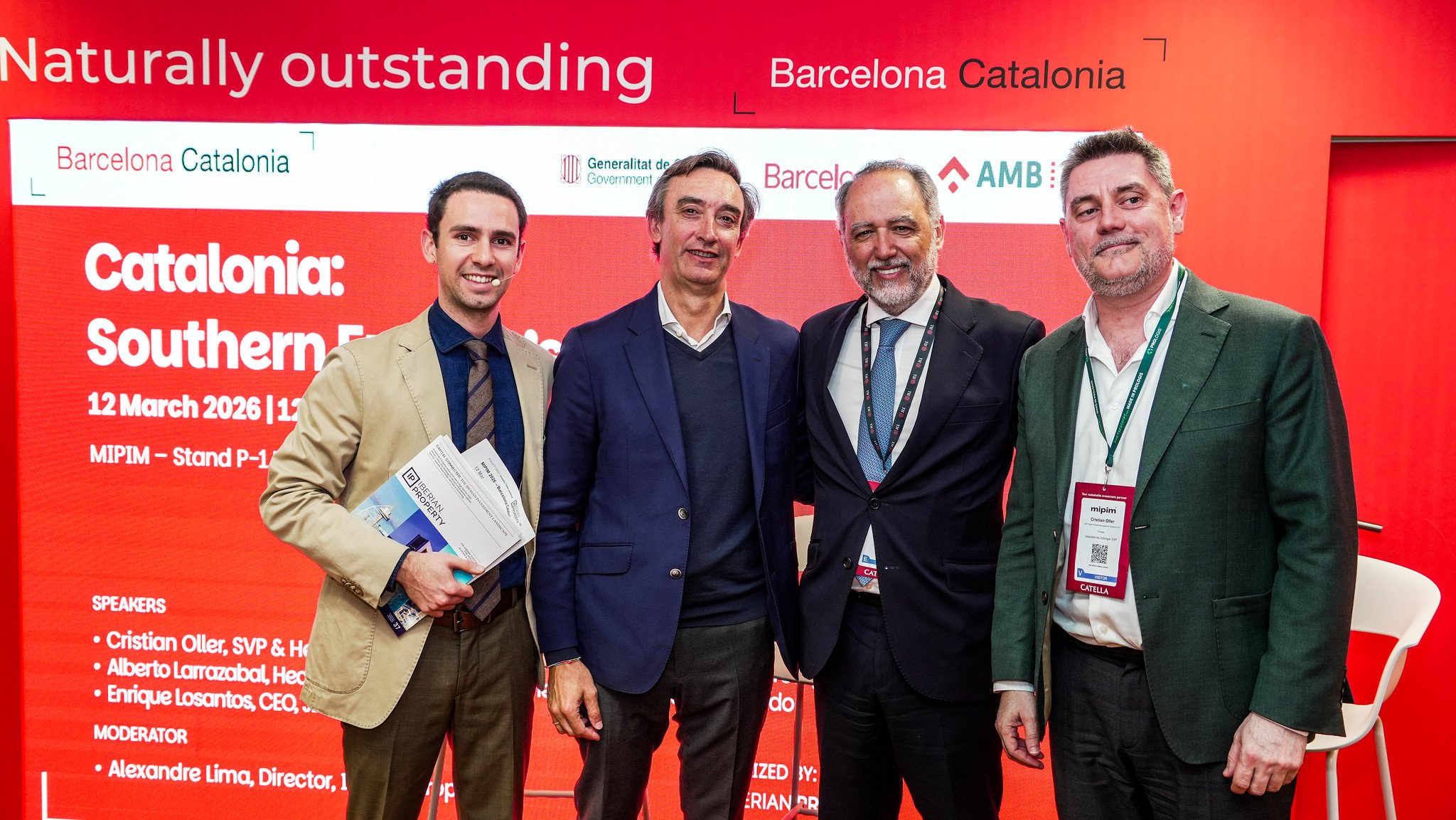
The final session of the programme turned to one of Catalonia’s most internationally competitive real estate sectors: logistics. The roundtable brought together Cristian Oller, SVP & Head of Asset Management for Southern Europe at Prologis, Alberto Larrazabal, Head of Investment and Business Development for Valfondo, and Enrique Losantos, CEO of JLL at Spain.
Catalonia’s logistics leadership is closely linked to its infrastructure network, particularly the Port of Barcelona, which acts as a critical gateway for international trade and supply chains. As Cristian Oller explained, this combination of port, rail, airport and highway connectivity makes Catalonia the leading logistics market in Spain. However, this success has also created new challenges.
The most pressing is land scarcity in the first logistics ring around Barcelona. Available space is extremely limited, creating a structural supply shortage that tend to push rents upward. While this scarcity benefits existing asset owners, it also encourages investors and occupiers to explore alternative locations such as Vallès, Tarragona and even Lleida.
From a capital markets perspective, Enrique Losantos noted that investment funds have been among the most active buyers in the region’s logistics sector. Many investors pursue a single-asset acquisition strategy and later aggregate properties into larger portfolioscapable of attracting institutional buyers. However, assembling large-scale logistics platforms can be challenging due to fragmented land ownership and the limited availability of large development plots.
Sustainability requirements are also reshaping development strategies. According to Larrazabal, speculative logistics development has become more complex as ESG standards and energy requirements increase construction costs. Developers increasingly incorporate renewable energy systems, electrification infrastructure and advanced building technologies. In many cases, these investments are partially shared with tenants to ensure that sustainability upgrades can be reflected in rental structures. Another emerging constraint concerns electricity capacity.
Among the agreed topics by the Speakers, the need to modernise Catalonia’s older logistics stock and to strengthen collaboration between public authorities and private developers was ranked at the top of priorities for long-term competitiveness of the region. Some municipalities still perceive logistics buildings as low-value warehouses, despite the sector’s evolution into highly technological operational centres supporting employment, automation and sustainable transport systems.
The competitive landscape is also increasingly international. While Catalonia remains Spain’s main logistics hub, the sector now competes directly with fast-growing markets in Poland and Slovakia, where land availability and development costs are often lower.
Looking towards the next decade, the panelists broadly agreed that Catalonia is likely to remain one of Southern Europe’s most important logistics platforms. However, maintaining that position will require continued investment in infrastructure, faster permitting processes and stronger public-private coordination to unlock new development opportunities.
A closing perspective
As the Barcelona Catalonia programme concluded at MIPIM, the final sessions reinforced many of the themes that had emerged throughout the week.
From metropolitan cooperation between the cities that form part of Catalonia, but even with Iberian peers such as Lisbon, to science-driven, healthcare and life-science urban developments, the strategic importance of offices to retain talent, retail adding value and quality of life to existing and new spaces, and finally to logistics infrastructure, the discussions illustrated how Catalonia is approaching urban development through an integrated economic lens.
Rather than presenting isolated real estate projects, the region’s institutional platform has consistently emphasised the importance of linking urban planning, infrastructure and innovation ecosystems into coherent long-term strategies.
In an increasingly competitive European landscape, that capacity for coordination may ultimately prove to be one of Catalonia’s most valuable assets.
Iberian Property was proud to guide the debate that generated these insights over the course of the week, and soon a dedicated Special Story will be available, featuring exclusive video interview and more in-detail projects shaping the future of the region.