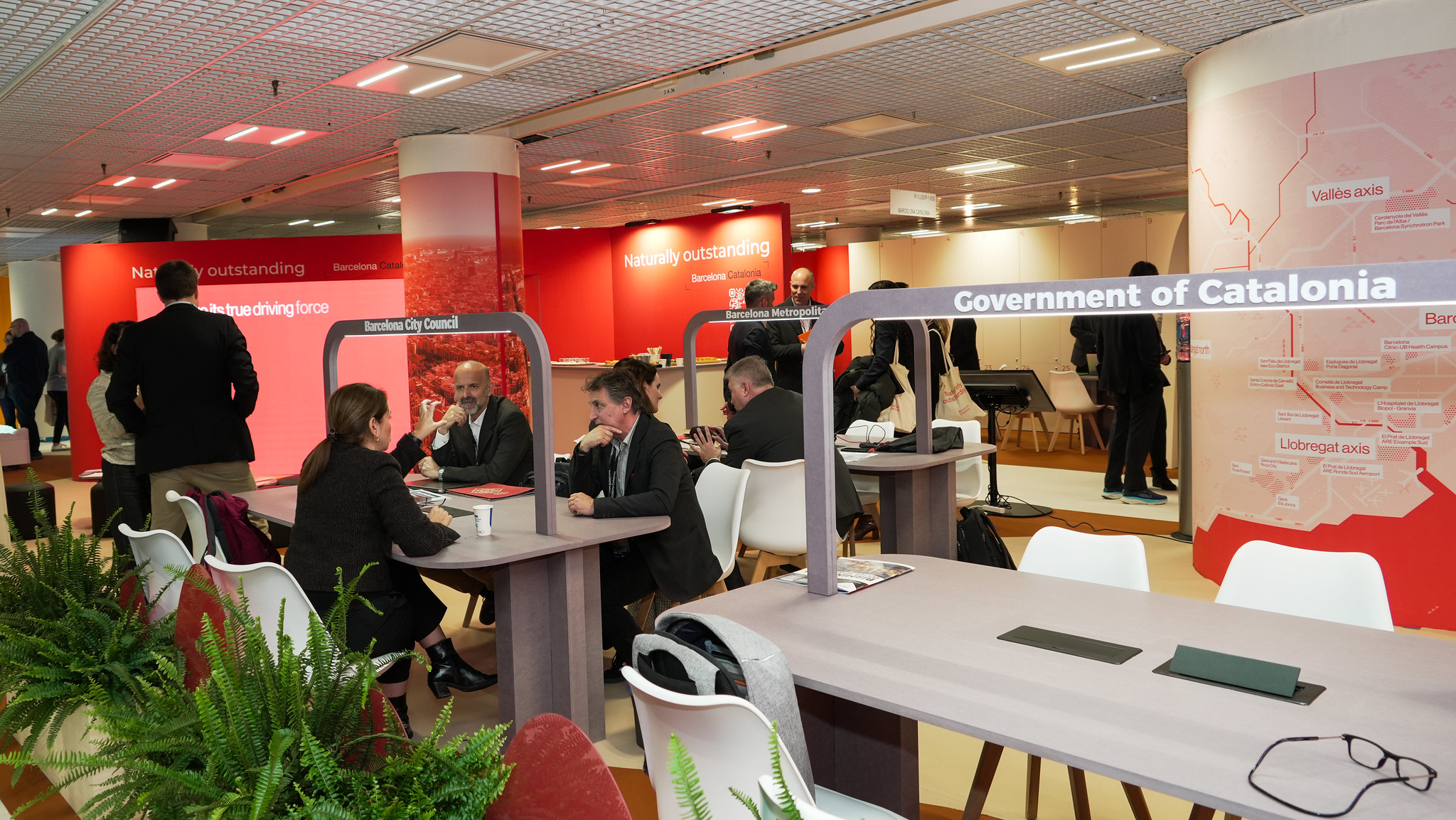


Barcelona Catalonia returned to the Palais des Festivals in Cannes this week with a strong institutional presence and a clear strategic message for international investors. From 10 to 12 March, at MIPIM the Barcelona Catalonia Pavilion (Stand P-1.K50) is hosting a programme of Investor Talks powered by Iberian Property, bringing together public authorities, investors, developers and corporates to explore how the region is positioning itself within a changing European real estate cycle.
Backed by the Generalitat of Catalonia through INCASÒL, Barcelona City Council and the Metropolitan Area of Barcelona (AMB), the platform aims to present not simply individual projects, but a coordinated narrative around land mobilisation, housing delivery, innovation clusters and metropolitan growth.
The first day of discussions confirmed how closely these themes are now interconnected. Across five sessions – ranging from waterfront innovation and office investment to housing policy and metropolitan regeneration – a recurring message emerged: Barcelona’s economic competitiveness increasingly depends on aligning real estate development with broader structural challenges such as talent attraction, affordability and urban transformation.
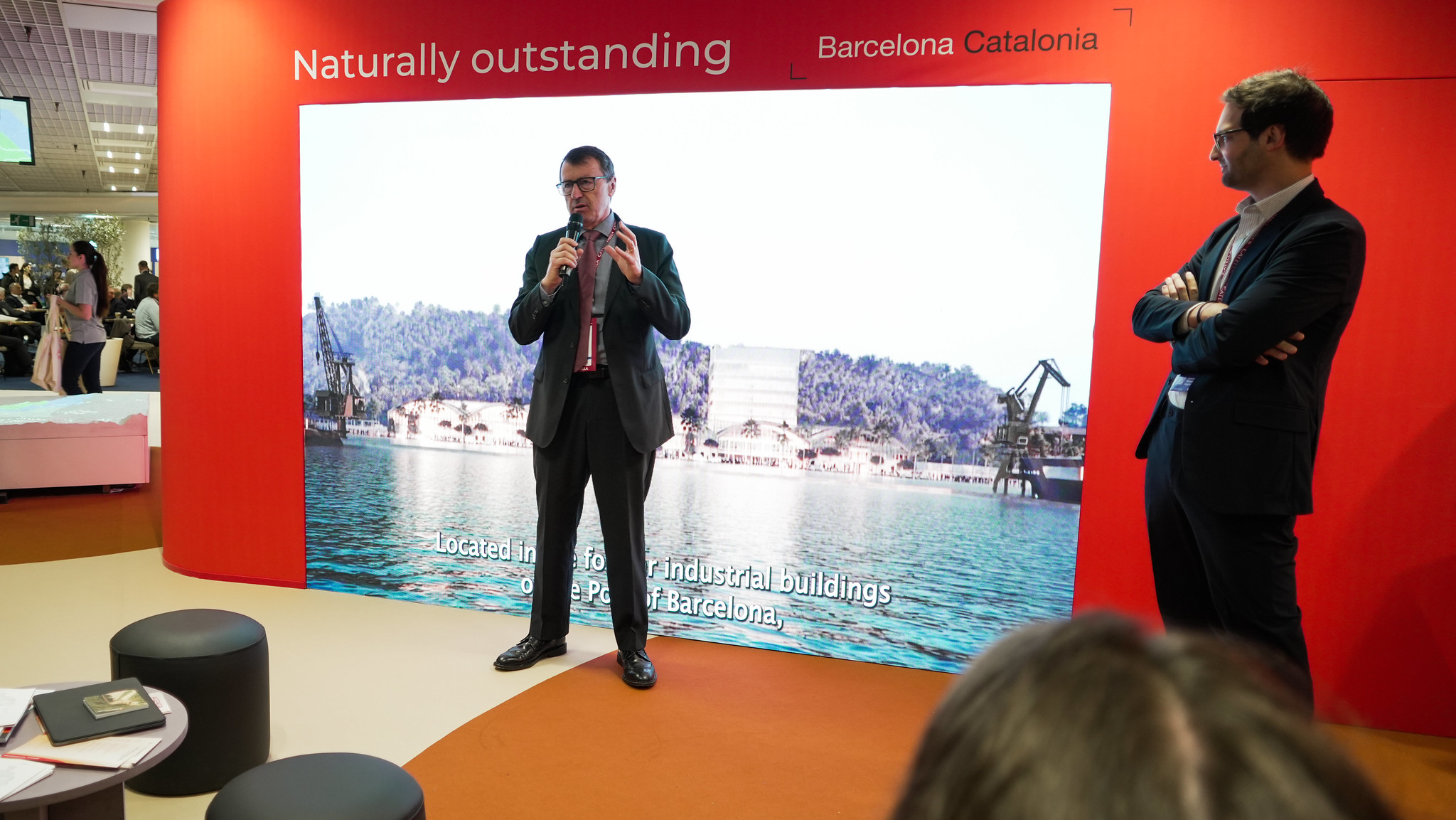
BlueTechPort: reinforcing Barcelona’s maritime innovation ecosystem
The programme opened with a conversation on BlueTechPort, the new innovation hub currently under construction at the Port of Barcelona. The project will transform the historic Sant Bertran warehouses into a 25,000 sqm campus dedicated to the blue economy, capable of accommodating around 2,500 professionals once completed.
For Carles Anglada, CEO of World Trade Center Barcelona, the initiative should be understood less as a conventional office development and more as a strategic economic cluster. The goal is to strengthen Barcelona’s maritime innovation ecosystem by bringing together scale-ups, corporates, research institutions and energy transition companies linked to the blue economy.
The location within the operational port environment is central to that vision. Proximity to maritime infrastructure provides companies with direct access to logistics activity, testing environments and industrial capabilities that inland innovation districts cannot replicate. In this sense, BlueTechPort is designed not simply as workspace but as a platform for companies operating at the intersection of technology, maritime activity and environmental transition.
From an architectural perspective, the project also illustrates how Barcelona continues to reinterpret its industrial heritage through contemporary design. Luis Bellera, Partner at B720 Arquitectos explained how the redevelopment preserves the distinctive structure of the port warehouses while introducing a new floating volume above the existing roofline, creating a visible landmark on the waterfront.
Inside, the building will be organised through a sequence of flexible workspaces and interior plazas connected horizontally across the structure, maximising natural light and ventilation while allowing the building to accommodate both office-based activities and more technical research functions.
Sustainability considerations are also deeply embedded in the project’s design. Through energy-efficient systems, solar generation and water management strategies, the building is expected to consume around 40% less energy than traditional office buildings while generating approximately 60% of its own energy needs. Extensive use of wood and sustainable materials further reinforces the ambition to position the project as a new model for the rehabilitation of industrial assets.
Beyond the physical building itself, BlueTechPort signals Barcelona’s broader ambition to consolidate its position as a Mediterranean hub for maritime innovation and blue economy industries.
Offices in transition: where the asset class still works
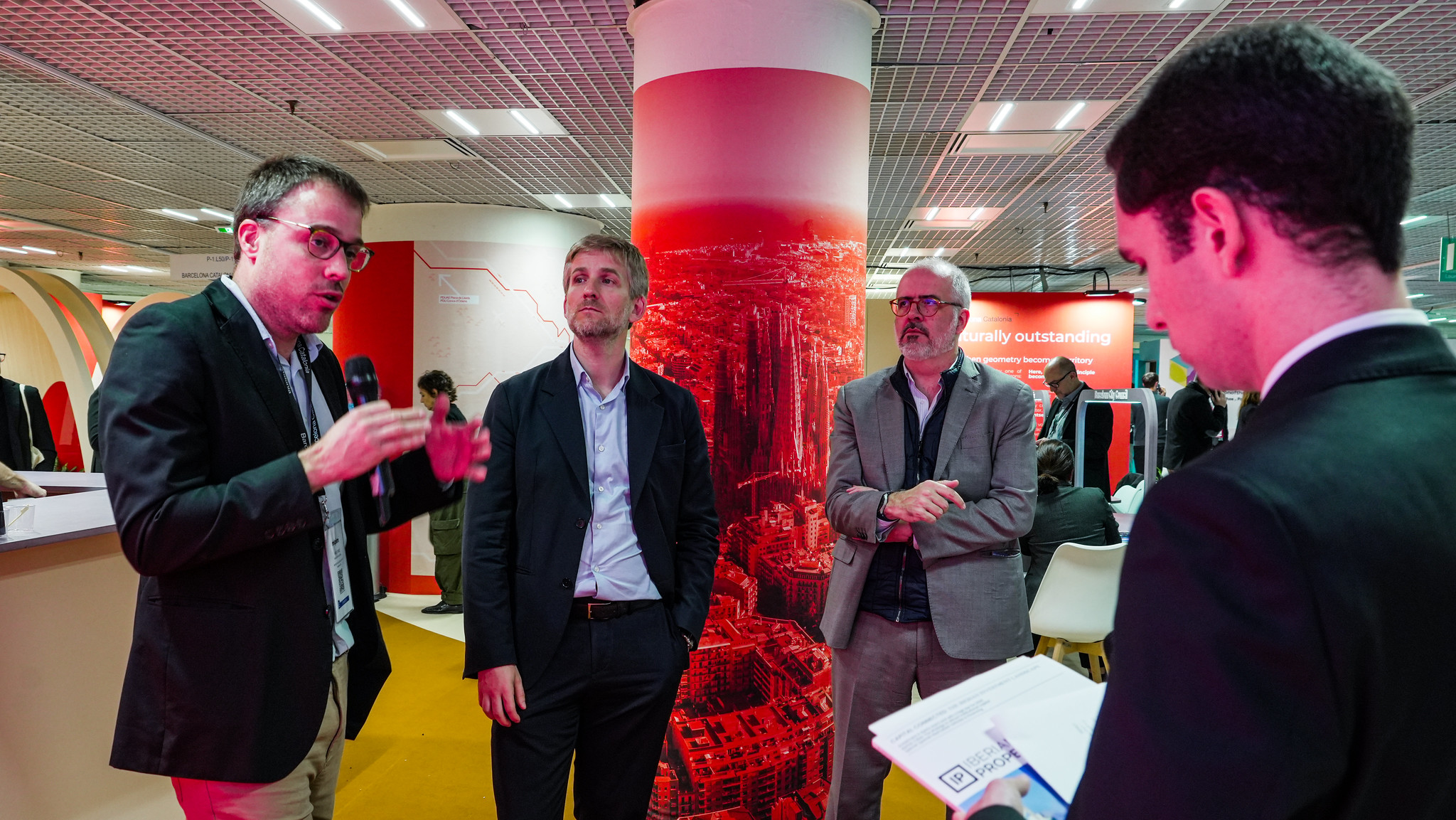
The discussion then moved from the waterfront to the evolution of the office market, examining how Barcelona’s workplace districts are adapting to a European environment characterised by repricing, repositioning and selective recapitalisation.
Marc Unió Puig, Head of International Promotion at Barcelona City Council, reflected on the transformation of 22@, widely considered one of Europe’s most ambitious urban regeneration projects. Originally conceived as a former industrial district converted into a technology and innovation hub, the area has attracted major corporate occupiers and helped position Barcelona as a leading Southern European tech ecosystem.
However, Unió emphasised that the city’s office geography extends well beyond 22@. Emerging nodes such as La Marina del Prat Vermell and the La Sagrera redevelopment area illustrate how Barcelona continues to diversify its employment centres, distributing economic activity across multiple districts rather than concentrating it in a single cluster.
From an investment perspective, the panel revealed diverging strategies within the current market cycle. Victor Iborra, Partner at Meridia Capital, acknowledged that while the firm has historically invested in the office sector, it is currently prioritising other asset classes. In his view, rental growth expectations remain relatively subdued and exit strategies may be more complex in the short term.
By contrast, Nuno Nunes, CIO of Square Asset Management, argued that the current environment may present opportunities for investors with a longer time horizon. As a fund that often targets pricing dislocations, Square AM sees potential in assets where the repricing process has created entry points that were previously unavailable. In this context, tenant covenant strength and building quality become decisive factors. Investors are increasingly selective, favouring assets with resilient occupiers and strong fundamentals rather than relying on broader market growth.
Another issue raised during the discussion was the connection between office demand and housing availability. Participants acknowledged that Barcelona’s ability to attract companies and talent could ultimately be constrained if residential supply fails to keep pace with economic expansion – a theme that would become central in the sessions that followed.
Housing as enabling infrastructure for Barcelona’s growth
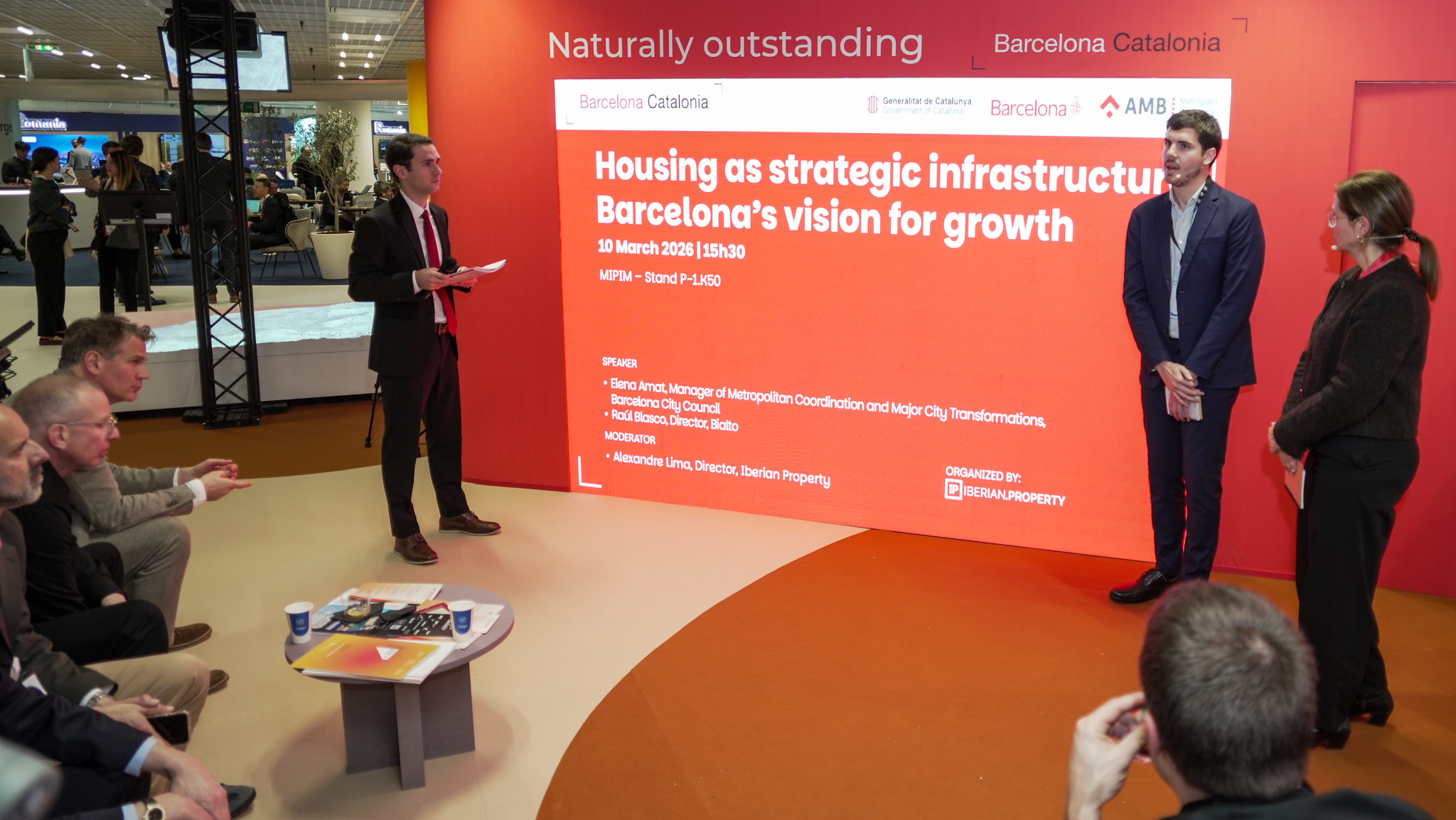
The afternoon sessions shifted the focus towards housing, framing the residential sector not only as a social challenge but also as a critical piece of economic infrastructure.
Elena Amat, Manager of Metropolitan Coordination and Major City Transformations at Barcelona City Council, outlined the city’s strategic response through Pla Viure, a long-term housing framework aimed at increasing supply and improving affordability.
Access to housing has become one of the most pressing concerns for Barcelona residents, with recent municipal surveys placing it among the city’s top challenges. In response, Pla Viure seeks to expand the stock of subsidised housing, mobilise public land for development and strengthen collaboration with both private developers and non-profit organisations.
The plan targets the delivery of approximately 1,000 new subsidised homes per year, while broader regeneration initiatives aim to improve the quality and sustainability of existing housing stock. The city is also exploring mechanisms to activate vacant plots and accelerate development through new institutional structures designed to streamline procedures and coordinate land mobilisation.
Public land plays a particularly important role in Barcelona’s housing strategy. In recent years, a significant proportion of new social housing projects have been built on municipal plots, reinforcing the city council’s capacity to influence development pipelines.
Initiatives such as HabitarB!, a partnership between the city council and INCASÒL, further illustrate how public-private cooperation is expected to expand housing delivery. Through this framework, municipal land is transferred for the development of subsidised housing projects while private developers contribute construction expertise and capital.
From the perspective of international investors, however, the regulatory framework remains a key factor in evaluating opportunities. Raúl Blasco, Director at Bialto, confirmed that Barcelona’s demographic and economic fundamentals remain attractive. The company manages around 4,000 rental housing units across Spain, with roughly 10% located in Catalonia, demonstrating continued exposure to the region.
Nevertheless, he acknowledged that regulatory clarity – particularly regarding rent indexation mechanisms – plays an important role in shaping investment decisions. While institutional investors are capable of combining affordability objectives with long-term returns, they require visibility regarding development margins, financing structures and the overall regulatory environment.
The discussion ultimately highlighted a delicate balance: ensuring access to housing while maintaining conditions that allow capital to participate in large-scale residential delivery.
Roca City: corporate commitment shaping metropolitan growth
Beyond Barcelona’s urban core, the metropolitan area is also undergoing significant transformation. This dynamic was explored through the presentation of the Roca City project, a large-scale redevelopment of the former Roca factory site between Viladecans and Gavà.
The project represents a distinctive model of corporate-anchored urban regeneration. The relocation of the Roca Group’s global headquarters to the site will serve as the economic cornerstone of the new district, combining employment activity, innovation spaces and residential development.
According to Richard Calle, First Deputy Mayor of Viladecans, the company’s presence provides a powerful signal for investors. Around 85% of the land involved in the project belongs to the Roca Group, a multinational company with annual revenues exceeding €2 billion, significantly reducing uncertainty around the long-term viability of the development.
The project will ultimately deliver 2,700 homes, of which 40% will include some form of protected housing, alongside innovation centres, co-working environments and office spaces linked to the broader Roca ecosystem. The development will also integrate an eight-hectare urban park, contributing to the environmental regeneration of the former industrial site.
For Jordi Tort, Deputy Mayor of Gavà, the key challenge lies in ensuring balanced growth between residential and economic components. The housing programme is therefore being phased alongside the development of employment spaces, avoiding the risk of creating a purely residential enclave disconnected from economic activity.
Cross-municipal coordination has also been essential to the project’s progress. Viladecans and Gavà have worked to align their planning frameworks and infrastructure strategies in order to simplify administrative processes and provide greater certainty for investors.
Beyond its immediate scale, Roca City illustrates how metropolitan municipalities are increasingly positioning themselves as strategic partners in Catalonia’s broader development agenda.
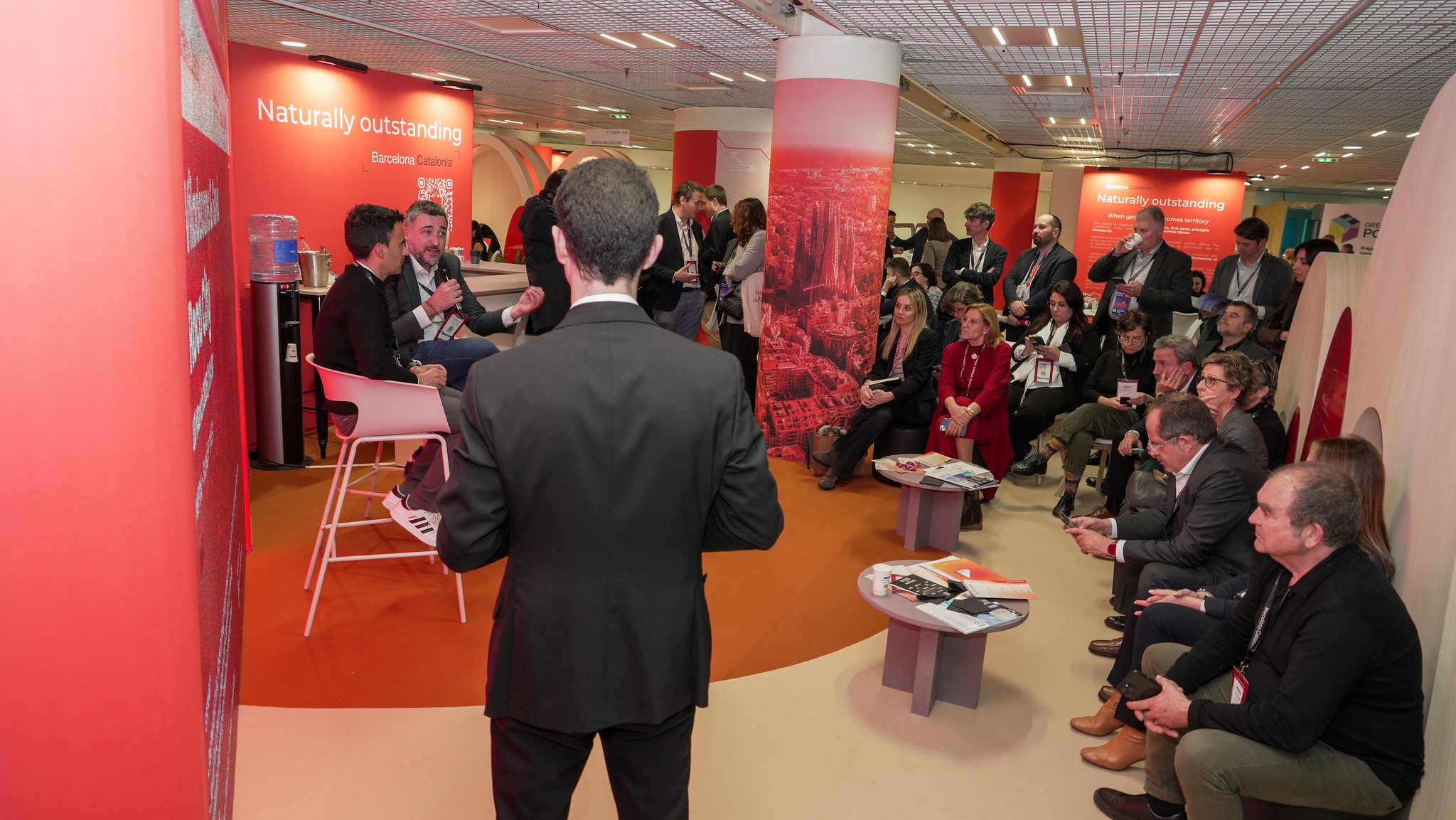
Scaling new living models across Catalonia
The final session of the day expanded the housing discussion to the regional scale, examining how Catalonia is integrating living models into its residential strategy.
Pere Picorelli, Director of Housing and Building at INCASÒL, explained that multiple formats are becoming increasingly relevant as the region seeks to attract different types of citizens such as international students, researchers and mobile professionals. These segments once viewed as niche markets, are now also an important part for Catalonia’s economic competitiveness.
To address the region’s housing shortage, the Catalan government is developing a framework that combines land mobilisation, financial incentives and partnerships with private developers and institutional investors. Support mechanisms include subsidies, rent stabilisation measures and access to fixed-rate financing lines designed to improve project viability and stabilise investor cash flows.
INCASÒL occupies a unique position within this ecosystem. As the government’s land and housing agency, it simultaneously manages public land, develops projects and retains ownership of certain assets. This multi-faceted role allows the organisation to share many of the same challenges faced by private developers, from construction costs to financing conditions. Reflecting the scale of the commitment, Picorelli confirmed that INCASÒL has committed around €2 billion in housing investment over the coming years.
From the private sector perspective, Manel Rodríguez, CEO of SALAS Group and Director of ALAS Affordable Housing, emphasised the need for greater market consolidation. Spain’s residential sector remains highly fragmented, with large numbers of individual property owners rather than institutional operators.
Rodríguez argued that the future of affordable housing in Catalonia depends on the emergence of larger investment platforms capable of holding assets over the long term. While development-focused investment tends to involve shorter cycles and quicker asset rotation, what the market increasingly requires is patrimonial capital willing to maintain stable portfolios.
Through ALAS Affordable Housing, he noted, projects can still achieve return of around 7%, demonstrating that affordability and financial viability can coexist when developments reach sufficient scale.
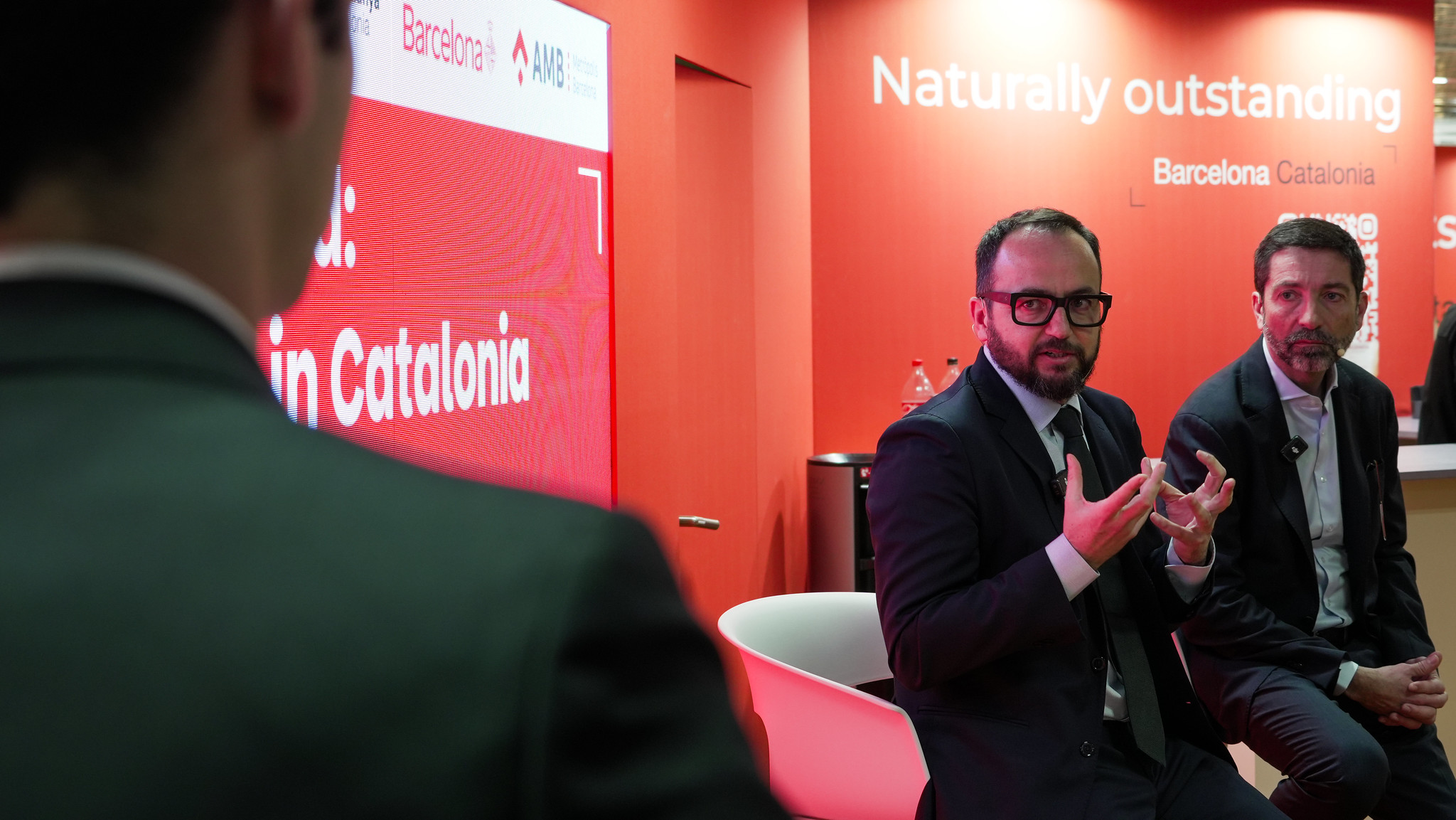
Both speakers ultimately converged on a common conclusion: the challenge facing Catalonia is not simply regulatory or financial, but one of volume. Addressing the housing shortage will require significantly higher levels of delivery, supported by coordinated action between public institutions, developers and long-term investors.
Looking ahead to Day 2
The Investor Talks powered by Iberian Property continue tomorrow at the Barcelona Catalonia Pavilion with another full programme of discussions.
Sessions will explore the investment potential of healthcare and alternative assets, the transformation of the Tres Xemeneies site in Sant Adrià de Besòs into a major audiovisual hub, the evolving role of retail as place-making infrastructure and the growing importance of technology and life sciences within Catalonia’s economic ecosystem.
The day will conclude with the official Barcelona Catalonia Conference, “The New Biomedical Hub: Redefining Life Sciences in Barcelona Catalonia”, taking place at the Verrière Californie auditorium at 16h00.