


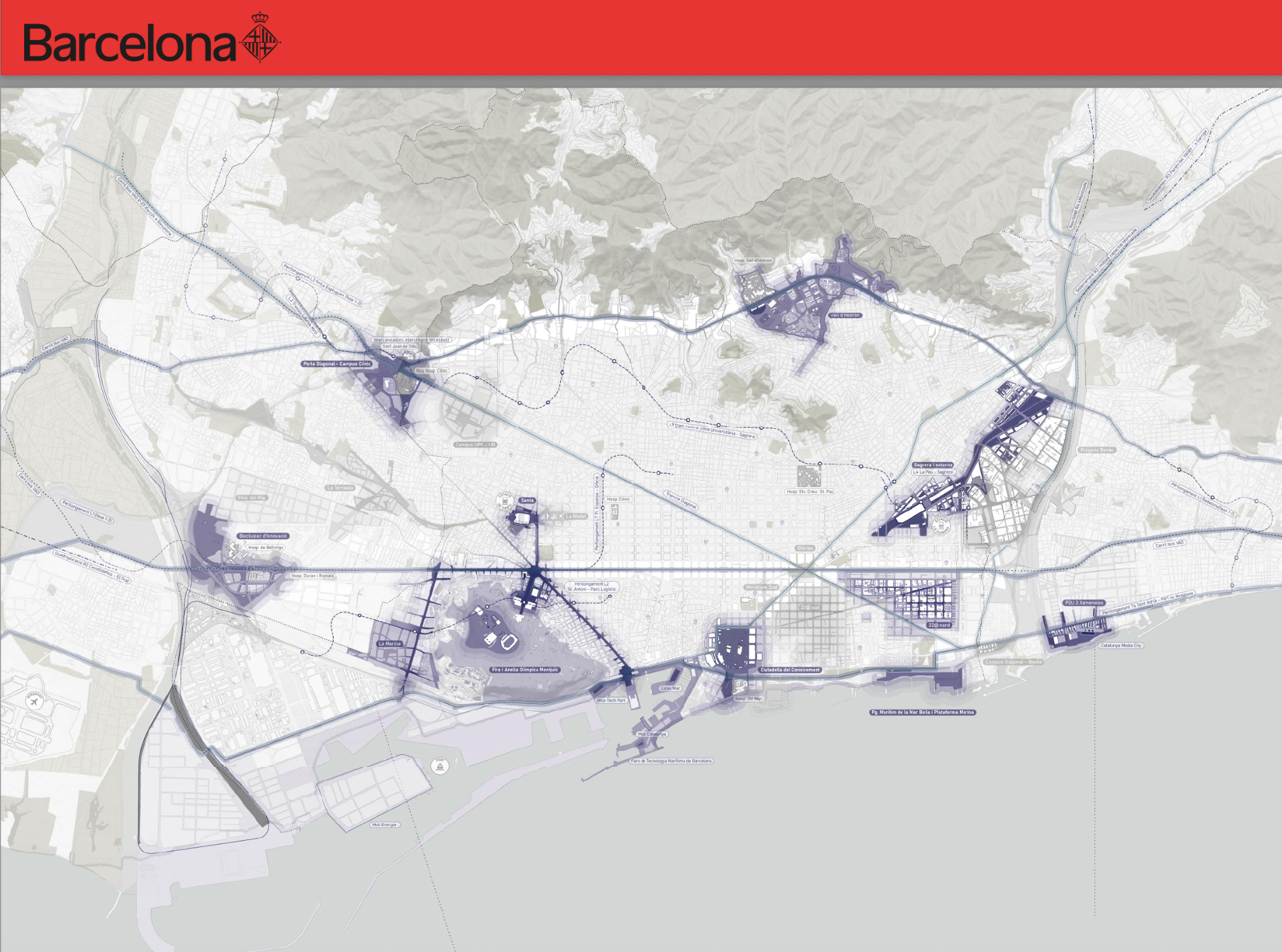
Barcelona is entering a new phase of urban development in which some of the most significant opportunities are emerging beyond its traditional core. Around the city’s perimeter, a series of large-scale transformation areas is bringing together housing, employment, public space, mobility, research and new economic activity, progressively reshaping Barcelona’s metropolitan dimension.
This was the central message from Elena Amat, Manager of Metropolitan Coordination & Major City Transformations at Barcelona City Council, during an Investor Talk conducted by Iberian Property at the Barcelona Catalonia stand (A2.330) at Expo Real. Looking towards 2035, the City Council estimates that more than €10 billion will be invested in strategic projects across the city.
The scale of this transformation is important for investors because, as Amat stressed, these are not isolated developments or individual flagship assets. They are broader urban interventions, largely located around the city’s perimeter, that seek to address several layers of urban life simultaneously: where housing is created, where new and higher-quality jobs emerge, how public space is structured, how mobility is improved and how neighbourhoods can develop stronger identities.
The strategy encompasses a series of major transformation areas, each contributing a different layer to Barcelona’s future urban and economic model. La Marina del Prat Vermell and La Sagrera are helping unlock substantial new housing and urban capacity; Montjuïc and the waterfront area are reinforcing culture, leisure, public space and Barcelona’s relationship with the sea; while Ciutadella del Coneixement, Porta Diagonal-Campus Clínic and the L’Hospitalet Biocluster strengthen the city’s position in research, health and life sciences. Tres Xemeneies is emerging as a new creative and audiovisual hub, while 22@Nord extends Barcelona’s innovation economy and introduces further housing into the district.
The ambition comes at a particularly relevant moment for the city’s international positioning. Barcelona is the UNESCO-UIA World Capital of Architecture for 2026, a designation that places architecture, urban planning and the transformation of the built environment at the centre of an international conversation.
For Amat, this metropolitan dimension is increasingly essential. These projects involve multiple administrations and complex planning processes, while requiring substantial public and private investment to move from vision to delivery. The public sector remains an important driver, creating the conditions and infrastructure through which private investment can participate in the transformation.
The rationale also extends beyond real estate. Barcelona is seeking to reinforce its position in health, research and innovation, using specialised districts and major institutional projects to build economic ecosystems capable of attracting international companies, talent and capital. The objective is therefore not simply to create new development capacity, but to strengthen the city’s long-term economic positioning.
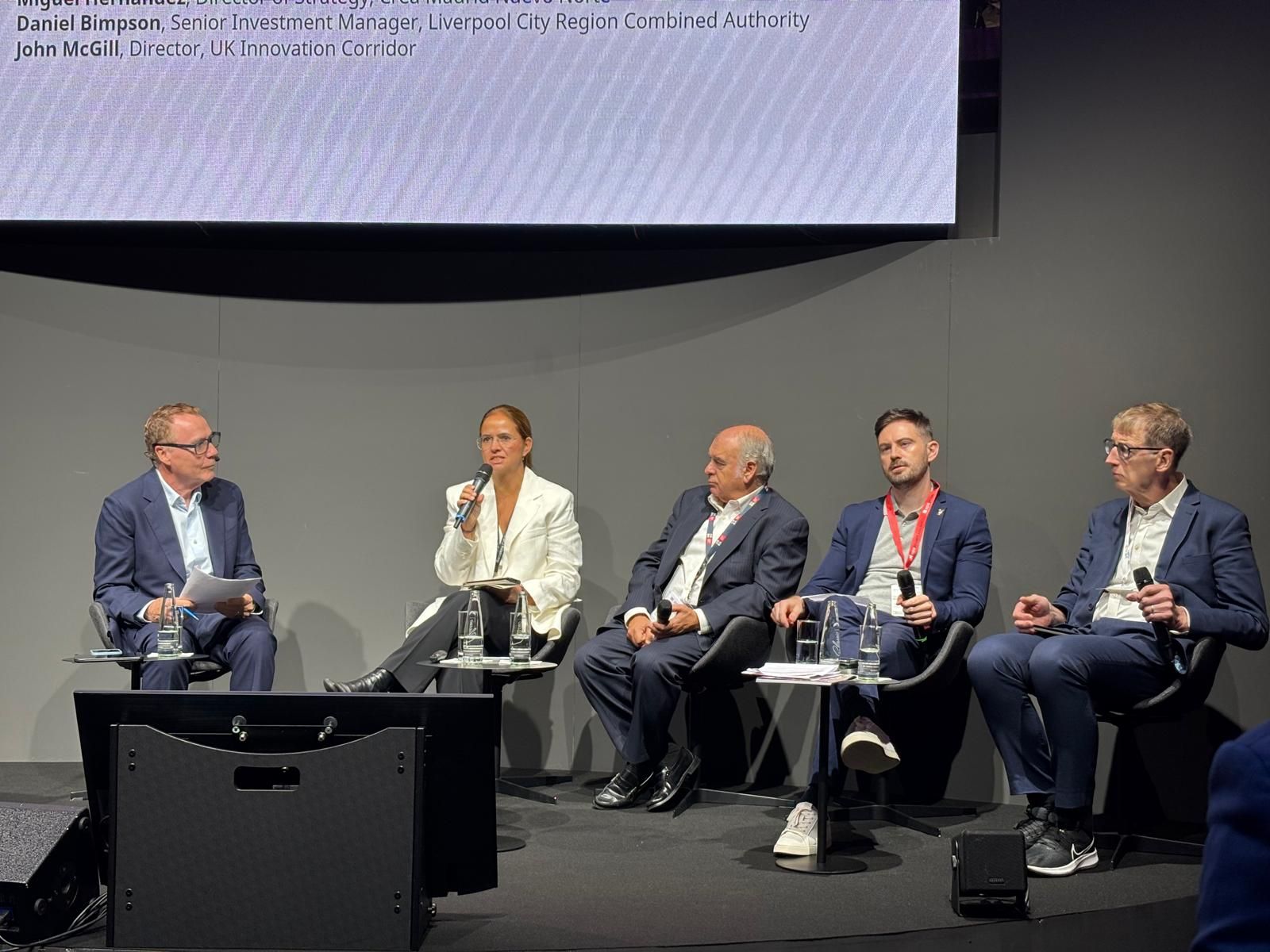
This same perspective was brought by Amat to the “Metropolitan Centres & Polycentric Cities” debate as part of the official conference program at Expo Real, alongside representatives from Madrid Nuevo Norte, the UK Innovation Corridor and Liverpool City Region. The discussion focused on how cities are becoming increasingly polycentric and how investment and development strategies need to adapt accordingly.
Amat’s message was consistent across both forums: Barcelona’s future cannot be understood solely through the density and performance of its established centre. Specialised districts and interconnected metropolitan centres can capture international investment while creating new places to live, work and innovate.
This also changes the way individual real estate opportunities should be assessed. Rather than looking at assets in isolation, the emerging model requires investors to understand the wider urban ecosystem around them: the housing offer, employment base, connectivity, public realm, institutional anchors and the relationship between different uses.
In this sense, Barcelona’s 2035 strategy is less about expanding the city than about rebalancing and connecting it. The ambition is for a city that is more liveable, prosperous, cohesive and better connected, while extending its economic reach across the metropolitan territory.
For investors looking at Barcelona over the next decade, the implication is clear: some of the city’s most consequential opportunities may not sit within its traditional core, but in the transformation corridors and emerging metropolitan centres that are now being built around it.

